






Definition and Purpose of Single-Family Dwelling Zoning Permit
The Single-Family Dwelling Zoning Permit Application is a critical document in the U.S. for those looking to construct or modify a single-family home. This permit ensures that residential structures comply with local zoning laws and building codes. The application collects detailed information about the proposed structural changes or new constructions to ensure they align with zoning regulations, which are designed to maintain community standards and safety.
Application Process and Approval Time
The process of applying for this permit involves several steps, starting with the preparation of necessary documents and plans. Applicants need to submit a comprehensive site plan and detailed architectural designs. Once submitted, the zoning board reviews the application to ensure it meets all relevant zoning codes. The approval time varies significantly depending on the complexity of the project and the locality, with some permits taking days while others may require weeks.
Steps to Complete the Single-Family Dwelling Zoning Permit Application
-
Gathering Documentation: Before starting the application, collect all required documents, such as site plans and building blueprints.
-
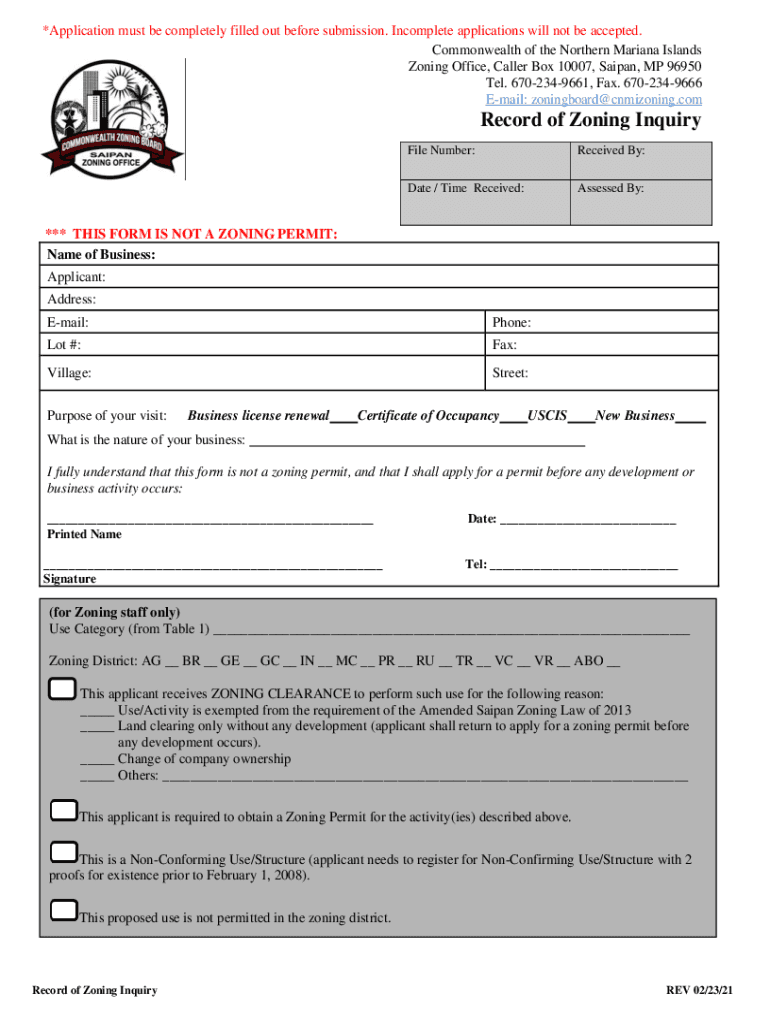
Filling Out the Application Form: Complete the form with accurate and detailed information about the property and proposed construction.
-
Submission: Submit the form and accompanying documents to the local zoning office. Some jurisdictions may offer online submission options.
-
Review Process: The zoning office will review the submission, which may include site visits and public hearings.
-
Approval and Compliance Checks: Once approved, ensure compliance with any conditions laid out by the zoning authority.
Required Documents
Applicants must provide several essential documents, including:
- Site plan illustrating the property layout and construction specifics.
- Architectural drawings depicting the design and specifications of the proposed structure.
- Environmental impact assessments if applicable.
- Proof of property ownership.
State-Specific Rules and Variations
Zoning laws vary significantly across states. For example, California has stringent regulations about environmental impact, while Texas may focus more on construction standards. It is crucial for applicants to understand the specific requirements in their state to avoid delays or rejections.
Legal Implications and Compliance
The zoning permit assures that the construction adheres to legal and safety standards. Non-compliance can lead to penalties such as fines or orders to halt construction. Continued violations might even result in legal action, emphasizing the importance of securing the permit.
Who Typically Uses the Application
Homeowners planning to build or renovate single-family homes are the primary users of this permit application. Architects and contractors who handle residential projects are also frequent users, often managing the application process on behalf of property owners.


Why the Permit Application is Necessary
Securing a zoning permit is necessary to ensure that residential developments uphold the community’s structural and aesthetic standards. This permits community planners and zoning officials to monitor urban development, helping cities manage growth sustainably.
How to Obtain the Single-Family Dwelling Zoning Permit Application
To obtain the application, visit the website or the physical office of your local zoning authority. Many offices provide downloadable forms on their websites, allowing for easy access and preparation before submission.
Important Terms Related to the Application
- Zoning Ordinance: Local laws that define how properties in specific geographic zones can be used.
- Building Codes: Standards set for constructed objects like buildings to ensure safety and health.
- Variance: An exception to a zoning ordinance, typically granted under specific circumstances.
Examples and Scenarios of Application Use
Consider a scenario where a homeowner in Florida wants to add an extension to their home. They must submit a permit application that includes updated site plans showing the extension in detail. In another case, a new home builder in New York may need to ensure their construction plans comply with local architectural guidelines before proceeding.
Both instances highlight the permit’s role in regulating and guiding residential development.