






Definition and Purpose of the Position Description
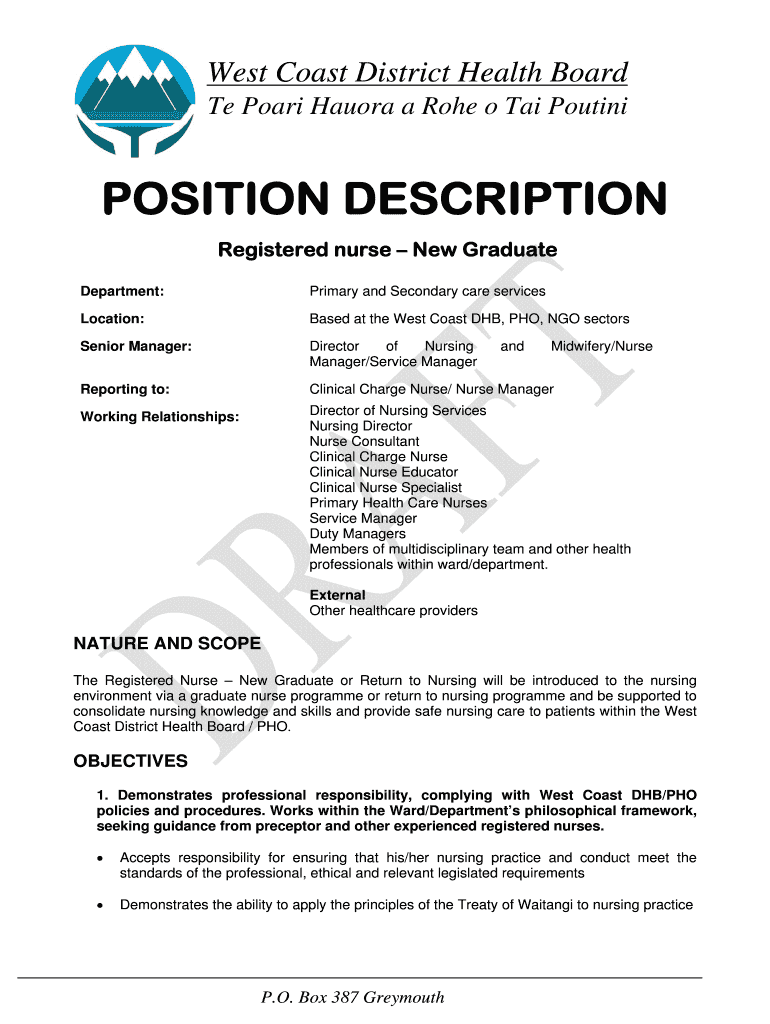
A "Position Description" is a detailed document outlining the responsibilities, qualifications, and expectations of a particular job role within an organization. In this context, it serves as an essential tool in the recruitment, evaluation, and management of employees. The document defines the role's key tasks and objectives and establishes clear criteria for performance evaluation. Position descriptions are used across various sectors, including healthcare, education, and corporate industries, allowing organizations to communicate job expectations effectively to potential candidates or existing employees. They also set the foundation for professional accountability and guide performance evaluations.
- Role Clarity: Position descriptions offer clarity regarding what is expected from an individual in a specific role. This includes daily responsibilities, long-term objectives, and specific duties.
- Evaluation Criteria: They help in setting performance benchmarks against which an employee’s work is assessed.
How to Use the Position Description
Position descriptions are utilized by both employers and employees as a reference point for job responsibilities and performance expectations. Here's how both parties can make the most out of a position description:
- For Employers: Use the document during the hiring process to ensure that candidates understand the role for which they are applying. It also acts as a tool to manage expectations and provide a baseline for reviewing employee performance.
- For Employees: Review the position description carefully to understand job duties and expectations. It serves as a guide for career development, helping employees identify areas for improvement or professional growth.
Practical Usage Scenarios
- Recruitment and Hiring: Employers can reference the position description during candidate interviews to define what the role entails clearly.
- Performance Reviews: Managers use the document to assess employee performance during evaluations, comparing actual work against outlined responsibilities.
Steps to Obtain the Position Description
Obtaining a position description typically involves accessing internal HR systems or directly contacting the Human Resources department in your organization.
- Internal Systems: If your organization uses an electronic HR information system, the position description may be available for download or review within your employee portal.
- Contact HR: If the position description is not readily available online, request a copy directly from your organization’s HR department.
- Employee Manual: Some organizations include position descriptions in their employee manuals or handbooks.
Key Elements of the Position Description
A comprehensive position description includes several critical components that collectively define a job role. Here are the essential elements typically found:
- Job Title: Clearly states the position being described.
- Summary of Role: Provides a brief overview of the job’s primary responsibilities and objectives.
- Responsibilities: Lists the specific duties and tasks associated with the position. This section often forms the bulk of the document.
- Qualifications: Outlines the necessary skills, experience, and educational background required for the role.
- Working Relationships: Describes the team structure, including reporting lines and key colleagues the position will frequently interact with.
- Performance Criteria: Specifies how success in the position will be measured.
Examples and Scenarios
- Healthcare: In a healthcare setting, a registered nurse's position description might list duties such as patient care coordination, collaboration with medical staff, and adherence to medical protocols.
- Corporate: A marketing manager's description might include developing marketing strategies, managing a team, and reporting on campaign performance.
Important Terms Related to Position Description
Understanding the terminology associated with position descriptions is crucial for interpreting and utilizing these documents effectively.
- Job Specification: Often used interchangeably with position descriptions, job specifications focus more on the qualifications needed for a role.
- Competency Levels: This refers to the specific skills or proficiency levels required to perform the job duties effectively.
- Accountabilities: These are the specific outcomes that an employee is responsible for achieving in their role.
Clarification and Context
- Distinction between Role and Job: A 'job' is a set of tasks, while a 'role' conceptualizes those tasks into a position within the organizational structure.
Legal Use and Compliance of the Position Description
Position descriptions play a critical role in ensuring both legal compliance and fair employment practices. They are often used as a reference in legal contexts, especially concerning employment disputes or labor law compliance.
- Anti-Discrimination: Well-defined position descriptions help organizations avoid discrimination claims by providing objective criteria for employment actions such as hiring, promotion, and dismissal.
- Fair Labor Standards: They ensure positions are classified correctly under fair labor standards to determine overtime eligibility and other legally mandated employee rights.
Examples
- Dispute Resolution: In the case of a legal dispute over job duties, the position description can serve as evidence of agreed-upon role expectations.
- Hiring Practices: They support equitable hiring practices by standardizing the criteria against which all applicants are measured.
Who Typically Uses the Position Description
Position descriptions are widely used across various organizational levels. Here’s who typically engages with these documents:
- Human Resources Professionals: HR personnel use position descriptions to craft job advertisements, screen applicants, and structure employee evaluations.
- Managers and Supervisors: They rely on these documents to guide team management and performance reviews.
- Employees: Team members use position descriptions to understand their roles, set personal goals, and evaluate their professional growth.


Examples of Utilization
- Onboarding New Hires: New employees use the position description as an orientation tool to quickly grasp the responsibilities and expectations of their new role.
- Career Development Discussions: Employees and managers reference position descriptions during discussions about career advancement and opportunities within the organization.
Creating Accurate and Effective Position Descriptions
Fetching the most out of any position description requires accuracy and relevancy in document content. Developing these descriptions requires careful attention to detail and a collaborative approach:
- Analysis of Role Requirements: Conduct thorough job analysis to identify the essential tasks and requisite skills.
- Consultation with Stakeholders: Engage with current employees and managers to gather insights on the role.
- Regular Updates: Ensure the descriptions are reviewed regularly and updated with changes in job roles, duties, or organizational policies.
Best Practices
- Inclusivity: Use clear, inclusive language that reflects the diversity of skills and perspectives expected within the role.
- Conciseness: While comprehensive, the document should be concise enough to be easily understood by all stakeholders involved.