






Definition and Meaning of Midazolam 1 mg mL and 5 mg mL Injection
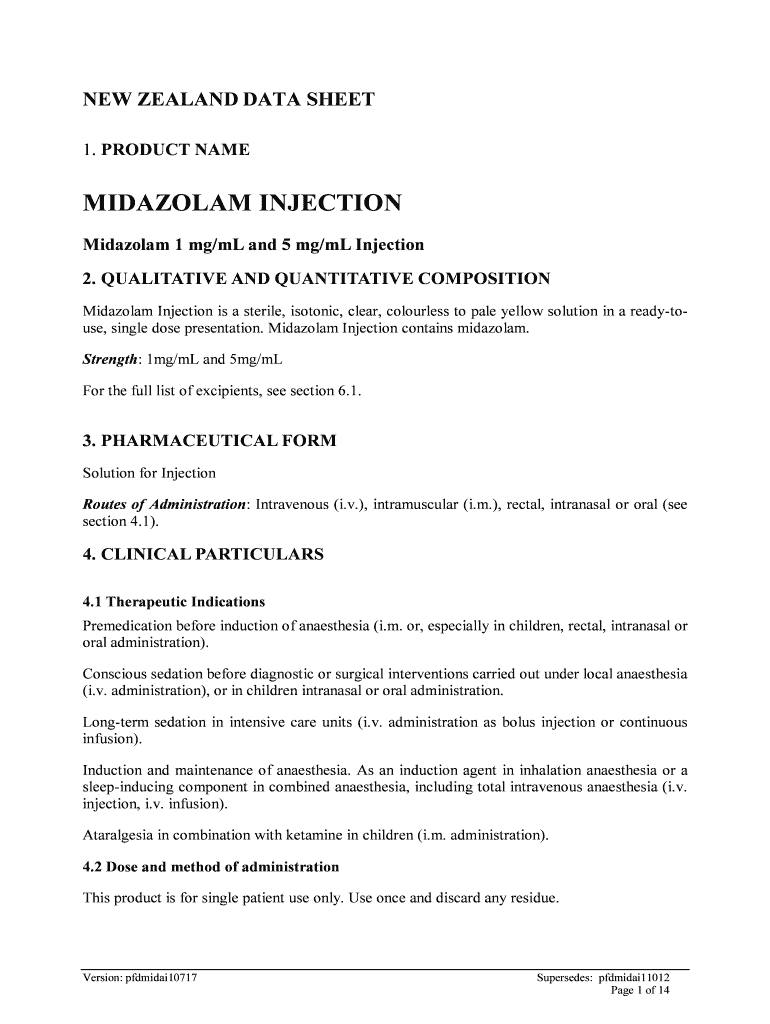
Midazolam is a medication primarily used for its sedative and anxiolytic properties. It belongs to the benzodiazepine class of drugs that act on the central nervous system, enhancing the effect of a neurotransmitter called gamma-aminobutyric acid (GABA). This medication is commonly used for the induction of anesthesia, conscious sedation, and for treating acute seizures. It is available in two concentrations: 1 mg/mL and 5 mg/mL, which allows for flexibility in dosing to suit individual patient needs.
Composition and Pharmaceutical Form
Midazolam injections come in two concentrations suitable for different clinical requirements. The higher concentration, 5 mg/mL, is typically utilized in surgical and ICU settings where rapid onset of sedation is necessary. In contrast, the 1 mg/mL concentration may be chosen for gradual sedation or in patients who require smaller doses due to age or weight considerations.
How to Use the Midazolam Injection
The administration of Midazolam must be handled by healthcare professionals due to its potency and risk of adverse effects. Dosage is individualized based on factors such as age, weight, renal function, and the procedure being performed.
Dosage Instructions
- Adults: Typically receive between 1 to 2.5 mg IV over 2–3 minutes; doses can be repeated every 2–5 minutes as needed.
- Pediatric Use: Requires careful dosing, often starting at 0.05–0.1 mg/kg IV; close monitoring after administration is crucial.
- Elderly or Debilitated Patients: Lower doses and slower titration are recommended due to increased sensitivity to benzodiazepines.
Important Terms Related to Midazolam Injection
Understanding key terminology surrounding Midazolam can help in effective communication and comprehension when dealing with healthcare providers.
- Induction Agent: A drug used to initiate anesthesia.
- Conscious Sedation: A medically controlled state of sedation where the patient remains awake but relaxed.
- Anxiolytic: A medication that reduces anxiety.
- Titrate: Adjusting the dose of a medication to achieve the desired effect.
Legal Use of the Midazolam Injection
Midazolam is classified as a Schedule IV controlled substance in the United States, reflecting its potential for abuse and dependency despite recognized medical use.
Regulations
- Controlled Substance: Prescribers must comply with federal laws governing prescription and handling of Midazolam, including documentation and secure storage.
- License Requirements: Only licensed medical professionals can administer Midazolam and must document its use accurately in patient records.
Steps to Complete Midazolam Injection Administration
The administration of Midazolam involves several critical steps to ensure patient safety and drug efficacy.
Preparation and Administration
- Assessment: Evaluate the patient's medical history, allergies, and current medications.
- Dosing Calculation: Determine the appropriate dose based on patient-specific factors.
- Administration Route: Prepare for intravenous or intramuscular injection as per clinical indication.
- Monitoring: Observe vital signs continuously during and after administration for adverse reactions.
- Documentation: Accurately record the dosage, time, and patient response in medical records.
Who Typically Uses the Midazolam Injection
Midazolam is widely utilized across various medical specialties due to its efficacy in sedation and anxiolysis.


Common Users
- Anesthesiologists: For pre-operative sedation.
- Emergency Medicine Practitioners: To control acute agitation or seizures.
- Dentists and Oral Surgeons: To relax patients during minor procedures.
- Intensive Care Specialists: For sedation of patients on mechanical ventilation.

Examples of Using Midazolam Injection
In clinical practice, Midazolam is favored for its rapid onset and efficacy in managing severe or acute medical situations.
- Emergency Situations: Rapid administration during status epilepticus can stabilize the patient and prevent complications.
- Procedural Sedation: Administered to patients undergoing minor invasive procedures while maintaining consciousness.
- ICU Sedation: Used for sedation management in critically ill patients on long-term mechanical ventilation.
Key Elements of Midazolam Injection
Understanding the primary attributes of Midazolam aids in its effective and safe use in clinical settings.
- Onset and Duration: Midazolam acts quickly, with effects typically noticeable within minutes of IV administration. The duration of action is usually one to four hours.
- Side Effects: Common adverse effects include respiratory depression, drowsiness, and hypotension; hence monitoring is crucial.
- Reversal Agent: Flumazenil can be administered to reverse Midazolam's effects in cases of overdose or adverse reactions.