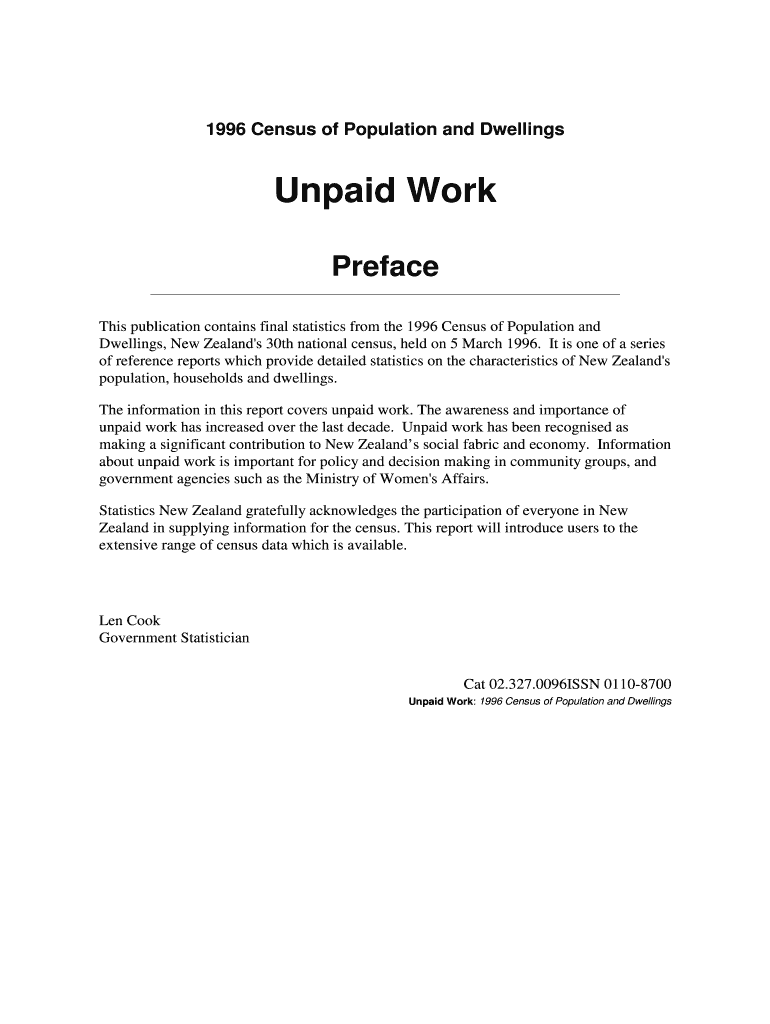







Definition and Role of Unpaid Work
Unpaid work is any labor or service performed without monetary compensation. This encompasses a wide array of activities, including household chores, caregiving, volunteer work, and community service. In economic terms, unpaid work is integral to maintaining the social infrastructure that supports both local and national economies. It contributes significantly by providing essential services that directly or indirectly support the paid workforce.
Unpaid work is often influenced by cultural and societal norms, particularly in terms of gender roles. For instance, women traditionally perform a higher percentage of unpaid labor, reflecting on broader discussions about gender equity and opportunities. In policy-making, recognizing the value of unpaid work can influence decisions around public services, work-life balance legislation, and gender equality initiatives.
How to Use the Unpaid Work Form
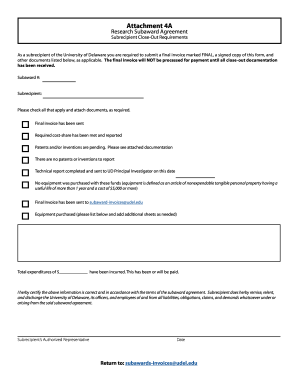
The unpaid work form is typically used for documenting the details of unpaid activities carried out within a specified timeframe. Its primary purpose is to account for unpaid contributions that might be considered for various assessments, such as social security credits or workforce participation statistics.
When using this form, individuals should carefully document the type of work performed, the duration, and the frequency. For accurate recording, it may be beneficial to maintain a detailed journal or log alongside. Attach any relevant supporting materials, such as verification letters from community leaders or organizations where volunteer work took place.
Key Elements of the Unpaid Work Form
Understanding the key sections of the unpaid work form is crucial for accuracy:
- Personal Information: This section includes basic identity details such as name, address, and contact number.
- Description of Work: Users must provide a detailed account of tasks performed, segmenting them into suitable categories – household, caregiving, community, or volunteer work.
- Time Commitment: Clearly state the hours per week or month dedicated to unpaid tasks.
- Supporting Evidence: Attach letters, logs, or any documents that substantiate the claims of unpaid work.
Each section is designed to ensure transparency and facilitate any institutional assessments or personal record-keeping.
Legal Considerations for Unpaid Work
While unpaid work itself is legal and often considered noble, there are specific legal considerations to be aware of, especially regarding labor rights and voluntarism. Legally, it is essential to distinguish between unpaid voluntary work and cases of unpaid internships, which, under specific circumstances, may require compensation under labor laws.
Furthermore, unpaid care work, such as eldercare or childcare within the family, might have implications for social security benefits or tax credits in various states. Therefore, those involved should remain informed about the related legal protections and benefits entitlements.
State-Specific Differences in Unpaid Work Recognition
In the United States, some states have specific statutes recognizing and valuing unpaid work more robustly than others. These differences can manifest in areas such as tax policies, social service credits, or labor laws related to volunteer work.
States like California and New York may offer specific credits or community service validations that recognize unpaid contributions in community programs or household-related caregiving. It’s important for residents to consult state-specific guidelines to fully understand their rights and benefits regarding unpaid work.
Required Documentation for Supporting Unpaid Work Claims
To ensure the effective recognition of unpaid work, it may be necessary to provide detailed documentation:
- Work Logs: Regularly updated logs that outline the type, duration, and frequency of unpaid activities.
- Verification Letters: Documents from organizations or community groups confirming participation.
- Photographic Evidence: In some cases, especially for community service, photos documenting activities may be useful.
- Testimonies: Written testimonies from beneficiaries or observers can support claims of significant unpaid contributions.
Accurate documentation helps in justifying claims for any associated benefits or recognition.
Who Typically Engages in Unpaid Work?
Unpaid work engagement often varies based on demographic factors:
- Gender Dynamics: Women frequently perform a larger share of unpaid work, particularly in caregiving and household responsibilities.
- Age Groups: Elderly individuals may contribute significantly through community service, while young adults often engage in unpaid internships.
- Cultural Influence: Cultural expectations can dictate who performs unpaid work, with certain ethnic groups placing a higher emphasis on familial caregiving.
These variations highlight the social and economic layers of unpaid work that policymaking often seeks to address.
Implications for Community Planning and Policy-Making
Acknowledging and integrating unpaid work into community planning and policy-making can have multifaceted benefits. It helps in devising welfare programs, adjusting work-life balance policies, and enhancing community engagement initiatives.
Policymakers can implement programs that provide recognition or compensation mechanisms for unpaid work, potentially through tax credits or community grants. Addressing unpaid work in policy frameworks encourages a more equitable distribution of labor and fosters societal appreciation for often-undervalued tasks.