






Definition & Meaning
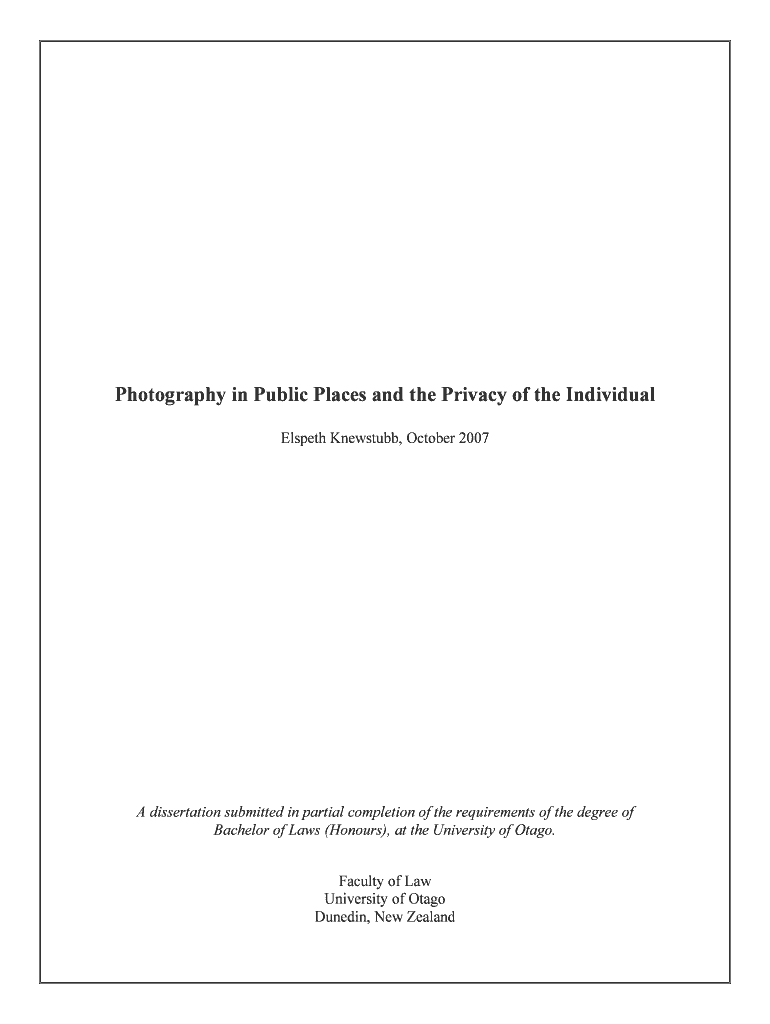
Photography in public places and the privacy of the individual refers to the balance between the right to capture images in publicly accessible areas and the privacy rights of persons appearing in those images. In the United States, public photography is generally permitted, meaning individuals can take photos in places where there is no reasonable expectation of privacy, such as streets, parks, or public events. However, tensions arise when captured subjects feel their privacy is invaded, leading to discussions around personal rights, consent, and potential legal implications. This concept is pivotal in understanding how privacy laws and freedoms intersect, impacting photographers, media entities, and individuals alike.
Legal Use of Photography in Public Places
While photography in public settings is largely legal in the U.S., certain guidelines and laws govern its practice to protect individuals' privacy rights. Photographers should note that while taking images in publicly accessible areas is allowed, using these images for commercial purposes might require obtaining consent or model releases, especially if the person is identifiable. Legal concerns also arise in sensitive scenarios, like photographing medical patients or capturing images near military installations. Understanding the nuances of federal and state laws is crucial, as these regulations can vary and affect how photographs can be legally used or published.
Important Legal Considerations
- Reasonable Expectation of Privacy: Individuals generally lack this expectation in public; thus, photography is permissible.
- Consent for Commercial Use: Required if images are used commercially, even if taken in public.
- State Laws: May vary regarding consent and privacy, emphasizing the importance of being informed about local regulations.
Key Elements of Photography in Public Places
Several elements are integral to understanding photography in public spaces, especially when reconciling it with privacy concerns.
Major Components
- Public Space Definition: Includes streets, open parks, and government buildings without entry restrictions.
- Expectations of Privacy: Clarifies when and where individuals can assume privacy, typically not in public spaces.
- Ethical Photography Practices: Encourages best practices such as obtaining consent when feasible and respecting personal boundaries, even if not legally required.
Steps to Complete the Photography Form
If there is a specific form related to photographing in public and addressing privacy concerns, completing it accurately is essential. Though hypothetical, the steps might involve:
- Read the Form Instructions: Carefully review the guidelines to understand requirements and any terms that might need clear definitions.
- Gather Necessary Information: This can include the purpose of photography, location, and potential use cases for the images.
- Complete Identifying Information: Ensure all sections requiring personal or business identification are filled out accurately.
- Outline Photography Intent: Clearly articulate the intent behind the photographs, especially in commercial scenarios or sensitive areas.
- Provide Contact Information: Ensure there is clear contact information for any questions or follow-up.
- Submit According to Guidelines: Follow the specified method, whether online or via mail, as indicated in the instructions.
State-Specific Rules
Each state in the U.S. can have unique rules affecting public photography, particularly around privacy laws and public appropriation rights.
Example Variances
- California: Has stringent privacy laws that might impact even public photography if subjects feel harassed.
- New York: While widely permissive, specific licensing may be required for commercial shoots, especially in public parks or streets.
- Florida: Enforces strict guidelines on where photography can occur, particularly around government buildings.
Who Typically Uses Photography in Public Places
This domain often involves various stakeholders, each with specific interests and motivations for their photography activities.
Common Users
- Amateur Photographers: Often capturing public life as a hobby or for portfolios.
- Professional Photographers and Media Personnel: Engaging in journalism, event documentation, and commercial projects.
- Content Creators: Bloggers and influencers looking to enhance their digital presence with public place photography.

State-by-State Differences
The U.S. comprises numerous jurisdictions, each with nuances impacting photography in public spaces.
Highlights of State Differences
- Permitting Requirements: Certain states may require permits for large-scale or disruptive photography projects in public spaces.
- Minors' Privacy Regulations: Some states enforce stricter controls on capturing images of minors, necessitating guardian consent.
Important Terms Related to Photography
Understanding specific terms can greatly aid in navigating the intricacies of public photography.
Key Terminology
- Public Domain: Refers to content that can be freely used by the public because it lacks proprietary constraints.
- Model Release: A legal release permitting the use of a photograph in which a person, identifiable to their likeness, is the subject.
- Image Rights: Legal rights to own and use images, often legally transferred via licenses.
These selections provide in-depth coverage relevant to the rights, laws, and practical considerations surrounding photography in public places, while focusing on privacy concerns and legal standards.