







Definition and Purpose of the Referee Form
The referee form serves a vital role in various applications, particularly in citizenship and legal contexts. It is a document that requires specific individuals, known as referees, to provide a reference or statement about an applicant's identity, character, and suitability for the application process. This form is often utilized in applications related to citizenship, such as the British citizenship referee form, where it helps establish an applicant's credibility.
Types of Referee Forms
- British Citizenship Referee Form: Used specifically for individuals applying for British citizenship.
- Naturalisation Referee Form: Designed for those seeking legal residency status.
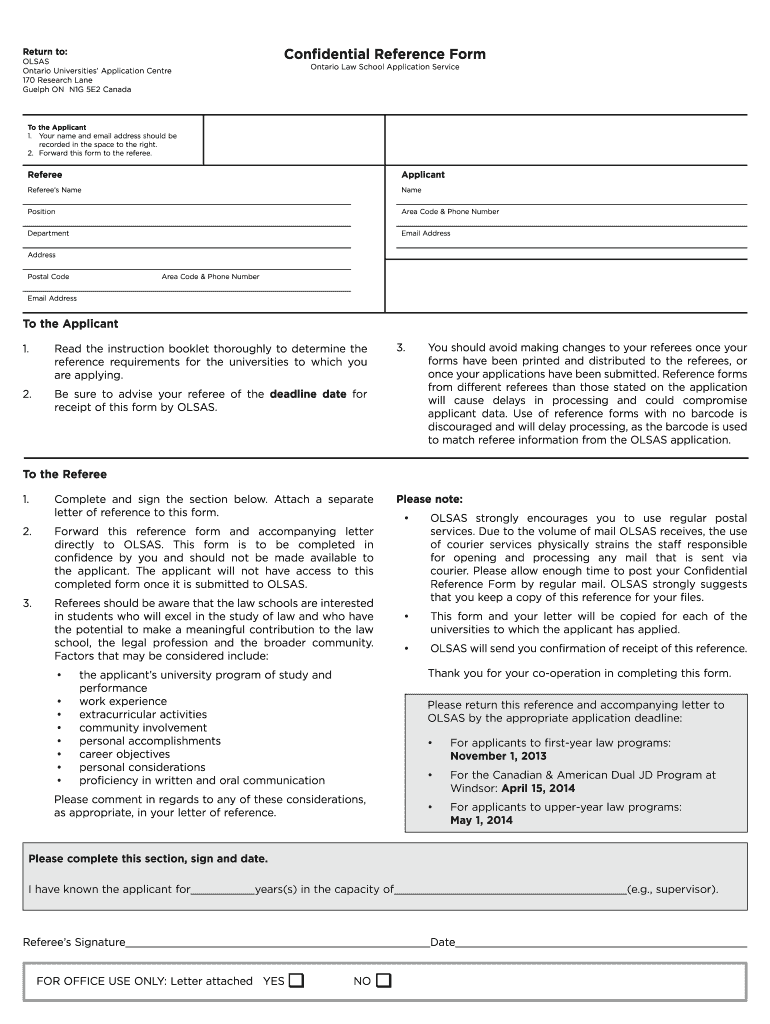
- Referee Declaration Form: Often required in academic applications, like law school, where the referees provide insights about the applicant's qualifications.
The integrity of the referee form is essential, as it not only supports the applicant's claims but also ensures that the information provided is accurate and trustworthy.
Steps to Complete the Referee Form
Filling out a referee form involves a structured process that can help ensure that all necessary information is accurately provided.
-
Understanding Who Can Be a Referee:
- Referees should typically be people who hold a recognized professional status, such as teachers, lawyers, or health professionals. Close friends or family members are usually not eligible.
-
Gathering Necessary Information:
- Before filling out the form, referees need to collect details about the applicant, such as their full name, date of birth, and specifics regarding their application (e.g., for citizenship).
-
Filling in Personal Details:
- Referees must provide their own personal information, including full name, address, phone number, occupation, and how long they have known the applicant.
-
Providing a Reference Statement:
- This section allows the referee to express their views on the applicant's character, reliability, and suitability based on their experience. The referee should be honest and factual, sticking to verifiable details.
-
Submitting the Form:
- Depending on the requirements, the completed referee form can often be submitted electronically or by mail. It is crucial to ensure that the form is returned by any specified deadline.
Important Terms Related to the Referee Form
Understanding key terms associated with the referee form can facilitate the completion process for both referees and applicants.
- Referrer: The individual who refers or recommends another person; in this context, it generally refers to the referee.
- Application: The process in which an individual submits a request for a specific status or recognition, such as citizenship.
- Identity Verification: The process of confirming the identity of the applicant through various means, often supported by the referees' statements.
These terms are fundamental for those involved in the application process and ensure clarity in communication.
Legal Use of the Referee Form
The referee form is not merely a formality but carries legal significance in many contexts, particularly when it comes to citizenship applications.
- Legally Binding Statement: By signing the form, the referee certifies that the information provided is true to the best of their knowledge, and any false statements could lead to legal ramifications for both the referee and applicant.
- Confidentiality and Privacy: Referees are expected to handle personal information responsibly, ensuring that it is used solely for the application purposes.
Understanding the legal implications ensures that both referees and applicants take the completion and submission of the form seriously.
Examples of Using the Referee Form
Real-life scenarios provide clear contexts for using the referee form.
- Citizenship Application: An applicant seeking British citizenship may need two referees to complete the form, attesting to their identity and character.
- Academic Applications: Students applying for law schools often require referees to provide detailed recommendations, indicating their suitability for the program based on past performance.
Each of these examples showcases how the referee form is applied across different sectors and underlines its importance in establishing an applicant's credibility.




