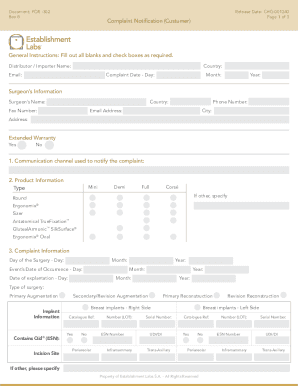
Definition and Meaning of Employment Relations (Statutory - Legislation Govt)
The Employment Relations (Statutory - Legislation Govt) refers to the legal framework established to govern the relationship between employers and employees within a statutory context. This typically involves regulations set by the government to ensure fair treatment, legal employment practices, and protection for workers. Key aspects might include employee rights, minimum wage laws, redundancy procedures, and safety regulations. Understanding this legislation is crucial for both employers and employees to ensure compliance and avoid legal disputes.
Key Elements of Employment Relations (Statutory - Legislation Govt)
Several critical components define the statutory framework for employment relations. These include:
- Minimum Employment Standards: Laws that set the bare minimum of acceptable employment conditions.
- Employee Rights: Protections afforded to employees, such as freedom from discrimination and harassment.
- Employer Obligations: Duties that employers must uphold, including safe working environments and timely payment.
- Redundancy Procedures: Legal guidelines on compensation and notice periods in cases of employee redundancy.
- Dispute Resolution: Mechanisms for addressing and resolving workplace conflicts.
Steps to Complete Employment Relations (Statutory - Legislation Govt)
To effectively navigate the Employment Relations framework, consider these steps:
- Identify Relevant Legislation: Determine the specific statutes applicable to your industry and jurisdiction.
- Collect Necessary Documentation: Gather all required forms and records, such as payroll information, employment contracts, and training certificates.
- Review Compliance Requirements: Ensure that your practices align with statutory requirements, such as minimum wage laws and workplace safety standards.
- File Appropriate Documentation: Submit necessary forms and reports to the appropriate regulatory body or governmental department.
- Implement Ongoing Monitoring: Establish processes for regular audits and reviews to maintain compliance over time.
Important Terms Related to Employment Relations (Statutory - Legislation Govt)
Understanding essential terms can clarify statutory employment relations:
- Redundancy: The discharge of employees due to business operations changes, not individual performance.
- Grievance Procedure: A formal process for employees to report workplace issues or alleged breaches of their rights.
- Collective Bargaining: Negotiations between employers and employee representatives regarding employment conditions.
- Fair Labor Standards: Principles ensuring fair pay, reasonable working hours, and healthy environment.
- Occupational Safety and Health: Regulations designed to protect the well-being and safety of employees at work.
Who Typically Uses the Employment Relations (Statutory - Legislation Govt)
The primary users of statutory employment relations information include:
- Human Resources Professionals: They apply legal standards to manage employee relations and ensure compliance.
- Employers: Business owners and managers must understand these laws to avoid legal pitfalls and ensure fair treatment of staff.
- Union Representatives: They advocate for employees' rights and ensure that collective agreements align with statutory obligations.
- Legal Advisors: Employment lawyers offer guidance on navigating complex regulations and defending against worker claims.
- Employees: Understanding their rights and obligations helps employees better navigate their workplace environment.


Legal Use of the Employment Relations (Statutory - Legislation Govt)
Legally utilizing employment relations statutes involves several key actions:
- Research Laws and Regulations: Always base actions on the most current legal information relevant to your jurisdiction.
- Implement Workplace Policies: Develop and enforce policies that reflect statutory requirements and protect employee rights.
- Maintain Accurate Records: Keep detailed records of employment agreements, payroll, and disciplinary actions to support compliance.
- Conduct Training: Educate employees and management on legal standards to prevent violations.
- Seek Legal Counsel: Engage with employment law specialists when complexities arise or before implementing significant changes.
State-Specific Rules for Employment Relations
Employment relations can vary significantly by state due to localized regulations:
- Minimum Wage Laws: States often have specific minimum wage standards, higher or differing from federal requirements.
- Worker Compensation: Each state has unique rules concerning the payment and management of worker’s compensation claims.
- Leave Policies: Variations can occur in mandatory sick leave, family leave requirements, and public holidays.
- Union Regulations: State laws may impact the operation and recognition of unions within the region.
- Employment At-Will vs. Contractual Employment: Some states have distinct employment arrangements that impact termination rights.
Examples of Using Employment Relations (Statutory - Legislation Govt)
Practical examples of employing statutory employment relations include:
- Implementing a Grievance Procedure: A company develops a clear process for handling employee complaints, ensuring fairness and legal compliance.
- Redundancy Planning: During a company downsizing, HR ensures that redundancy procedures comply with statutory requirements for notice and compensation.
- Wage Adjustment: A business adjusts payroll systems to meet state minimum wage increases, integrating these changes with existing practices.
- Safety Protocols Revision: A manufacturing plant revises its safety standards in response to updated occupational health laws, reducing workplace accidents.
These sections provide comprehensive coverage of the Employment Relations (Statutory - Legislation Govt) framework, elucidating its significance, application, and audience. The content's depth ensures a robust understanding for users seeking to grasp this critical facet of labor law.