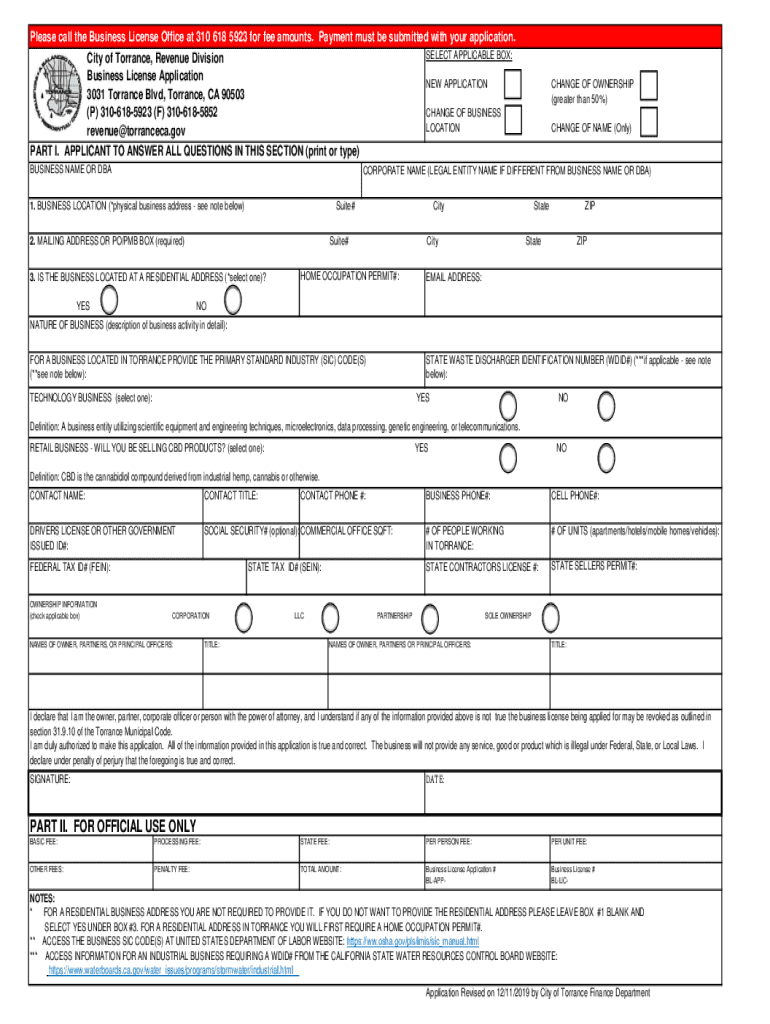







Definition and Meaning of a Business License Application
A business license application is a formal document submitted by individuals or entities to obtain legal permission to operate a business within a specific jurisdiction. This application typically includes essential information about the business, such as its name, address, ownership details, and the nature of the business activities. The primary objective of a business license is to ensure that businesses comply with local laws and regulations and meet necessary standards for public health, safety, and welfare. For example, a restaurant in Los Angeles must apply for a business license to ensure compliance with health codes and zoning laws.
Moreover, obtaining a business license demonstrates a company's legitimacy and compliance with local businesses' operational standards. It is a prerequisite for businesses involved in certain regulated industries, such as food services, healthcare, and construction. The license application process may vary depending on the state or locality, with some regions requiring additional permits or certifications based on the specific type of business. Additionally, businesses might need to renew their licenses annually or every few years to continue operating legally.
Steps to Complete the Business License Application
Completing a business license application involves several systematic steps. Understanding these steps can help streamline the process and prevent common errors that could delay approval. Here is a breakdown of the typical steps involved:
-
Research Requirements: Begin by researching the specific requirements for the business license in your area. This involves visiting the local municipal or county office's website to find out which licenses and permits are required for your industry and location. For example, a massage therapy business in San Francisco may need both a business license and a health permit.
-
Gather Necessary Information: Collect all the required information and documentation, including business name, address, ownership details, and a detailed description of the business activities. Some jurisdictions may also require proof of insurance or compliance with safety regulations.
-
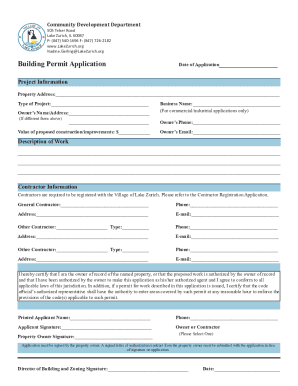
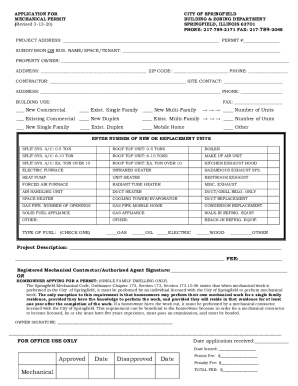
Fill Out the Application Form: Acquire the official business license application form from your local government office or their website. Fill out the form accurately, providing all requested information to avoid processing delays.
-
Submit Application and Fees: Submit the completed application form along with any required documents and application fees. Ensure that payments are made through the accepted methods, which can vary by region.
-
Attend Inspection or Interview (if required): Some business types may require an inspection or interview before the license is issued. This is common for businesses involving food safety, where local health departments may conduct inspections to ensure compliance with health codes.
-
Receive and Display Your License: Once your application is processed, and if approved, you will receive your business license. It is essential to display this license prominently at your place of business as required by local laws.
Completing these steps accurately and promptly can help ensure that your business complies with local regulations and can operate without legal impediments.
Eligibility Criteria for a Business License Application
Eligibility for a business license often depends on several factors, including business type, location, and the nature of the business activities. Understanding the eligibility criteria can help you prepare effectively for the application process:
-
Business Type: Certain types of businesses may have specific eligibility requirements due to the nature of their operations. For instance, a financial services firm might need to meet additional regulatory compliance standards compared to a retail store.
-
Location: Jurisdictions may have varying criteria based on their economic activities, urban planning, and community needs. A construction company seeking a business license in New York City may face different zoning requirements compared to a similar business in a rural area.
-
Ownership and Structure: The business's ownership structure (e.g., sole proprietorship, partnership, corporation) can influence eligibility. For example, a limited liability company (LLC) might need to provide different information compared to a sole proprietorship.
-
Compliance with Other Regulations: Businesses must ensure compliance with other applicable regulations, such as health, safety, and environmental standards. A restaurant will typically be required to comply with food safety regulations and secure a health permit as part of its licensing process.
-
Background Checks: In certain industries, owners and key personnel may be subject to background checks to ensure they meet ethical and legal standards. This is common in highly regulated industries like finance and healthcare.
Understanding these eligibility criteria ahead of time can help you assess whether you meet the necessary conditions and prepare any additional documents or certifications required for the application.


Key Elements of the Business License Application
The business license application form consists of several key elements that are crucial for accurate completion and submission. Each section requires careful attention to ensure compliance and avoid application rejection. Here are some of the primary components:
-
Applicant Details: This section requires information about the individual or entity applying for the license. It includes the applicant's name, address, contact information, and possibly their social security number or tax identification number.
-
Business Information: Detailed information about the business itself is necessary, such as business name, address, type of business entity (e.g., LLC, corporation), and a description of the business activities.
-
Ownership Information: Applicants must provide details about the ownership structure and identify all major stakeholders and officers if the business is a corporation or partnership.
-
Zoning and Location Compliance: Information about the business location's compliance with local zoning laws is typically required. This ensures the business operations are appropriate for the designated area.
-
Declaration of Compliance: Many forms include a section where the applicant must declare their compliance with all relevant local, state, and federal laws, which may involve acquiring additional permits or certifications.
-
Fees and Payment Details: Details of any fees involved in processing the application are necessary, along with accepted payment methods. Providing proof of payment may also be required.
Ensuring that each section is completed accurately and all required information is provided is crucial for the smooth processing and approval of your business license application.
Important Terms Related to Business License Application
Grasping some common terms associated with business license applications can help applicants navigate the process with confidence. Here are a few important terms to know:
-
Permit: Often used interchangeably with a license, a permit is an official approval to undertake specific actions; for example, a health permit allows restaurants to serve food.
-
Zoning: This refers to municipal regulations that dictate the use of land within certain areas. Businesses must ensure their operations align with zoning laws to obtain a license.
-
Renewal: Business licenses often require periodic renewal to remain valid. The renewal process may involve submitting updated information and additional fees.
-
Certificate of Occupancy: This certificate is required for businesses that operate from a physical location. It confirms that the premises meet safety and building code requirements.
-
Regulatory Compliance: Refers to the adherence to laws and regulations relevant to business operations, which is critical for maintaining a license.
Understanding these terms can provide clarity and help applicants meet the necessary requirements for their business license application.
State-Specific Rules for the Business License Application
While many aspects of the business license application process are standardized, there can be significant variations in requirements, fees, and processing times depending on the state or locality. Here is an overview of some state-specific considerations:
-
California: In California, the requirements can vary widely by city. For example, San Francisco may require additional permits for certain types of businesses like bars and nightclubs, along with higher licensing fees compared to smaller cities.
-
New York: New York City has specific zoning laws and may require businesses to obtain additional permits for signage or construction. The application process might also involve engaging with multiple regulatory bodies, depending on the business type.
-
Texas: Texas has a more streamlined application process, with fewer state-level licenses required. However, cities like Austin may impose their own stricter local requirements.
-
Florida: Business licenses in Florida might require a state-level registration if the business involves professional services. Coastal cities may have additional environmental regulations.
Business owners must understand the specific requirements of the state or locality where they intend to operate. Consulting with local government or a business legal advisor can be helpful in navigating these requirements effectively.
How to Use the Business License Application
Using the business license application involves several steps, from initial preparation to submission and renewal. Here is how to effectively use and manage the application:
-
Preparation: Collect and organize all necessary documents, such as proof of identity, business registration details, and previous licenses if applicable.
-
Accurate Completion: Carefully fill out the application, making sure each section is completed accurately. Errors or omissions can lead to delays or rejections.
-
Submission: Submit the application according to the methods specified, whether online, by mail, or in person. Confirm that all fees are paid and payment methods are accepted.
-
Track Application: Keep track of the application status. Some local offices provide online portals where you can monitor your application's progress.
-
Renewal and Updates: Mark calendar reminders for renewal dates. Update your application if there are significant changes to your business, such as a change of address or ownership.
By carefully managing each stage of the application process, businesses can secure the necessary licenses to operate legally and efficiently.