




Definition and Meaning of Form Online
The term "form online" refers to digital documents and templates that users can fill out and submit electronically via the internet. These forms eliminate the need for physical paperwork, streamlining processes in various sectors, such as education, business, and government. By utilizing online forms, users can efficiently capture and manage data, ensuring accuracy and speed compared to traditional methods.
How to Use the Form Online
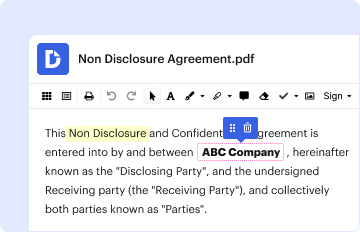
Users can interact with online forms through a web-based platform, featuring intuitive interfaces and interactive elements. To complete an online form, users typically:
- Access the form through a web link or document management platform.
- Enter required information into designated fields such as text boxes, checkboxes, and dropdown menus.
- Review the filled-in information for accuracy.
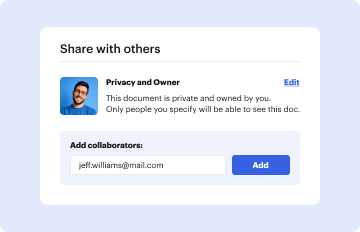
- Submit the form by clicking a button, which triggers a series of back-end processes to save, share, or further process the data.
Steps to Complete the Form Online
The following steps detail the typical procedure for filling out an online form:
- Access the Platform: Open the website or application hosting the form on your computer or mobile device.
- Locate the Form: Navigate to the section or page where the form is hosted.
- Fill in Required Fields: Enter information in all mandatory fields, often marked with an asterisk (*), to ensure completeness.
- Attach Necessary Documents: If applicable, upload any required supporting documents through the form's attachment options.
- Review and Edit: Double-check for any errors or omissions and make adjustments as needed.
- Submit: Confirm all entries and submit the form by clicking the designated button.
Who Typically Uses the Form Online
Online forms are utilized by a diverse array of users, each with unique needs and goals:
- Students and Educators: To submit applications, request absences, or conduct surveys.
- Businesses: For processing orders, conducting employee evaluations, and collecting customer feedback.
- Government Agencies: To streamline applications for permits, licenses, benefits, and more.
- Nonprofits: To facilitate donor sign-ups and volunteer registration.


Legal Use of the Form Online
Online forms must comply with relevant legal regulations to ensure data privacy and security:
- Data Protection: Adherence to laws such as the GDPR, ensuring data is handled with consent and confidentiality.
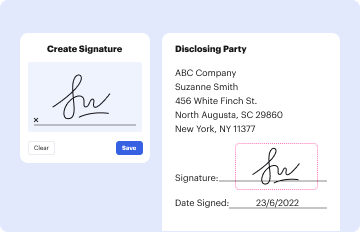
- Electronic Signatures: Legally binding in the U.S. under the ESIGN Act, allowing users to authenticate documents electronically.
- Record Keeping: Ensures all submitted data is stored securely and can be retrieved when necessary.
Key Elements of the Form Online
An effective online form incorporates various elements designed for user clarity and data accuracy:
- Clear Instructions: Ensures users understand how to complete the form correctly.
- Responsive Design: Compatibility with multiple devices, ensuring accessibility regardless of user location or device.
- Interactive Fields: Includes text inputs, radio buttons, dropdowns, and date pickers to effectively gather information.
- Validation Checks: Real-time error notifications to prevent submission of incomplete or incorrect data.
State-Specific Rules for the Form Online
Some online forms are subject to state-specific regulations and requirements:
- Tax Forms: Vary based on individual state tax laws and policies.
- Educational Forms: Different criteria for acceptance depending on state education standards.
- Business Licenses and Permits: Specific state guidelines and application processes.
Required Documents for Form Completion
Completing an online form often requires additional documents to verify submitted information:
- Identification: Government-issued ID or passport for verification.
- Support Documents: Proof of eligibility such as transcripts, pay stubs, or tax returns.
- Authorization Forms: Some processes require signed consent or authorization from involved parties.