






Definition & Meaning
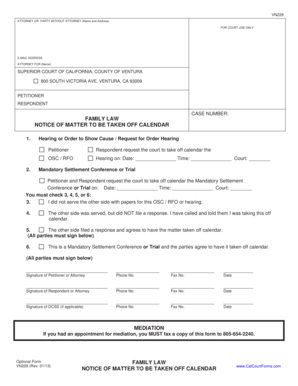
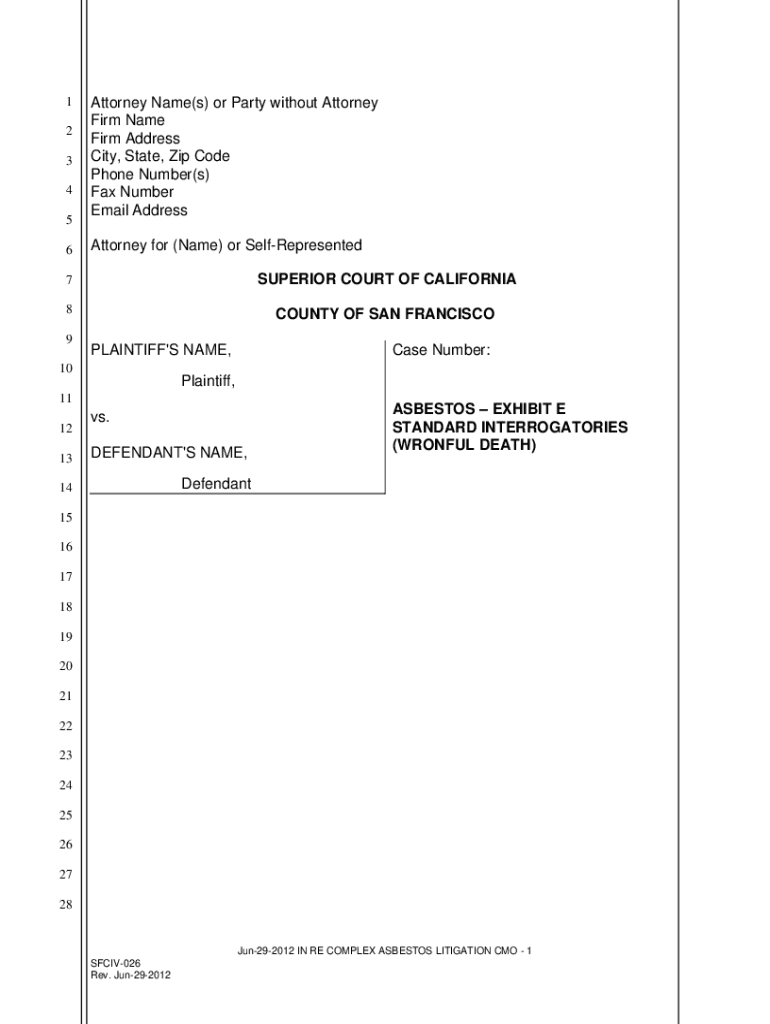
The "Cover Sheet: Responsive Declaration to Request for Order" is a legal document used in family law cases within the United States. This form serves as a formal response to a request for an order, such as modifications to court orders involving child custody, spousal support, or visitation rights. It provides the respondent with an opportunity to detail their position and any supporting evidence or documentation in response to the claims or requests made by the opposing party. This cover sheet facilitates organized and clear communication with the court, ensuring that all necessary information is presented for consideration.
How to Use the Cover Sheet: Responsive Declaration to Request for Order
-
Initial Review: Begin by thoroughly reading the request for order you have received to understand the specifics.
-
Gather Information: Collect all relevant documentation and evidence that supports your response. This may include financial statements, correspondence, or other legal documents pertinent to the case.
-
Completion of the Form: Fill out the cover sheet by providing your personal information, the case number, and your detailed response to each point raised in the request for order.
-
Legal Drafting: Be precise and clear in drafting your response. Highlight your reasons for agreement or disagreement with the requested orders, supported by evidence.
-
Additional Attachments: Attach any additional documents or affidavits that support your statement or response.
-
Submission: Submit the completed form along with attachments as per the specific instructions of your local court, which might involve a physical filing or an online submission.
Steps to Complete the Cover Sheet: Responsive Declaration to Request for Order
-
Identify Your Case: Clearly state the case name and number at the top of the form for easy reference.
-
Provide Personal Details: Fill in your personal information, including name, address, and contact number.
-
Respond to Allegations: Address each point made in the request for order in detail, providing clear explanations for your stance.
-
Attach Supporting Documents: Securely attach any necessary documents or evidence that back up your responses.
-
Sign the Form: Ensure that the form is signed and dated before submission. Your signature will often need to be notarized.
-
Submit the Declaration: File the form with the appropriate court, following up with any service requirements to the other party involved.
Who Typically Uses the Cover Sheet: Responsive Declaration to Request for Order
Individuals involved in family law disputes typically use this form. This includes parents negotiating custody arrangements, spouses modifying support obligations, or any party contesting an order related to family law matters. Legal professionals like family law attorneys also use this document to prepare clients’ responses in an organized and detailed manner, ensuring compliance with court protocols.


Important Terms Related to Cover Sheet: Responsive Declaration to Request for Order
- Respondent: The individual responding to the legal request.
- Petitioner: The person who initiates the request for an order.
- Affidavit: A written statement confirmed by oath or affirmation, used as evidence in court.
- Modifications: Changes requested in existing court orders.
- Discovery Documents: Evidence or forms exchanged between parties before trial.
Key Elements of the Cover Sheet: Responsive Declaration to Request for Order
- Case Information: Includes case name, number, court location, and parties involved.
- Response Arguments: Sections where the respondent outlines their positions on the issues raised, providing explanations and evidence.
- Attachments: Supporting documents like financial records or affidavits.
- Verification: A signed acknowledgment of the accuracy and truthfulness of the statements made within the declaration.
Legal Use of the Cover Sheet: Responsive Declaration to Request for Order
The legal use of this form involves submitting it to the family court to officially record a respondent's stance on matters like custody, visitation, or support. Complying with this process ensures that the respondent's side of the story is heard, facilitating a fair judicial review. Proper use of the cover sheet can impact the court's decision, making it crucial for respondents to provide comprehensive and honest information.
Examples of Using the Cover Sheet: Responsive Declaration to Request for Order
-
Child Custody: A parent might use this form to oppose a request for sole custody made by the other parent, providing evidence of a stable home environment and active involvement in the child's life.
-
Spousal Support Modification: A spouse could respond to a request to modify spousal support by presenting updated income information or evidence of changed financial circumstances.
-
Visitation Rights: A non-custodial parent may utilize the form to request additional visitation by demonstrating improvements in personal circumstances or establishing a routine that supports increased visitation.
State-Specific Rules for the Cover Sheet: Responsive Declaration to Request for Order
Content and procedural requirements for this form can vary by state due to differing family law statutes. For instance, some states may have specific deadlines for filing the responsive declaration, or they might require additional local forms. It’s essential for respondents to consult state-specific legal guidelines or work with a local attorney to ensure compliance with jurisdictional requirements.