Definition and Meaning
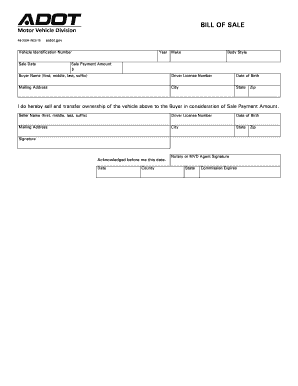
The Dealer Reassignment Transfer Overview refers to the electronic process of transferring vehicle ownership from one dealer to another or from a dealer to a customer. This system replaces the traditional paper-based method, allowing for more efficient and accurate management of vehicle titles. Designed primarily to streamline dealership operations, the electronic Dealer Reassignment Transfer (DRT) system is particularly relevant in states like Arizona, which are transitioning to fully digital vehicle titling systems. By eliminating paper titles, the DRT promotes faster transactions, reduces potential errors, and ensures that vehicle ownership records are updated promptly in the state's Motor Vehicle Division systems.
Practical Examples
- Example 1: A car dealership in Arizona uses the DRT system to transfer ownership of a newly purchased vehicle from their inventory to a customer. The system ensures the transfer is recorded instantly with the Motor Vehicle Division, avoiding the waiting time associated with mailing paper documents.
- Example 2: When a vehicle is sold between two dealers, the DRT system facilitates the rapid reassignment of the title, enabling the receiving dealer to offer the car for sale without delay.
Steps to Complete the Dealer Reassignment Transfer
Completing a Dealer Reassignment Transfer involves several key steps to ensure a smooth transition of ownership:
- Access the DRT System: Dealers must log into the state's designated electronic titling platform with their credentials.
- Enter Vehicle Information: Input all relevant details about the vehicle, such as the VIN, make, model, and year.
- Provide Dealer Information: Include information for both the selling and receiving dealers, ensuring accuracy to prevent delays.
- Verify Customer Details: If the transfer involves a final sale to a customer, confirm the buyer's information, including name and address.
- Submit Electronic Signatures: Both dealers may need to provide electronic signatures to confirm the transfer, ensuring authenticity and compliance with state regulations.
- Final Review and Confirmation: Review all entries for accuracy, then submit the transfer. The system will notify the appropriate parties once the transfer is recorded.
Real-World Scenarios
- Scenario 1: A dealer completing a transaction outside of regular business hours can still initiate a DRT, enhancing operational flexibility and customer service.
- Scenario 2: In the event of an input error, the DRT system may allow for corrections before final submission, reducing the chance of having to redo the transfer process.
Important Terms Related to Dealer Reassignment Transfer
Understanding specific terminology is crucial for utilizing the DRT system effectively:
- Electronic Title: A digital version of a vehicle's title, stored in a secure database, replacing physical documentation.
- VIN (Vehicle Identification Number): A unique code used to identify individual motor vehicles and provide critical information during the transfer process.
- Motor Vehicle Division (MVD): The governmental body responsible for maintaining vehicle records and overseeing titling and registration.
- Authentication Protocols: Security measures, such as OAuth 2.0, ensure that only authorized users can access and modify vehicle title records.
Case Study
- Case Study: In a pilot program aiming to reduce administrative costs, an Arizona-based dealership adopted the DRT system. By cutting down on paper processing and mailing expenses, the dealership saw a 20% reduction in operating costs related to vehicle title management in the first year.
State-Specific Rules for the Dealer Reassignment Transfer
While most states share common basic principles for electronic title transfers, some specific rules may apply:
- Arizona: The transition to electronic titling is part of a broader initiative to streamline vehicle registration and titling processes, with Phase I focusing on dealer reassignments.
- California: Dealers in California may need additional authentication or local certification to use electronic systems comprehensively.
Best Practices
- Adoption: Dealers are encouraged to familiarize themselves with state-specific regulations and attend state-organized training sessions to ensure compliance with local laws.
Key Elements of the Dealer Reassignment Transfer Overview
The DRT Overview consists of several core components that dealers must understand:
- System Access Requirements: Dealers must have an account with the state’s electronic titling system.
- Data Input Fields: Vehicle and dealer information must be complete and accurate.
- Security Measures: Compliance with data protection laws is mandatory to safeguard sensitive information.
- Audit Trails: Most systems generate an audit trail, documenting who accessed or modified the vehicle title records.
Illustrative Example
- Example: A dealership may use the DRT system to process weekly vehicle transfers, the system maintaining a log of each transaction, which is crucial for internal audits and compliance verification.
Penalties for Non-Compliance
Failing to adhere to the guidelines and deadlines associated with the DRT can lead to several consequences:
- Legal Penalties: States may impose fines or suspend a dealer's license for repeated non-compliance with electronic titling requirements.
- Operational Delays: Inability to transfer titles promptly could lead to delays in sales and revenue collection.
- Reputational Damage: Consistent non-compliance could harm a dealership's reputation within the industry and among consumers.
Variations
- Variation: Penalties might differ based on whether the non-compliance was due to administrative oversight or intentional negligence.
Software Compatibility
The degree of compatibility with different software platforms can impact the DRT's effectiveness:
- Integration with Dealer Management Software: Some DRT systems are designed to integrate seamlessly with popular dealer management systems (DMS), enhancing workflow efficiency.
- Accessibility: Compatibility with various internet browsers ensures that users can access the DRT system regardless of their preferred platform.
Technology Utilization
- Example: A dealer using a standard dealership management system needs to ensure that it supports the electronic transfer processes required by the state to prevent workflow interruptions.
Who Typically Uses the Dealer Reassignment Transfer Overview
The primary users of the DRT system are licensed vehicle dealers engaged in the sale, transfer, or reassignment of vehicle ownership. However, other stakeholders might include:
- Fleet Managers: Oversee large volumes of vehicle transactions and benefit from streamlined transfer processes.
- Auction Houses: Conduct numerous transfers daily, requiring efficient systems to manage high transaction volumes.
- State Employees: Might access the system to verify records and ensure compliance with state regulations.


Case Example
- Example: A fleet manager might use the DRT system to coordinate the reassignment of multiple vehicles at once, significantly reducing time spent on individual transfers and administrative tasks.
Eligibility Criteria
Certain criteria must be met for using the DRT system:
- Dealer Licensing: Only state-licensed dealers are authorized to perform reassignment transfers electronically.
- System Registration: Dealers must register with the state's digital titling system, often requiring training or certification.

Additional Considerations
- Specialized Training: Some states require dealers to undergo specific training or orientation before granting access to electronic systems, ensuring they are well-versed with the required protocols and procedures.