Definition & Meaning
A temporary import permit allows travelers or entities to temporarily import certain goods, like motor vehicles or identifiable items, into a foreign country for a specific period without paying customs duties or taxes. This permit is particularly useful for individuals traveling with personal vehicles or equipment and ensures compliance with the host country's regulations while facilitating smooth entry and exit processes.
Typically issued by customs authorities, this permit mandates that the items will not be sold, transferred, or otherwise disposed of during the stay in the host country. Instead, they are meant for personal use and should exit the country within the stipulated timeframe. This arrangement provides a practical solution for travelers who need to bring personal belongings or equipment without incurring substantial import duties.
Additionally, such permits often require a declaration from the applicant, affirming the personal nature and purpose of the items being imported. This ensures that customs can efficiently monitor entries and prevent the misuse of the system.
How to Obtain the Temporary Import Permit
The process for obtaining a temporary import permit typically involves several steps, designed to ensure compliance and proper documentation. While the specific steps can vary based on the country or region, they generally include:
-
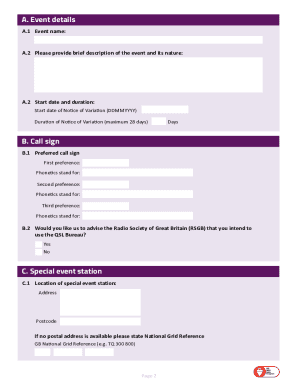
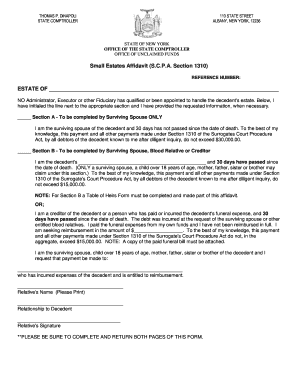
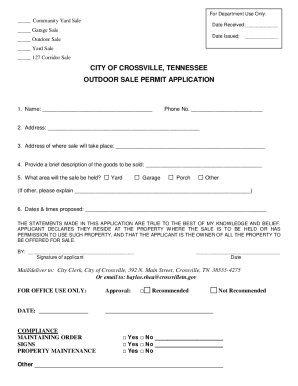
Application submission: Applicants must fill out an application form, often available online or at border entry points. The form requests detailed information about the goods, vehicle, and purpose of importation.
-
Provision of personal and item details: The form requires details such as the applicant's identification, information on the imported goods, and the intended duration of stay.
-
Payment of applicable fees: There may be a nominal processing fee associated with the permit application, which can usually be paid electronically or at the entry point.
-
Compliance with customs regulations: The applicant must ensure that the items meet the host country's customs regulations and provide any additional documentation if required.
-
Approval and issuance: Once the application is reviewed and approved, the permit is issued, allowing for the temporary import of the specified items.
The approval time can vary depending on the efficiency of the issuing authority and any additional checks or documentation required.
Steps to Complete the Temporary Import Permit
Completing a temporary import permit involves providing accurate information and following specific procedures to avoid delays or rejections. Here is a step-by-step guide:
-
Gather necessary documentation: Prepare documents such as vehicle registration, proof of ownership, identification, and any other relevant paperwork.
-
Fill out the application form: Carefully enter all required information, ensuring accuracy, especially regarding item descriptions, value, and personal details.
-
Check for additional requirements: Depending on the importing country, additional documents or permissions might be needed, such as a carnet de passage or insurance.
-
Submit the form through the chosen method: Some authorities allow online submission, while others may require in-person application at the border or consulate.
-
Monitor the application status: Follow up if necessary and ensure all information remains valid during the processing period.
Clear and properly filled applications tend to process faster and with fewer complications.
Key Elements of the Temporary Import Permit
Understanding the key elements of a temporary import permit is crucial for compliance and successful application. Here are the main components:
-
Validity period: Specifies the duration for which the permit is valid. This is typically a limited time frame aligned with the travel plans.
-
Item details: Includes comprehensive information about the items being imported, such as make, model, serial numbers, and any unique identifiers.
-
User conditions: Outlines the terms under which the items can be used, often emphasizing personal use and prohibiting sale or transfer.
-
Exit requirements: Details the steps and conditions under which the items must be removed from the host country, ensuring compliance and closure of the permit.
These elements help ensure clarity for both the applicant and customs authorities, reducing the risk of misunderstandings or penalties.
Legal Use of the Temporary Import Permit
The legal framework surrounding temporary import permits is designed to ensure that imported goods are used appropriately and comply with the host country's laws. This includes:
-
Purpose limitations: Items can only be used for the purposes declared in the application, generally personal use, without engaging in commercial activities.
-
Time constraints: The permit explicitly states the timeframe in which the goods can remain in the country, often with specific expiration dates for departure.
-
Compliance obligations: Users must adhere to any additional regulations imposed by customs authorities and provide the necessary documents upon request.
Failure to comply with these legal requirements can result in fines, penalties, or the confiscation of goods.
State-Specific Rules for the Temporary Import Permit
In some countries like the United States, states may have additional or specific rules governing the issuance and use of temporary import permits. For instance:
-
Different processing authorities: Some states may have distinct customs or transportation departments managing the permits.
-
Variation in fees: Different states might levy different fees for processing permits based on local regulations or policies.
-
Additional documentation: Certain states might require extra documentation, such as environmental compliance certificates or local insurance.
Understanding these state-specific rules is essential for travelers to ensure that they remain in full compliance with regional laws.
Required Documents
The documentation needed to secure a temporary import permit is critical to the process. Required documents generally include:
-
Personal identification: A valid passport or government-issued ID to verify the applicant's identity.
-
Vehicle or item documentation: Proof of registration, ownership certificates, or serial numbers for identifiable goods.
-
Insurance proof: Some jurisdictions might require proof of insurance, especially for vehicles, to cover the duration of stay.
Having all necessary documents prepared and accessible can expedite the application process and reduce the likelihood of unforeseen complications.
Penalties for Non-Compliance
Not adhering to the terms and conditions of a temporary import permit can lead to serious consequences. Common penalties include:
-
Fines and monetary penalties: Financial penalties may be levied for breaches of the terms, such as overstaying the permit's validity.
-
Confiscation of goods: Import authorities may seize goods that are found to be non-compliant with the permit's conditions.
-
Legal action: Severe violations, such as fraudulent declarations or misuse of goods, can result in legal proceedings against the applicant.
Awareness and adherence to the regulations governing temporary import permits can help prevent such penalties and ensure a smooth return of goods to the country of origin.