






Understanding the Clearance Diving Branch (RAN)
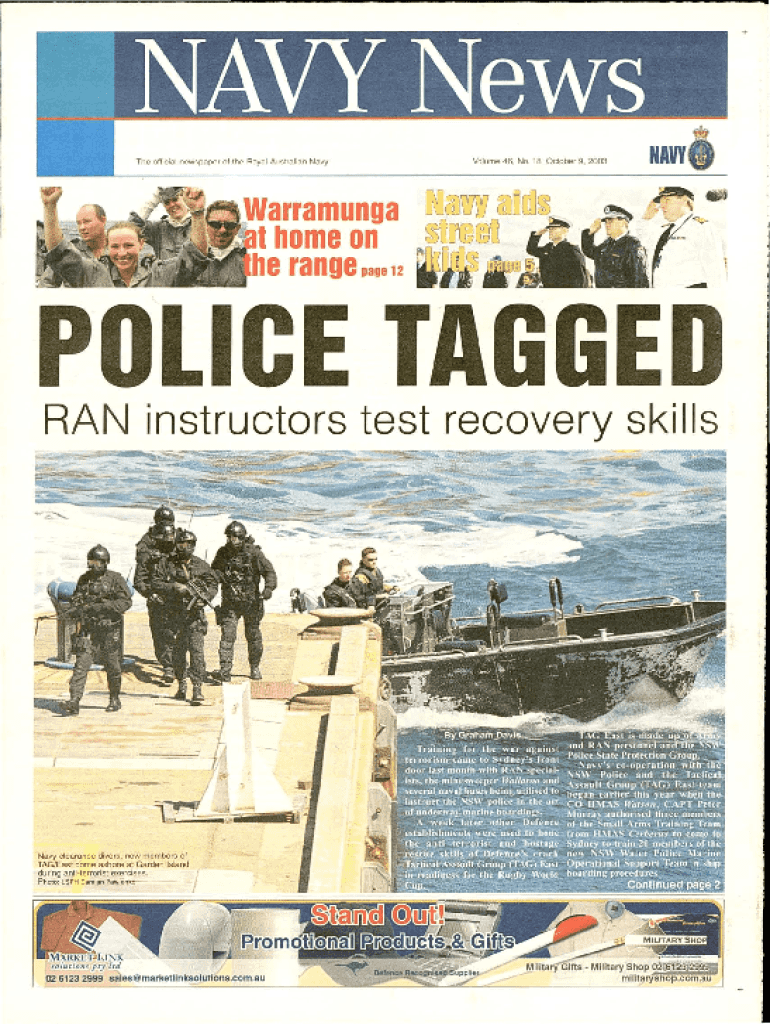
The Clearance Diving Branch (RAN) is a specialized unit within the Royal Australian Navy (RAN) responsible for various underwater tasks. These include explosive ordnance disposal, underwater demolitions, salvage operations, and reconnaissance missions. It represents the Navy's elite forces dedicated to ensuring maritime safety and operational success by managing explosive threats and maintaining underwater infrastructure.
Core Responsibilities of the Clearance Diving Branch
- Explosive Ordnance Disposal (EOD): One of the primary tasks includes detecting, identifying, and neutralizing explosive threats underwater.
- Underwater Demolitions: Safely conducting demolitions to remove underwater obstacles or threats, supporting safe navigation and military operations.
- Salvage Operations: Engaging in recovery missions to retrieve sunken vessels or aircraft, significantly contributing during naval emergencies or accidents.
- Reconnaissance and Intelligence Gathering: Conducting covert underwater surveys to gather strategic information, essential for planning safe naval operations.
Skills and Training Required
Personnel in this branch undergo extensive training in various disciplines:
- Diving Certifications: Specialized training in open and closed-circuit diving to handle varying underwater environments and pressures.
- Explosives Handling: In-depth knowledge and practical skills in handling and neutralizing explosives safely.
- Advanced Navigation and Communication: Mastery in using underwater navigation and communication equipment essential during complex missions.
- Physical Fitness and Endurance: Maintaining high physical standards is crucial, as the role requires significant stamina and strength.
How to Join the Clearance Diving Branch
Becoming part of this elite unit requires a rigorous selection process:
- Eligibility: Candidates must be members of the Royal Australian Navy or willing to enlist. Prior military service can be advantageous.
- Selection Trials: Involves passing physical and psychological tests designed to assess suitability for the demanding role of a clearance diver.
- Training Commitment: Successful candidates undergo an intensive training program lasting several months, covering all aspects of the clearance diver role.
Commitment and Career Path
Joining the Clearance Diving Branch also means a long-term commitment:
- Contract Duration: Enlisting as a clearance diver typically comes with a minimum service period, ensuring investment in training is reciprocated by service time.
- Career Progression: Opportunities for promotion within the RAN based on merit, experience, and additional qualifications.
Applications and Significance
Why the Clearance Diving Branch is Critical
- Maritime Security: They play a pivotal role in safeguarding naval and commercial sea routes by ensuring they are free from explosive threats.
- Disaster Response: The branch can significantly assist in natural disasters or maritime accidents by providing vital salvage operations and underwater repairs.
Real-world Scenarios
- Anti-Terrorism Operations: Demonstrating expertise in handling and diffusing underwater threats, crucial for anti-terrorism protocols.
- International Missions: Involvement in multinational naval exercises enhances global maritime safety and interoperability among allied forces.
Legal and Regulatory Considerations
Legal Framework
Understanding the legal guidelines is essential:
- International Maritime Laws: Combat operations often adhere to international maritime regulations to ensure legal compliance and respect for global maritime boundaries.
- National Defense Protocols: Operations must comply with Australian defense laws, balancing operational efficiency with public safety and environmental considerations.
Safety and Compliance Standards
- Standard Operating Procedures (SOPs): Adherence to SOPs for every mission ensures organizational compliance and personal safety.
- Equipment Checks: Rigorous equipment maintenance is mandated to ensure operational readiness and personal safety.
Key Challenges and Opportunities
Common Challenges
- Harsh Environments: Operating in dangerous underwater environments requires resilience and mastery of skills.
- Technological Dependency: Operations heavily rely on cutting-edge technology, demanding continuous learning and adaptation.
Opportunities for Growth
- Technological Advancements: Embrace new technologies in diving and explosive handling to improve operational efficiency.
- International Collaboration: Participate in joint exercises and missions, fostering skills transfer and diplomatic relationships.
Important Terminology and Concepts
Understanding Key Terms
- EOD (Explosive Ordnance Disposal): The process of identifying and neutralizing explosive threats.
- Salvage Operations: The act of recovering items from bodies of water, often under challenging conditions.
- ROV (Remotely Operated Vehicle): Unmanned underwater vehicle used for reconnaissance and complex tasks where human access is limited.
Continuous Learning and Updates
- Technological Updates: Staying informed about new equipment and techniques is crucial for maintaining operational excellence.
- Regulatory Changes: Keeping abreast of changes in legal frameworks to ensure continued compliance and operational readiness.
By understanding these aspects, one gains insight into the critical role played by the Clearance Diving Branch within the Royal Australian Navy and its overarching significance to national and international maritime security.