






Definition and Meaning
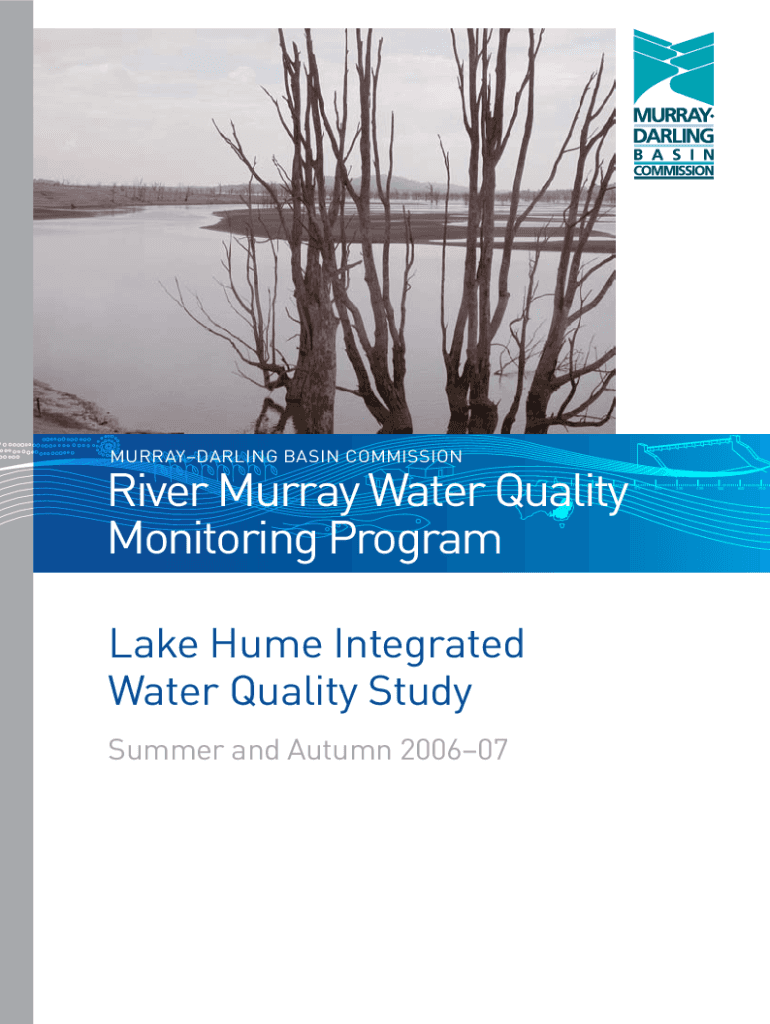
The "Water quality summary for the Murray and Lower Darling" is a detailed document generated to provide an overview of water quality parameters and issues within the Murray and Lower Darling regions. Responsible entities like environmental agencies or water management commissions typically develop this summary as part of comprehensive water monitoring programs. This report gives insights into various environmental factors, such as nutrient levels, sediment contamination, and biological indicators like algal blooms, aiding in the evaluation of both ecological health and water management efficacy.
Key Elements of the Water Quality Summary
This summary document typically includes several crucial components:
- Water Quality Indicators: Parameters such as pH levels, dissolved oxygen, nutrient concentrations (nitrogen and phosphorus), salinity, and turbidity. These indicators are essential for assessing the ecological health of the aquatic environment.
- Biological Assessments: Details on algal distribution, presence of aquatic plants, and fish populations, which can signal changes in water quality and ecosystem stability.
- Sediment Analysis: Examination of sediment types and contamination levels, particularly with heavy metals, to understand the deposit's impact on water quality.
- Impact Studies: Evaluations of how natural events like floods or human activities, such as dam operations, influence water quality and downstream ecosystems.
How to Use the Water Quality Summary
- Environmental Monitoring: Agencies use the summary to track water quality trends over time, helping to inform policy and conservation efforts.
- Research and Analysis: Scientists and researchers utilize this document for studies on aquatic health, pollution impact, and climate change effects.
- Community Awareness: Local communities can use this information to understand environmental changes impacting their water resources and engage in civic environmental activities.
Steps to Complete the Water Quality Component of the Summary
- Data Collection: Gather water samples from various points across the Murray and Lower Darling regions, noting different environmental conditions.
- Laboratory Analysis: Conduct tests on the samples for chemical, biological, and physical parameters.
- Data Interpretation: Compare the results with historical data to identify trends, anomalies, or areas of concern.
- Report Compilation: Assemble the data into an understandable format that discusses results, provides interpretations, and suggests policy or management actions.
Who Typically Uses the Water Quality Summary
- Government Agencies: Such as the Department of Environment and Water, responsible for policy-making and regulation enforcement.
- Environmental NGOs: Non-governmental organizations focused on conservation and environmental sustainability.
- Academics and Researchers: Engaged in environmental science research and seeking data for studies and publications.
- Local Residents and Industries: Industries relying on water resources for operations and residents interested in local environmental quality.


Legal Use of the Water Quality Summary
Legal frameworks often require reports like the "Water quality summary for the Murray and Lower Darling" for:
- Regulatory Compliance: Ensuring activities meet environmental standards and regulations.
- Environmental Impact Assessments: Supporting development planning by providing baseline data and potential impact evaluations.
- Litigation and Advocacy: Used in legal cases or advocacy efforts concerning water rights and environmental protection.
Important Terms Related to the Water Quality Summary
- Nutrient Dynamics: Referring to the movement and partitioning of nutrients in the water, integral to understanding eutrophication.
- Eutrophication: The process by which a water body becomes overly enriched with minerals and nutrients, often resulting in excessive plant growth and algal blooms.
- Algal Blooms: Rapid increase in algae population, potentially harmful to water quality and aquatic life.
- Sediment Contamination: The presence of harmful substances in the sediment, affecting water quality and organism health.
Examples of Using the Water Quality Summary
- Case Study: Lake Hume: A study showed significant algal blooms due to increased nutrient levels, leading to targeted nutrient reduction strategies.
- Policy Application: The summary helped develop effective catchment management plans, focusing on reducing agricultural runoff into water bodies.
- Community Engagement: Information from the summary facilitated local workshops educating on sustainable farming practices to preserve water quality.
Form Submission Methods
While "Water quality summary for the Murray and Lower Darling" is not typically a form that needs traditional submission, its contents are often shared through:
- Online Platforms: Digital copies are available through environmental agency websites for broad accessibility.
- Public Meetings and Reports: Summary highlights are discussed in stakeholder meetings and are incorporated into annual reports for universal access.