



Definition and Purpose of a Self-Audit Checklist
A self-audit checklist is a structured tool designed to help businesses evaluate their compliance with specific regulations, such as the Fair Work Act 2009. It assists companies in systematically reviewing their adherence to various legal requirements, including pay conditions, leave entitlements, and record-keeping protocols. By using this checklist, organizations can identify areas needing improvement to ensure compliance without needing to submit the results to external bodies like the Fair Work Ombudsman. The checklist serves as an internal guide for businesses to maintain and enhance their operational standards.
How to Use the Self-Audit Checklist
Employing a self-audit checklist involves a systematic approach to reviewing key business practices. Begin by gathering all relevant documents, such as employment contracts, payroll records, and leave requests. Next, cross-reference these with the checklist criteria. For instance, verify if all employees receive the correct pay rate and if leave entitlements are properly documented. It's crucial to involve relevant departments, such as Human Resources and Finance, to ensure all aspects of compliance are covered. Document findings and identify any discrepancies or non-compliance issues, which should be addressed promptly. This process enables businesses to proactively manage compliance risks.
Steps to Complete the Self-Audit Checklist
- Preparation: Collect all necessary documentation pertinent to employment conditions and company records.
- Review: Carefully assess each item on the checklist, comparing it against the gathered data.
- Identify Issues: Mark discrepancies or areas that require attention and compliance improvement.
- Action Plan: Develop a strategy to address any compliance gaps, assigning responsibilities to relevant team members.
- Implementation: Execute corrective measures, ensuring that changes are documented and communicated across the organization.
- Follow-up: Reassess the areas previously identified as non-compliant to confirm improvements have been made.
Key Elements of the Self-Audit Checklist
The self-audit checklist encompasses several essential components that are crucial for a thorough compliance review:
- Industrial Instruments: Checks related to understanding and applying the correct industrial awards and agreements.
- Leave Entitlements: Ensures that policies related to annual, personal, or other types of leave are accurately provided and recorded.
- Pay Conditions: Assesses proper payroll processing, including timely payments and adherence to minimum wage standards.
- Record-Keeping Requirements: Evaluates whether documentation such as timesheets and payroll records are kept in accordance with legal standards.
Legal Use of the Self-Audit Checklist
Utilizing a self-audit checklist legally entails ensuring that the checklist and its processes do not contravene any regulations. Businesses must use the checklist as an internal tool, not as an official submission to regulatory bodies. The checklist should be viewed as a guide to improve compliance, rather than a substitute for legal advice or consultation with a compliance professional. It's crucial to maintain the confidentiality of any findings and to use them internally to enhance adherence to legal obligations.
Important Terms Related to the Self-Audit Checklist
Understanding the terminology used within the self-audit checklist is critical for accurate application:
- Compliance: Adherence to set laws and regulations.
- Industrial Awards: Legal documents that outline minimum pay rates and conditions of employment.
- Entitlements: Benefits that employees are eligible for, such as leave types.
- Record-Keeping: Maintenance of documents that provide evidence of compliance with employment laws.
Examples of Using the Self-Audit Checklist
Real-world applications of the self-audit checklist can be seen in various business scenarios:
- Small Retail Business: Ensures part-time employees are paid correct overtime rates.
- Tech Start-Up: Uses the checklist to educate new HR personnel about compliance essentials.
- Manufacturing Firm: Verifies that all shift workers have accurate timekeeping records to avoid employment disputes.
Business Types That Benefit Most from the Self-Audit Checklist
Different business entities can derive significant benefits from regularly using a self-audit checklist:
- LLCs and Corporations: To ensure compliance across multiple state jurisdictions with varying employment laws.
- Non-Profits: To maintain transparency and accountability for internal stakeholders and auditors.
- Partnerships: For consistently applying employment regulations across partners’ business interests and areas of influence.
Digital vs. Paper Version of the Self-Audit Checklist
There are various advantages and limitations associated with digital and paper versions of the checklist:
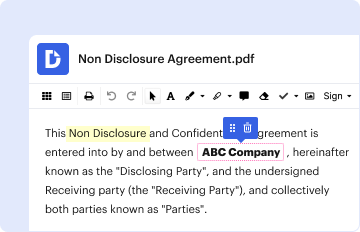
- Digital Version: Offers easy updates, searchability, and sharing features, particularly useful for collaborative auditing sessions.
- Paper Version: May be preferred by businesses with traditional processes, providing a tangible and straightforward review method without the need for digital tools or software.
In considering these options, businesses should evaluate their operational needs and select the format that best aligns with their workflow and technological capabilities.