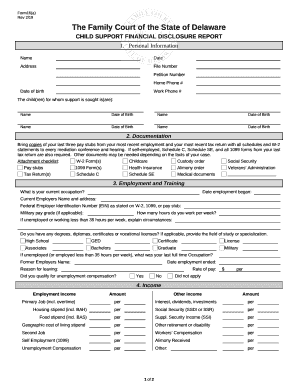
Definition and Meaning of "DRAFT REPORT - February 1998 Image"
The "DRAFT REPORT - February 1998 Image" may refer to preliminary versions of reports drafted in February 1998. These documents often encapsulate initial findings, proposals, or outlines subject to revisions and approval by relevant authorities. They generally serve as a foundation for final reports, capturing essential data and insights at an intermediate stage in the report creation process. Understanding this phase is essential, as it highlights key deliberations and considerations that may influence the finalized document's structure and conclusions.
Key Elements of the DRAFT REPORT - February 1998 Image
Draft reports typically include several core elements that define their structure and utility. These elements often encompass:
- Title Page: Identifying the report's subject, date, and responsible parties.
- Introduction: Setting the scope, objectives, and goals of the report.
- Methodology: Detailing the methods and processes used to gather data.
- Findings: Presenting preliminary data and observations.
- Discussion: Offering interpretations and potential implications of the findings.
- Conclusion and Recommendations: Suggesting areas for further study or immediate actions based on preliminary insights.
Steps to Complete the DRAFT REPORT - February 1998 Image
Completing a draft report involves specific steps to ensure comprehensiveness and precision:
- Gather Required Data: Collect all necessary information, research findings, and relevant statistics.
- Organize Content: Develop a logical structure, aligning with the outlined key elements.
- Draft Sections: Write initial versions of each section, focusing on clarity and coherence.
- Review and Revise: Check for accuracy, consistency, and adherence to intended objectives.
- Seek Feedback: Present the draft to stakeholders for input and suggested amendments.
- Incorporate Revisions: Adjust content based on feedback to enhance quality and utility.
Why Draft Reports are Important
The significance of draft reports lies in their role in the evaluation and decision-making process. Drafts allow for:
- Brainstorming: Providing a platform for generating ideas and exploring various scenarios.
- Feedback Mechanism: Allowing stakeholders to offer input before finalization.
- Identifying Gaps: Highlighting missing pieces or areas requiring additional research.
- Iterative Improvement: Facilitating continuous refinement and enhancement of content.
Who Typically Uses the DRAFT REPORT - February 1998 Image
Draft reports are predominantly used by:
- Project Managers and Coordinators: In charge of compiling and organizing the report.
- Stakeholders and Team Members: Providing insights and feedback.
- Review Boards or Committees: Evaluating content for approval and further action.
- Researchers: Documenting ongoing studies and progressive findings.


Legal Use of the DRAFT REPORT - February 1998 Image
Legal appropriateness in using draft reports revolves around:
- Confidentiality Agreements: Ensuring sensitive information remains protected.
- Citations and References: Properly acknowledging sources and previous work.
- Compliance with Regulations: Adhering to relevant laws and guidelines in report preparation.
Software Compatibility for Creating DRAFT REPORT - February 1998 Image
Various software tools facilitate drafting reports, ensuring compatibility and ease of use:
- Word Processing Software: Microsoft Word or Google Docs for text-based content.
- Data Analysis Tools: Excel or Google Sheets for managing and interpreting data.
- Collaboration Platforms: DocHub, Slack, or Trello for team collaboration and feedback.
Examples of Using the DRAFT REPORT - February 1998 Image
Practical examples demonstrate the utility of draft reports:
- Business Planning: Developing strategy drafts to outline potential market opportunities and risks.
- Policy Development: Creating drafts to propose new regulations or update existing policies.
- Research Projects: Documenting initial findings and hypotheses in academic or scientific studies.
Draft reports serve as critical tools for structuring, evaluating, and refining content across various domains, enabling comprehensive analysis and informed decision-making.