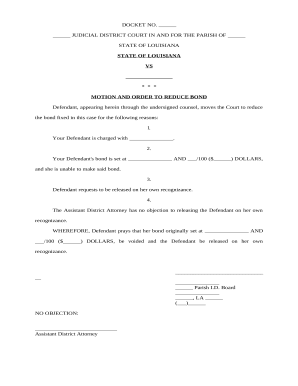
Definition & Meaning
The "AND ADVI CE FOR THE PARLI AMENT" form appears to be a document related to advisory functions for a parliamentary body. Although the specific details are not entirely clear, it typically involves providing policy recommendations, legislative critiques, or strategic advice to guide parliamentary decision-making. This form is instrumental in shaping legislative agendas and ensuring informed governance within a parliamentary system.
How to Use the AND ADVI CE FOR THE PARLI AMENT
To effectively utilize this form, individuals or entities must focus on compiling comprehensive insights and recommendations relevant to parliamentary activities. The process may involve:
- Identifying key issues or legislative topics.
- Gathering empirical data and expert opinions.
- Drafting structured advice with actionable recommendations.
- Submitting the completed form to the relevant parliamentary committee or office for consideration.
Steps to Complete the AND ADVI CE FOR THE PARLI AMENT
- Research and Data Collection: Begin by gathering relevant data and insights from reliable sources.
- Drafting Recommendations: Structure your advice in a clear, concise manner, aligning with parliamentary needs and protocols.
- Review and Revise: Ensure the document is free of errors and adheres to any specific guidelines or formats required by parliament.
- Submission: Follow the designated process for submitting the form, which may vary depending on jurisdictional requirements.
Who Typically Uses the AND ADVI CE FOR THE PARLI AMENT
Typically, this form is used by:
- Government officials and advisors involved in legislative processes.
- Policy analysts and researchers who provide expertise on specific issues.
- Advocacy groups and think tanks aiming to influence parliamentary decisions.
- Lawyers and experts who are consulted on legal matters concerning legislation.


Key Elements of the AND ADVI CE FOR THE PARLI AMENT
Critical components of the form may include:
- Issue Identification: Clearly outline the topic or challenge.
- Contextual Analysis: Provide background information and contextualize the issue within the current legislative framework.
- Recommended Actions: Propose feasible solutions or courses of action.
- Supporting Evidence: Include empirical data, case studies, or precedent as necessary.
Legal Use of the AND ADVI CE FOR THE PARLI AMENT
Legally, this form serves as an official document that aids in parliamentary decision-making and planning. It must comply with applicable parliamentary procedures and ethical standards. The document should also ensure confidentiality and uphold the integrity of sensitive information when necessary.
Required Documents
When preparing the AND ADVI CE FOR THE PARLI AMENT, ensure you have the following:
- Supporting research documents and bibliographies.
- Expert testimonials or affidavits if applicable.
- Previous parliamentary records that relate to the issues being addressed.
Important Terms Related to AND ADVI CE FOR THE PARLI AMENT
Understanding terms related to this form is essential for effective use:
- Legislative Framework: Rules and laws governing parliamentary procedures.
- Parliamentary Committees: Specialized groups within parliament that focus on specific legislative areas.
- Policy Recommendation: Suggested policies intended to address specific issues.
- Empirical Data: Data derived from observation or experimentation.
Examples of Using the AND ADVI CE FOR THE PARLI AMENT
- Policy Adjustments: Advising on amendments to existing laws to better address public needs.
- Strategic Planning: Offering advice on long-term legislative agendas and priorities based on future projections and trends.
- Crisis Intervention: Providing timely recommendations during emergencies to guide parliamentary responses.
Versions or Alternatives to the AND ADVI CE FOR THE PARLI AMENT
While the specific form might have variations depending on jurisdiction, alternative documents that serve similar purposes include:
- Advisory Reports from Think Tanks: Comprehensive papers that provide strategic insights and recommendations.
- Legal Advisory Memos: Short, focused documents produced by legal counsel to offer specific legislative advice.
Form Submission Methods (Online / Mail / In-Person)
The method for submitting the form can vary:
- Online Submission: If the parliamentary system allows, submitting the form through a secure online portal is efficient.
- Mail or In-Person: Traditional methods might be necessary in jurisdictions without digital submission processes.
Examples of Using the AND ADVI CE FOR THE PARLI AMENT
Specific scenarios could include advising on legislative reform for digital privacy laws or building frameworks for economic stimulus packages in response to a financial crisis. Such examples illustrate the form's utility in shaping public policy and supporting effective governance.
By understanding these blocks, you can gain a comprehensive insight into the intricacies and applications of the "AND ADVI CE FOR THE PARLI AMENT" form, ensuring its effective use within relevant parliamentary processes.