






Definition & Meaning
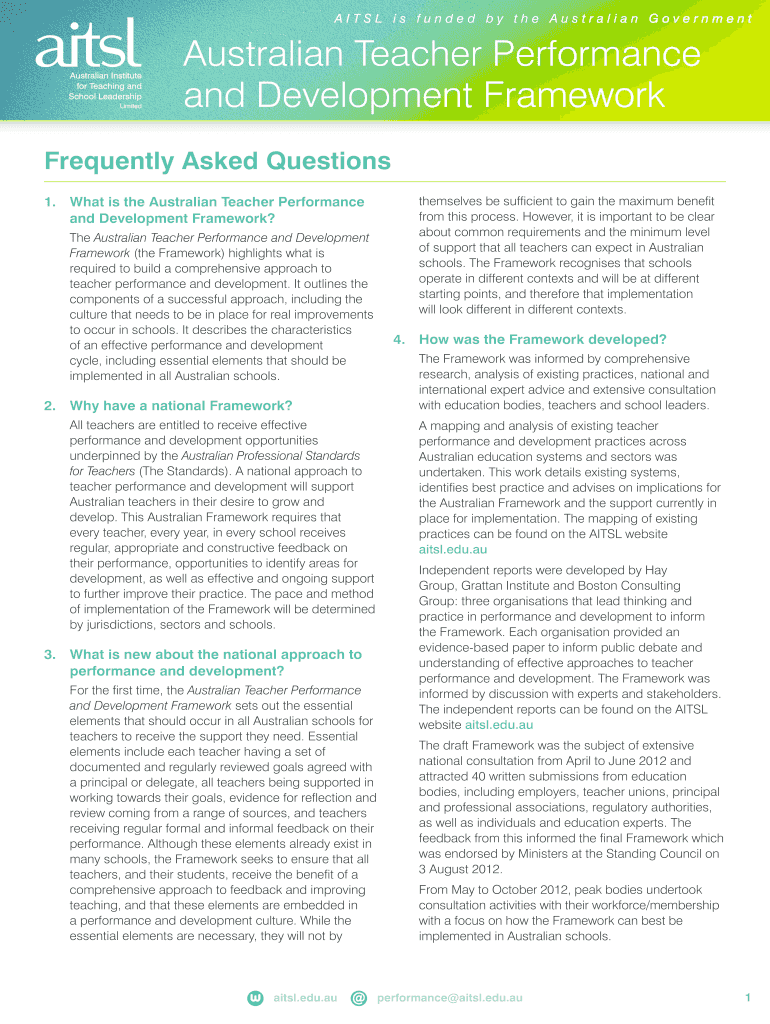
"A Background Paper to Inform the Development of - Semantic Scholar" serves as a foundational research document intended to guide the creation or enhancement of projects housed within Semantic Scholar. It is an informative resource that collates relevant data, trends, and insights, allowing stakeholders to make informed decisions. A background paper typically includes an overview of the subject, a summary of existing research, and identifies gaps or areas needing further investigation. For professionals and academics utilizing Semantic Scholar, this document acts as a crucial tool to align research objectives with achievable outcomes.
Key Elements of the Background Paper
The background paper comprises several critical components that contribute to its effectiveness:
- Introduction to the Topic: A concise overview of the subject area that sets the stage for the rest of the paper.
- Literature Review: Summarizes current research and existing literature, providing context and highlighting the scope of the study.
- Methodology: Outlines the research methods used to gather data, ensuring transparency and reproducibility.
- Findings: Presents the core results of the research conducted, supported by data and analysis.
- Conclusions and Recommendations: Discusses the implications of the findings and proposes actionable steps or further research areas.
Steps to Complete the Background Paper
-
Identify the Purpose: Clearly define what the paper aims to achieve and the problem it intends to address.
-
Conduct a Literature Review: Compile existing research and literature relevant to the topic to provide context and background.
-
Select Methodology: Choose appropriate research methods that align with the paper's objectives.
-
Data Collection: Gather necessary data through surveys, experiments, or archival research.
-
Analyze Data: Interpret the data using statistical tools, qualitative methods, or both to derive meaningful insights.
-
Draft the Report: Begin drafting the paper, integrating all findings, discussions, and references.
-
Review and Revise: Thoroughly review the paper for accuracy, coherence, and completeness before finalizing it.
Who Typically Uses the Background Paper
This document is primarily utilized by:
- Researchers: To support academic studies by providing a comprehensive overview of existing knowledge in a specific domain.
- Educators: To inform curriculum development and teaching strategies within educational institutions.
- Policy Makers: To support decision-making processes, ensuring that policies are grounded in solid research.
- Non-Profit Organizations: To guide program development and assess the needs within their areas of focus.


How to Use the Background Paper
To effectively utilize the background paper, follow these steps:
- Assess Alignment: Ensure the paper's contents align with your project's aims and objectives.
- Extract Key Information: Identify pertinent data, trends, and insights that can inform your project or research.
- Incorporate Recommendations: Implement any actionable recommendations provided within the paper to enhance your project's impact.
- Address Gaps: Use identified research gaps as opportunities for future studies or areas of improvement.
Legal Use of the Background Paper
Legal considerations for using the background paper include:
- Intellectual Property: Ensure adherence to copyright laws and proper attribution of sources.
- Data Privacy: Comply with privacy regulations when handling personal data obtained during research.
- Ethical Standards: Follow ethical guidelines throughout the research process, especially in methodology and data representation.
Software Compatibility
Background papers can be created and shared using several software tools, including:
- Word Processors: Such as Microsoft Word or Google Docs for drafting and editing.
- Data Analysis Software: Like SPSS or R for analyzing quantitative data.
- Reference Managers: Such as EndNote or Zotero to manage citations and references efficiently.
Important Terms Related to the Background Paper
Understanding terminology is crucial for effectively using the background paper:
- Abstract: A brief summary of the research paper's content, providing an overview of the main findings and conclusions.
- Hypothesis: A proposed explanation for a phenomenon, serving as the basis for further investigation.
- Qualitative Research: Research focused on understanding concepts, thoughts, or experiences.
- Quantitative Research: Research that relies on numerical data to generate statistics and conclusions.
Examples of Using the Background Paper
Practical applications include:
- Developing Academic Courses: Universities may use background papers to inform course content and learning outcomes.
- Policy Formation: Government agencies might reference these papers to draft evidence-based policies.
- Grant Proposals: Non-profit organizations can use the insights to justify the need for funding and clarify their project's objectives.
By dissecting the components, uses, and processes of a background paper, stakeholders across various fields can leverage Semantic Scholar's resources to maximize their research's effectiveness and impact.