






Definition and Meaning
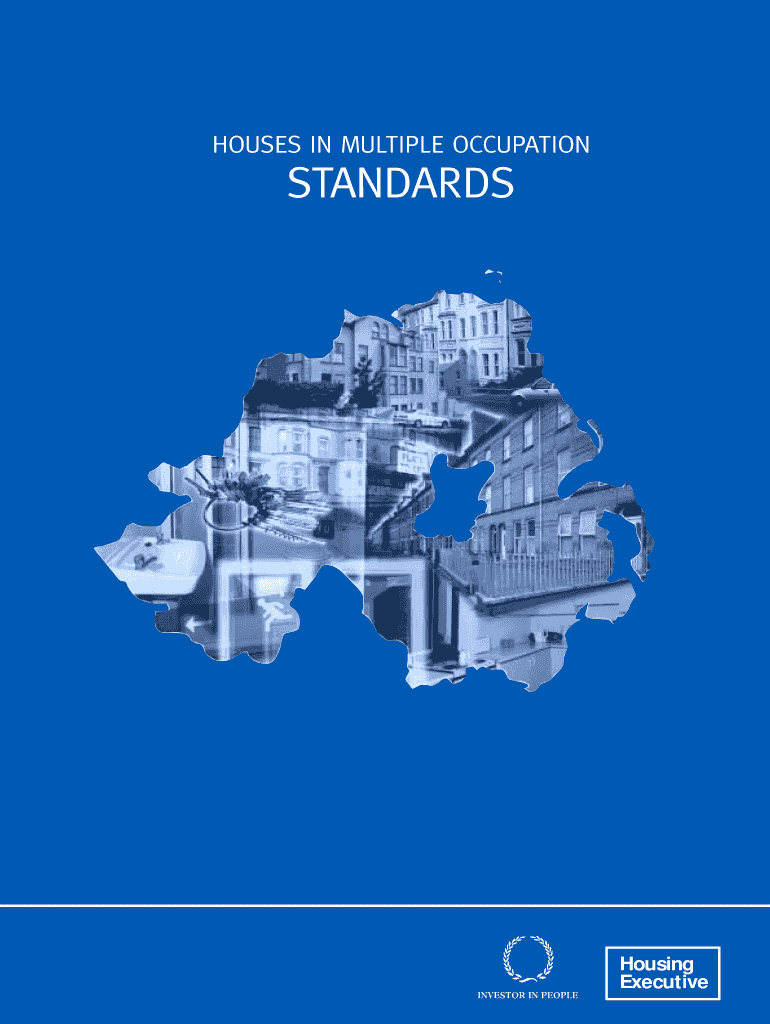
Houses in Multiple Occupation (HMOs) are properties rented out by at least three people who are not from the same household but share facilities like the bathroom and kitchen. The "Housing Executive" refers to the authority that establishes housing standards and regulations for these properties. The document titled "Houses in Multiple Occupation The Housing Executive (Touch)" defines the criteria and standards set by this executive body to ensure safe and suitable living conditions. HMOs are commonly found in urban areas where affordable housing is scarce, necessitating shared living arrangements.
Key Elements of the Houses in Multiple Occupation The Housing Executive
Understanding the key elements of the HMO standards requires reviewing several critical components:
- Housing Conditions: Ensures that the property is in a good state of repair and maintenance.
- Overcrowding Standards: Dictates the maximum number of occupants allowed based on room size and amenities.
- Facilities for Cooking and Sanitation: Requirements for adequate kitchen and bathroom facilities for the number of residents.
- Light and Ventilation: Specifies necessary window sizes and ventilation rates to maintain healthy living environments.
- Fire Safety Measures: A detailed outline of required smoke detectors, fire extinguishers, and escape routes.
- Human Habitation Standards: Ensures properties are suitable for humans, free from hazards, and have basic amenities like heating.
Legal Use of the Houses in Multiple Occupation The Housing Executive
The legal use of this document involves adhering to the statutory requirements for operating an HMO. Property owners and landlords must comply with all local housing safety and maintenance standards. The document serves as a comprehensive guide to ensuring your property meets legal obligations, reducing the risk of penalties or legal actions.
- Compliance: Property owners must regularly inspect their HMOs to ensure ongoing compliance.
- Licensing: Securing a license from the local authority is mandatory for operating an HMO.
- Record-keeping: Maintaining proper records of safety checks and maintenance work is crucial.
Steps to Complete the Houses in Multiple Occupation The Housing Executive (Touch)
- Review Documentation: Understand the scope and requirements mentioned in the Housing Executive document.
- Property Inspection: Conduct a thorough inspection to assess compliance with required standards.
- Remedial Actions: Address any deficiencies identified during the inspection.
- Submit Application: Submit completed forms and necessary documentation to the local housing authority for review.
- Obtain Approval: Await official confirmation and approval from the housing executive.
Who Typically Uses the Houses in Multiple Occupation The Housing Executive
This document is typically used by:
- Landlords: To ensure their properties comply with housing regulations and maintain suitable living conditions.
- Property Managers: To manage day-to-day operations of HMOs and ensure continuous compliance with standards.
- Local Authorities: To guide their inspections and licensing of HMOs within their jurisdictions.


State-Specific Rules for the Houses in Multiple Occupation The Housing Executive
While the overarching guidelines are consistent, certain states may impose additional regulations depending on local housing conditions:
- Fire Safety Regulations: States may have varying requirements for smoke alarms and fire escape routes.
- Occupancy Limits: Maximum numbers of residents per room might differ.
- Condition Inspections: Some states necessitate annual inspections by local housing authorities.
Important Terms Related to Houses in Multiple Occupation The Housing Executive
Familiarity with the following terms is beneficial:
- "HMO License": A legal authorization issued by a local council to operate an HMO.
- "Selective Licensing": A regime where specific areas require HMOs to be licensed.
- "Tenancy Agreement": A legally binding contract between landlord and tenant specifying terms of occupancy.
Penalties for Non-Compliance
Property owners who fail to meet the HMO standards can face several penalties:
- Fines: Local authorities may impose financial penalties for each breach of regulation.
- Revocation of License: Repeated non-compliance can lead to the withdrawal of the HMO license.
- Legal Action: Severe cases might involve court cases resulting in punitive damages.
Examples of Using the Houses in Multiple Occupation The Housing Executive
For practical application:
- Example 1: A landlord in New York consults the document to modify a building into a compliant HMO, particularly focusing on fire safety modifications.
- Example 2: A property management company uses the guidelines to conduct routine checks ensuring that properties meet all regulatory requirements.
- Example 3: An HMO tenant reviews housing conditions outlined in the document to ensure their living space is up to the expected standard.
Software Compatibility
This form is compatible with various document management and editing tools, including but not limited to:
- DocHub: For seamless editing, signing, and sharing of the form.
- Google Workspace: Integration for easy import and export of form-related documents.
- Microsoft Office Suite: To view, edit, and store form information in your preferred file format.