






Definition and Meaning of the Continence Awareness and Support Project
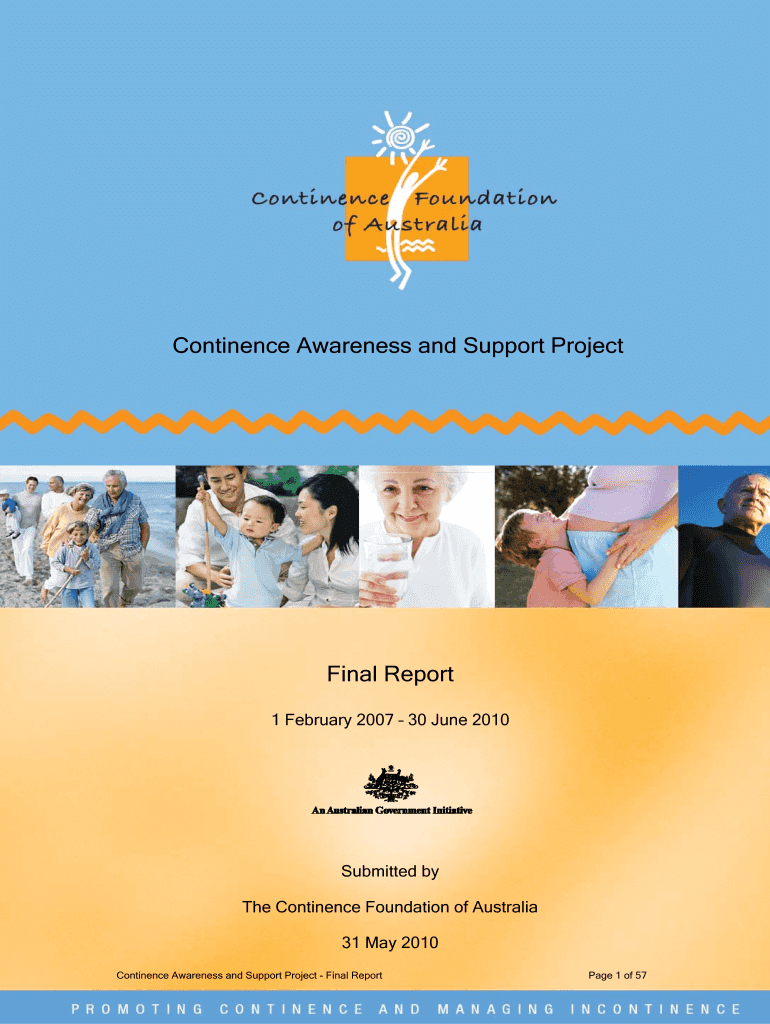
The Continence Awareness and Support Project (CASP) was an initiative aimed at raising awareness about incontinence, educating individuals about treatment options, and enhancing access to support services. Managed under the Continence Foundation of Australia from 2007 to 2010, the project targeted both public and healthcare professionals to broaden the understanding of continence issues. Strategies included educational forums, collaborations with healthcare agencies, and campaigns like Continence Awareness Week. CASP was designed to demystify incontinence, promote health literacy, and ensure that affected individuals can access and utilize necessary support systems effectively. The project underscores the importance of addressing continence as a significant public health priority.
How to Use the Continence Awareness and Support Project
Utilizing the resources and outcomes of the Continence Awareness and Support Project involves accessing educational materials and support services. Interested individuals can engage with resources from the National Continence Helpline, which became a vital component of CASP. The helpline offers free advice and guidance from qualified healthcare professionals, helping individuals understand continence issues and available treatments. Furthermore, community organizations and healthcare providers can implement materials and findings from the project to enhance local awareness campaigns and educational initiatives, creating a ripple effect that extends the project's reach and impact in promoting continence health.
Steps to Complete the Continence Awareness and Support Project
Completing or engaging with the Continence Awareness and Support Project’s initiatives involves several steps.
-
Engage with Educational Resources: Participants were encouraged to attend forums and workshops that CASP organized. These events provided valuable insights into continence care and management.
-
Access the National Continence Helpline: Individuals could utilize this helpline for advice and support regarding continence issues. This line served as a direct channel for obtaining information and connecting with healthcare services.
-
Participate in Awareness Campaigns: Continence Awareness Week was a key campaign under CASP. Participation involved disseminating information, attending events, and contributing to discussions on continence health.
-
Collaborate with Related Agencies: CASP emphasized collaboration with other health-related agencies to enhance the delivery of continence services. Partners could integrate CASP materials and strategies into their practice.
Key Elements of the Continence Awareness and Support Project
CASP consisted of several core components aimed at achieving its objectives.
- National Continence Helpline: A focal point for delivering information and support.
- Educational Forums and Workshops: These events provided crucial knowledge transfer and skill-building opportunities.
- Collaboration with Healthcare Agencies: By forming partnerships, CASP broadened its influence and enhanced service delivery.
- Health Promotion Campaigns: Initiatives like Continence Awareness Week increased public engagement and disseminated key messages about incontinence management and prevention.
Examples of Using the Continence Awareness and Support Project
Several real-world scenarios demonstrate the application of CASP.
- Healthcare Practitioner Training: Through educational forums, healthcare providers were equipped with up-to-date information on incontinence treatment and management.
- Public Engagement: Continence Awareness Week enabled community groups to raise awareness about continence issues locally, improving public understanding.
- Increased Helpline Usage: The widespread promotion of the National Continence Helpline led to more individuals accessing services and receiving the support they needed.
Legal Use of the Continence Awareness and Support Project
CASP was conducted within a framework that respected privacy and promoted ethical engagement with health resources.
- Compliance with Health Regulations: All activities related to CASP adhered to national health guidelines to ensure that information dissemination and service provision complied with legal and ethical standards.
- Data Protection: The project maintained rigorous protocols to protect personal information shared through the helpline and other services.
Important Terms Related to the Continence Awareness and Support Project
Understanding CASP involves familiarizing oneself with several key terms related to continence management.
- Incontinence: The inability to control urination or defecation, which CASP aimed to address through various support strategies.
- Continence Management: The strategies and practices developed to assist individuals in managing and overcoming incontinence.
- Educational Forums: Events organized under CASP to disseminate knowledge and skills for managing continence.
State-specific Rules for the Continence Awareness and Support Project
While CASP was primarily an Australian initiative, similar projects in the U.S. would need to consider state-specific regulations concerning health data and privacy.
- Health Data Compliance: Any similar U.S.-based project must ensure adherence to federal HIPAA regulations and state-specific health data protection laws.
- Program Implementation: Adjustments to awareness campaigns and educational programs may be needed to align with local healthcare policies and practices.