Prisoners under the civil rights act 42 usc 1983 fill in form-2026

Get Form
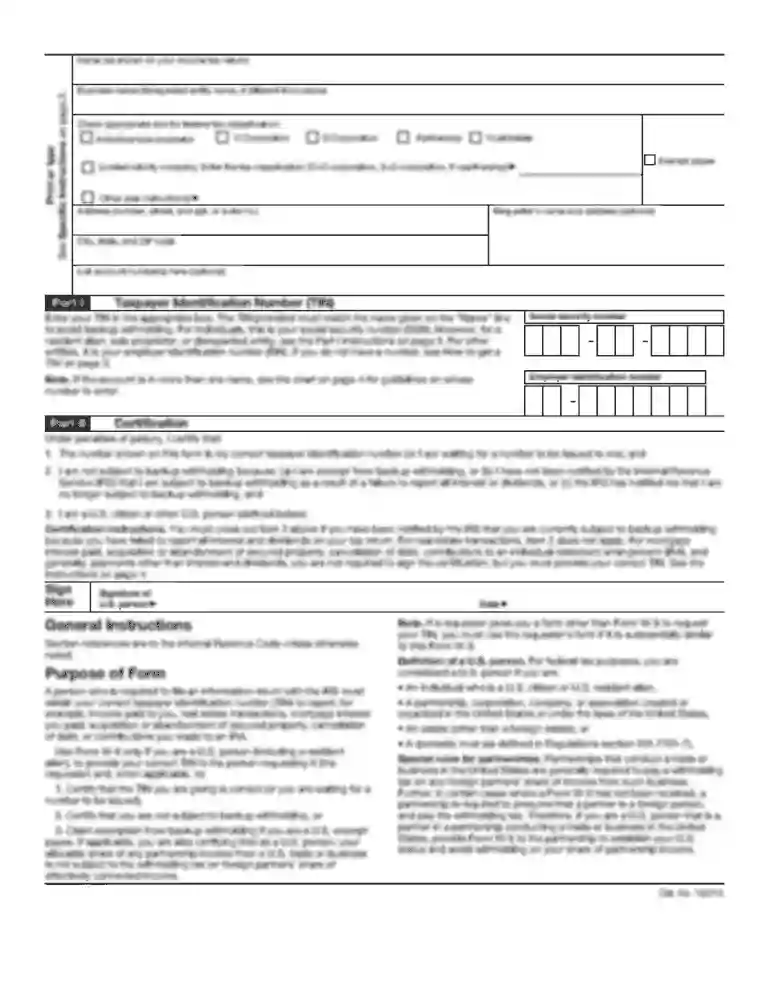
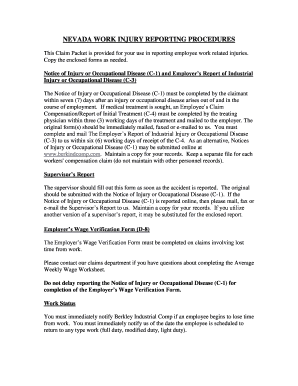
prisoners under the civil rights act 42 usc 1983 fill in form Preview on Page 1

Here's how it works

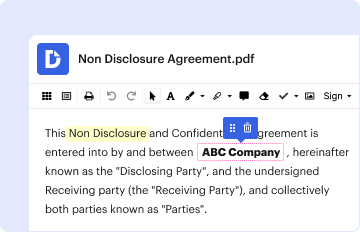
01. Edit your form online
Type text, add images, blackout confidential details, add comments, highlights and more.

02. Sign it in a few clicks
Draw your signature, type it, upload its image, or use your mobile device as a signature pad.

03. Share your form with others
Send it via email, link, or fax. You can also download it, export it or print it out.

Definition & Purpose of 42 U.S.C. § 1983 Form

The "prisoners under the civil rights act 42 U.S.C. § 1983 fill in form" is a legal document used by prisoners to file civil rights complaints against state actors under the United States Code Title 42, Section 1983. This provision allows individuals to sue for violations of their constitutional rights when inflicted by persons acting under state authority. It serves as an essential mechanism for prisoners to seek redressal for grievances such as abuse, mistreatment, or denial of their rights while imprisoned.

How to Obtain the Form

Obtaining the 42 U.S.C. § 1983 form typically involves accessing court resources or legal assistance programs. Here are the common methods:

  • Court Websites: Most federal court sites provide access to the form. Search for your specific district court's website for downloadable versions.
  • Legal Aid Organizations: Non-profit organizations may offer printed copies or electronic versions to prisoners or their families upon request.
  • Prison Libraries: Many detention facilities have a library where legal documents, including the 1983 form, might be available for inmate use.
  • Attorney Assistance: If represented by legal counsel, they can provide the necessary paperwork.

Steps to Complete the Form

Filing the 42 U.S.C. § 1983 form requires careful completion to ensure acceptance. Follow these steps:

  1. State Basic Information: Include your name, prisoner identification number, and details of your imprisonment.
  2. Describe the Incident: Clearly outline the events leading to your civil rights complaint, specifying dates, times, and locations.
  3. Identify Defendants: List individuals or entities responsible, ensuring you include their official capacity.
  4. Explain Rights Violated: Specify which constitutional or legal rights were infringed upon during the incident.
  5. Seek Relief: Articulate the type of relief or remedies you are seeking, such as damages or injunctions.
  6. Review and Sign: Ensure that all sections are thoroughly reviewed for accuracy before signing the form.

Who Typically Uses the Form

The 42 U.S.C. § 1983 form is primarily used by:

  • Prisoners: Individuals within state prisons who experience rights violations use this form to file complaints.
  • Former Inmates: Those recently released may also use it if the incident occurred while incarcerated.
  • Legal Advocates: Lawyers and legal counselors often assist their clients in filing and submitting these documents.
decoration image ratings of Dochub

Key Elements of the Form

Understanding the critical components of the form is crucial for accurate completion:

  • Plaintiff Details: Comprehensive information about the individual filing the complaint.
  • Nature of the Case: Specific violations and descriptions.
  • Claims for Relief: Detailed explanation of the sought outcomes such as monetary compensation or specific policy changes.

Legal Use and Implications

Using the form legally means adhering to guidelines:

  • Filing Fees: Must typically be accompanied by a filing fee unless an in forma pauperis waiver is approved due to financial constraints.
  • Jurisdiction: Complaints must be filed in the appropriate jurisdiction—usually where at least one of the defendants resides or the action occurred.
  • Statute of Limitations: Complaints must be filed within a specific time frame after the alleged violation, typically varying by state.

Important Terms Related to the Form

Familiarize yourself with relevant legal terminology:

  • Civil Rights: Fundamental rights guaranteed under the constitution.
  • In Forma Pauperis: A legal status allowing someone to proceed without court fees due to indigence.
  • Defendant: The party against whom the lawsuit is filed.

State-Specific Rules

Each state may have unique procedures for handling 1983 claims:

  • Filing Locations: Specific courthouses or districts may be designated for such complaints.
  • Procedural Variances: Additional forms or documentation might be required depending on the state.

Examples of Using the Form

Examples illustrate common cases where the form is applicable:

  • Physical Abuse: Filing against prison staff for excessive force or abuse.
  • Medical Neglect: Complaints regarding the denial of essential medical treatment.
  • Discrimination: Claims based on racial or religious discrimination within the correction facility.

Selecting the appropriate blocks focusing on the requirements of prisoners using the civil rights act form ensures comprehensive guidance and legal accuracy for individuals seeking justice.

be ready to get more

Complete this form in 5 minutes or less

Get form

Got questions?

We have answers to the most popular questions from our customers. If you can't find an answer to your question, please contact us.
Contact us
However, the law also provides certain civil rights for inmates, even in jail or prison. Some rights, such as the right to be free from cruel and unusual punishment, arise specifically due to the persons inmate status. Others, such as the right to due process of law, apply to everyone.
Section 1983 empowers individuals to sue state/local officials for violating their constitutional rights, like freedom of speech, religion, due process, and protection against unreasonable searches. Seek damages, injunctions, or attorneys fees for violations.
You may file a civil rights action under 42 U.S.C. 1983 to challenge federal constitutional or statutory violations by state actors which affect the conditions of your confinement. A 1983 action may not be used to challenge the length of your sentence or the validity of your conviction.
Most district courts also have a packet of forms that it will send for free to people in prison who want to file actions pro se (without a lawyer). You can write a letter to the court clerk explaining that you are in prison and are requesting forms for a 42 U.S.C. 1983 action.

Security and compliance

At DocHub, your data security is our priority. We follow HIPAA, SOC2, GDPR, and other standards, so you can work on your documents with confidence.

Learn more
ccpa2
pci-dss
gdpr-compliance
hipaa
soc-compliance
be ready to get more

Complete this form in 5 minutes or less

Get form