Definition & Meaning
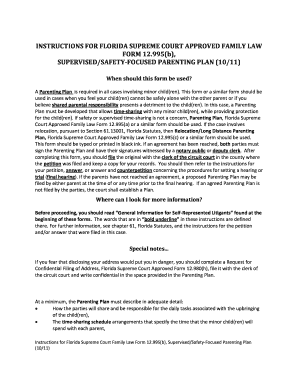
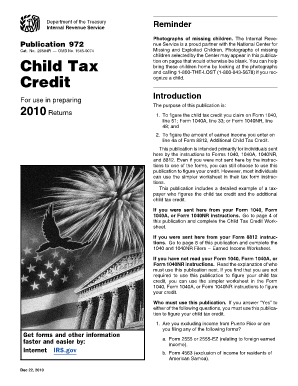
The term "form online" refers to a digital document that can be filled out, submitted, or signed over the internet. Unlike traditional paper forms, these digital versions can be accessed and managed through various online platforms or software. They offer numerous advantages such as ease of access, convenience, and real-time updates. Forms online eliminate the need for physical handling, reducing the time and resources required for processing.
How to Use the Form Online
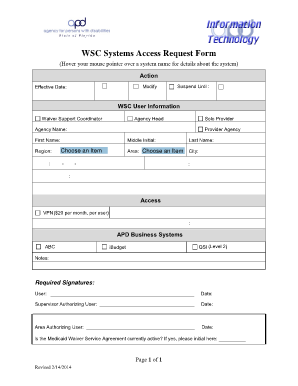
Using an online form typically involves a few straightforward steps. First, users must access the form via a web platform or a link provided by the issuing body. Next, they will need to fill in their required information, which may include personal details, choices, or preferences related to specific services or requirements. Online platforms often provide tools for annotating, signing, and submitting the form. For example, DocHub offers comprehensive editing capabilities, enabling users to modify fields, annotate with comments, and securely affix digital signatures. Once completed, the form can be submitted directly through the platform, sent as an email attachment, or exported to cloud storage services like Google Drive.
Steps to Complete the Form Online
- Access the Form: Navigate to the relevant website or platform hosting the form. Ensure you have the necessary permissions or credentials if required.
- Review Instructions: Read through any associated guidelines or instructions to ensure you understand what information is required.
- Fill in the Information: Enter the necessary data in the designated fields. This may include text, checkboxes, or dropdown menus, depending on the form's design.
- Add Annotations: Use annotation tools if there's a need to add comments or clarify certain sections.
- Sign the Document: Use the platform's electronic signature feature to legally sign the document. This could involve drawing, typing, or inserting a saved signature.
- Verify Details: Double-check all entered information and ensure all fields are correctly filled.
- Submit the Form: Choose the appropriate submission method, such as direct submission through the platform, emailing it to the concerned party, or saving it for future reference.
Who Typically Uses the Form Online
Forms online are utilized by a broad range of users including individuals, businesses, educational institutions, and government agencies. Individuals often use them for tax filings, applications, and claims. Businesses leverage online forms for contract agreements, internal reporting, and data collection. Educational institutions might use them for student enrollment or staff evaluations. Furthermore, government agencies adopt online forms for applications, renewals, and compliance reporting, streamlining their interaction with the public.


Important Terms Related to Form Online
- Electronic Signature: A digital form of a hand-drawn signature used to verify the identity of the signatory of a form.
- Fillable Fields: Sections within a form that permit user input, including text boxes, dropdowns, and checkboxes.
- Encryption: A security process that protects data within the form, ensuring that sensitive information remains confidential.
- OAuth 2.0: An authentication protocol that provides secure access to a user’s data without exposing their password.
Legal Use of the Form Online
Forms completed online often serve as legally binding documents when they comply with specific guidelines such as the ESIGN Act in the United States. This ensures that the forms are recognized in legal settings akin to their paper counterparts. Electronic signatures, if executed correctly on these forms, hold the same legal weight as handwritten signatures. However, it is crucial for users to verify that their digital forms adhere to legal standards, which include correct identification and signature protocols.
Key Elements of the Form Online
- User-Friendly Interface: Platforms hosting online forms should provide an intuitive interface, simplifying navigation and completion.
- Data Collection Fields: These fields are essential for capturing necessary information, ranging from contact details to specific selections.
- Security Measures: Implementations like SSL encryption ensure that data is transferred and stored securely.
- Submission Capabilities: The ease of submission, whether through direct upload or email, is a vital component of any online form.
State-Specific Rules for the Form Online
Depending on the jurisdiction, specific rules and regulations may apply to forms completed online. For instance, certain states in the U.S. have additional compliance requirements for e-signatures and data security. It is important for individuals and organizations to be aware of and comply with these nuances to ensure the validity and enforceability of their online forms.
Examples of Using the Form Online
Consider a retiree in Montgomery County who is enrolling for benefits using the MCPS Form 455-22. The retiree can access this form through an online portal, fill it out with the necessary personal details and coverage selections, sign it electronically, and submit it back to the Employee and Retiree Service Center. This streamlined online process not only reduces paperwork but also ensures that essential deadlines are met efficiently.