



Definition and Purpose of a New Starter Form
A new starter form is a standardized document used by organizations to collect essential personal and administrative information from new employees or learners. While its specific format and fields may vary across institutions, it typically gathers data needed for onboarding, such as contact information, emergency contacts, and relevant health-related notes. This form is integral in ensuring a smooth transition for newcomers, streamlining the administrative processes, and complying with regulatory requirements.
How to Use the New Starter Form
Using the new starter form effectively involves several key steps. Initially, ensure that all mandatory fields, such as personal details and emergency contact information, are filled out accurately. For forms related to specific activities like swimming lessons, make sure to include any health-related notes that might impact participation. After completion, review the information for accuracy and completeness before submission to the relevant department for processing.
Step-by-Step Process
- Gather Required Information: Before beginning, collect all necessary details, including emergency contacts and health notes.
- Complete Mandatory Fields: Fill out all required sections accurately to ensure smooth processing.
- Review for Accuracy: Double-check entries to prevent errors that might delay onboarding.
- Submit the Form: Depending on the organization's process, submit the form digitally or in paper format.
Obtaining the New Starter Form
To obtain a new starter form, check with your organization's onboarding or human resources department. Many forms are available online through the company's internal portal, or they may be provided as part of an onboarding packet. If online access is unavailable, a hard copy should be provided upon request by the administrative office responsible for new entrants.
Key Elements of the New Starter Form
The new starter form includes several critical sections to be completed by new entrants:
- Personal Information: Full name, date of birth, address, and contact details.
- Health-Related Notes: Details of any medical conditions or allergies that could affect participation in activities.
- Emergency Contact Information: At least one emergency contact's name, relationship, and phone number.
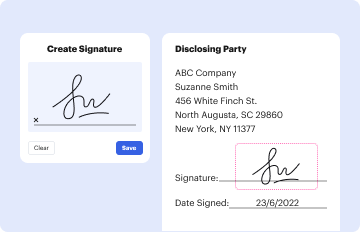
- Signature Field: Confirmation of all provided details with a signature, which can be physical or digital.
Legal Use and Compliance
The completion and use of a new starter form must adhere to legal guidelines that protect personal information. In the United States, forms should comply with regulations such as GDPR and HIPAA if sensitive data, especially health-related information, is collected. Ensuring that all collected data is securely stored and used solely for its intended purpose is crucial for maintaining compliance.
Who Typically Uses the New Starter Form
The new starter form is primarily used by organizations during the onboarding process. This includes businesses hiring new employees and educational or recreational institutions enrolling new learners. The form serves as a foundational document to set up new members in an organization's system, allowing for customized interaction and service delivery.

Steps to Complete the New Starter Form
Completing a new starter form involves a structured approach:
- Read Instructions Carefully: Understand what each field requires to ensure precise completion.
- Fill Out Personal Details: Start with basic information such as name, address, and contact numbers.
- Provide Health and Emergency Contacts: Detail any health issues and list emergency contacts to complete the essential sections.
- Validate Data: Cross-check all entered information for errors or omissions.
- Submit and Archive: Submit the form as directed and retain a copy for personal records.
Importance of Completing the New Starter Form
Filling out a new starter form is vital for several reasons. It facilitates a seamless introduction to an organization by providing necessary information for setting up payroll, security access, and benefits enrollment. Additionally, it serves as a record for any health accommodations needed, ensuring a safe environment for activities. Accurate completion of this form enables organizations to offer personalized support and comply with legal responsibilities.