





Definition and Meaning of 'Form Online'
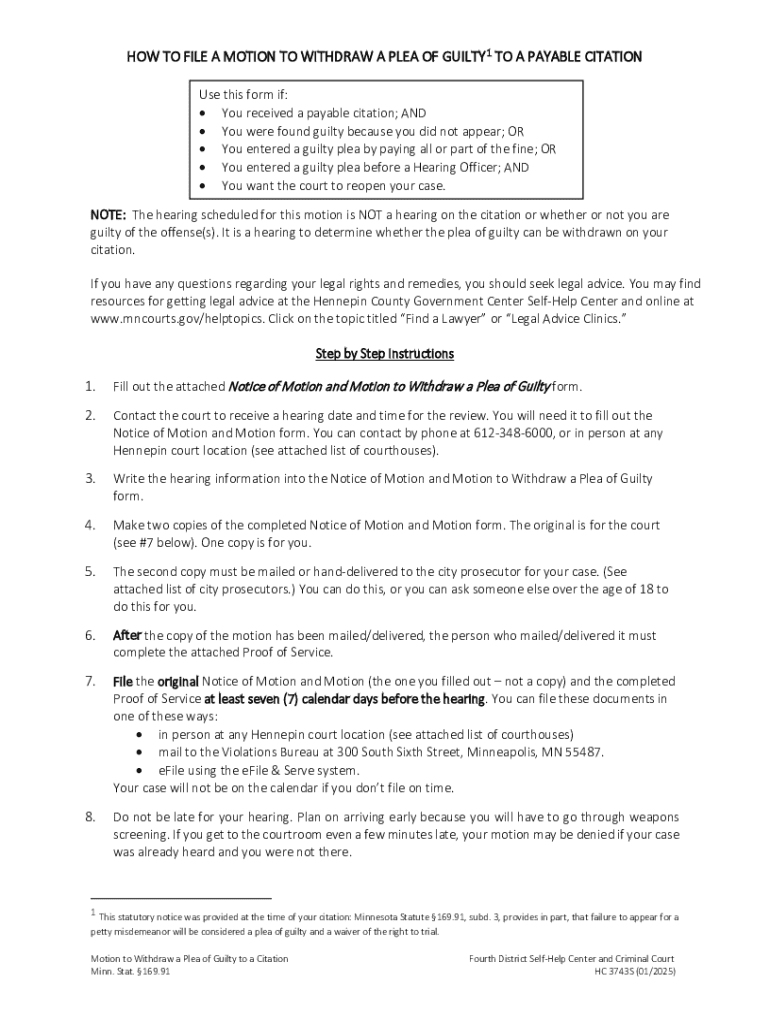
The term "form online" refers to digital forms available through internet platforms that individuals and organizations can fill out, submit, and manage electronically. This approach eliminates the need for physical copies and allows for a more efficient way to gather and process information. Online forms can range from simple contact forms to complex applications like tax submissions or legal documents.
Electronic forms are designed to capture data accurately and efficiently. They often include features that ensure users enter information correctly, such as drop-down menus, checkboxes, and required fields. Online forms are widely used by businesses, educational institutions, and government agencies to improve data collection processes and enhance user experience.
How to Use Forms Online
Using an online form involves several straightforward steps, which can vary based on the complexity of the form.
- Access the Form: Locate the form on the relevant website or platform. This often involves navigating to the specific page designated for the form.
- Fill Out Required Information: Enter necessary information into the provided fields. Use guided instructions and in-form tips to ensure accurate completion.
- Review and Validate: Before submission, review all entered data for accuracy and completeness. Many platforms offer an option to preview the final form.
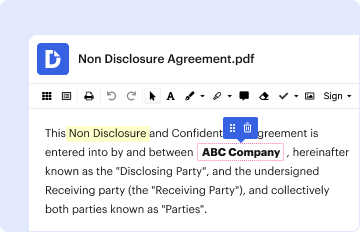
- Submit the Form: Click the submission button to send your completed form to the intended recipient. Some systems provide a confirmation email or reference number after submission for tracking purposes.
Steps to Complete the Form Online
Completing an online form effectively requires a systematic approach:
- Prepare Necessary Information: Gather all required documents and details before starting. This includes identification numbers, relevant dates, and other pertinent data.
- Follow the Instructions: Pay attention to any specific instructions provided within the form interface. Instructional prompts can guide you through complex sections.
- Utilize Assistance Features: Take advantage of help options, such as chat support or FAQs, if you encounter difficulties.
- Make Use of Autosave: Many online forms include an autosave feature, which helps prevent data loss. Ensure that this feature is activated if available.
- Submit Before Deadline: Be mindful of submission deadlines to avoid penalties or delays in processing.
Why Should You Use Forms Online
Utilizing online forms offers numerous advantages over traditional paper forms:
- Convenience: Access forms anytime and anywhere, eliminating geographical restrictions.
- Efficiency: Real-time data processing speeds up response times and reduces administrative tasks.
- Accuracy: Built-in validation features minimize errors, ensuring more reliable data collection.
- Cost-Effectiveness: Reduces paper usage and associated costs, providing an environmentally friendly alternative.
Required Documents for Online Form Submission
The documents required for online form submission largely depend on the form's purpose and issuing authority. Commonly required documents can include:
- Identification: Government-issued ID, such as a driver's license or passport.
- Proof of Address: Recent utility bill or lease agreement.
- Financial Records: This may involve bank statements or tax documents when fiscal data is needed.
- Supporting Materials: Any relevant documents supporting the information provided in the form, such as transcripts or certificates.
Legal Use of Forms Online
Online forms are legally binding under certain conditions. Ensuring their legality involves:
- Compliance with Legal Standards: Forms must adhere to applicable laws, such as privacy and data protection regulations.
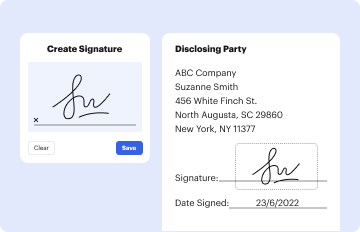
- Electronic Signatures: Many platforms support electronic signatures, which are recognized as legally binding under the ESIGN Act.
- Audit Trails: Maintaining a digital record of form submissions can provide evidence of compliance and authenticity in case of legal scrutiny.
Key Elements of the Form Online
There are several crucial elements involved in effectively utilizing an online form:
- User Interface Design: Ensures ease of use and facilitates accurate data entry.
- Data Security Features: Protects sensitive information with encryption and secure access protocols.
- Adaptive Functionality: Accommodates various devices and screen sizes for a seamless user experience.
- Customizable Fields: Allows form creators to tailor the form based on specific requirements.
Examples of Using Forms Online
Online forms serve various functions across different sectors. Some practical applications include:
- Job Applications: Streamlining the hiring process by allowing candidates to submit applications from any location.
- Customer Feedback: Collecting customer opinions quickly and efficiently, helping businesses improve their services.
- Event Registrations: Managing attendee registrations for conferences or workshops, offering real-time updates and confirmations.
- Government Services: Facilitating access to services such as tax filing and permit applications without the need for in-person visits.
State-Specific Rules for Forms Online
Each state may have unique regulations and standards for online forms, particularly concerning data protection and submission protocols:
- Compliance Requirements: Understanding state-specific digital submission regulations can prevent legal issues.
- Localized Content: Some forms may require state-specific information or adapt to local laws and tax codes.
- State-Sponsored Platforms: Certain states provide dedicated online platforms for residents to access and submit official forms easily.
Ensuring you are fully aware of your specific state's requirements is crucial for the successful and compliant use of online forms.