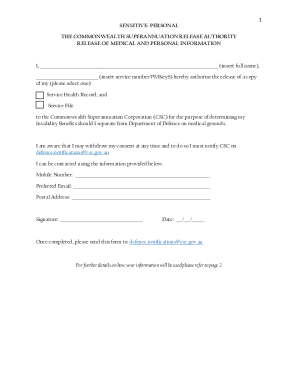
Definition & Purpose of the Verification of Ownership Form
The Verification of Ownership form in Albany, GA, serves a crucial function for property owners within the region. This document verifies the legitimate ownership of property by requiring multiple pieces of pertinent information. Each field filled on this form helps establish a clear record which can be used in various legal and administrative processes. The form is often utilized in situations where the transfer of property, application for zoning changes, or other ownership-related concerns arise.
Typically, the form includes sections for the property or landowner's name, address, and contact details. In addition to these personal identifiers, it also necessitates signatures from all involved parties to confirm their status as owners. For added legal support, a notarization section is included, indicating the form's authenticity and adherence to legal standards.
How to Use the Verification of Ownership
Using the Verification of Ownership form involves several steps aimed at ensuring all information provided is accurate and complete. This process is essential in maintaining the form's legal integrity and utility.
-
Gather Required Information: Collect all necessary data points including names, addresses, and contact details of all property owners. It’s crucial that this information is accurate and up-to-date.
-
Complete the Form: Carefully fill out the form, ensuring that all sections are appropriately completed. Take time to verify every field to avoid typographical errors or omissions.
-
Notarization: Once filled, the form must be notarized. This step provides additional legal validity to the document, safeguarding against fraudulent claims of ownership.
-
Submission: Once notarized, submit the form to the relevant county office in Albany, GA. This can typically be done either in person or by mail, depending on local processes.
Key Elements of the Verification of Ownership Form
The Verification of Ownership form comprises several critical components essential for its function:
-
Owner Identification: Names, addresses, and contact details are necessary to identify each owner associated with the property.
-
Signatures: The form requires signatures from all owners, reinforcing each person's claim and confirmation of ownership.
-
Notarization Section: This ensures the form's authenticity, adding a legal layer that verifies the identity and the intent of the signatories.
-
Designation of Authority: A section that allows property owners to authorize an individual to act on their behalf, often needed for submitting supporting documents or engaging in transactions related to the property.
Legal Use and Considerations
The Verification of Ownership form has several legal applications which are essential for maintaining property rights and facilitating transactions:
-
Confirmation of Ownership: Serves as definitive proof of ownership, often required when disputes arise or when negotiating the sale or transfer of property.
-
Legal Documentation: Acts as an official record that can stand in for court procedures, zoning applications, or other civil needs related to property rights.
-
Authorization for Actions: Provides legal backing for authorized persons to act on behalf of the property owners in certain transactions or negotiations.
The document must be filled out correctly and notarized to ensure it holds up under legal scrutiny.
Steps to Complete the Verification of Ownership Form
-
Review the Instructions: Careful examination of the form’s instructions ensures full compliance with required protocols.
-
Fill Out Owner Information: Each owner must list their full name, address, and contact details.
-
Signature Section: Make sure all owners provide their signatures as a testament to their claim and consent regarding the property.
-
Complete Notarization: Have the form notarized to add an official seal of authenticity and verify the identities of the signing parties.
-
Submit Form: Deliver the completed form according to county regulations, usually by mail or in person.
Submission Methods for the Verification Form
There are multiple ways to submit the Verification of Ownership form, each with its own benefits depending on the submitter’s preference and urgency of the request:
-
Online Submission: Many counties provide an electronic submission process that streamlines submission and reduces processing time. Ensure all scanned copies are clear and legible.
-
Mail Submission: Traditional mail can be used to send physical copies of the form. This method is reliable but might take longer due to mail processing times.
-
In-Person Submission: Delivering the form directly to the relevant office ensures immediate receipt and provides an opportunity for personal assistance if needed.
Who Typically Uses the Verification of Ownership Form
The form is specifically vital for:
-
Property Owners: Individuals or entities owning real estate who wish to maintain clear records of ownership or require such documentation in transactions.
-
Real Estate Agents: Professionals responsible for facilitating property transactions who need to verify seller ownership.
-
Legal Representatives: Attorneys or legal advisors handling matters related to property disputes, sales, or inheritance.
The verification of ownership form ensures the legitimacy and clarity needed in property dealings, making it a critical tool for a wide range of professionals and individuals involved in real estate.