Definition & Meaning
The "Budget Request: Fire Department: % Change 251 Motor Fuels" pertains to a specific line item within the fire department's budget documentation. It reflects the proposed budget allocation for motor fuels, crucial for the operation of fire department vehicles such as fire engines and support cars. The percentage change indicates the difference between the current and the previous fiscal year, highlighting the department's need for adjustments due to factors such as fuel price fluctuations or changes in operational demand.
Key Elements of the Budget Request
The budget request form includes several critical sections to capture comprehensive financial details:
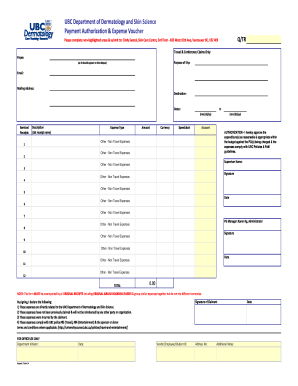
- Income Sources: Lists all potential revenues that offset expenses, such as grants, donations, or service fees.
- Expense Categories: Divides costs into sections like salaries, benefits, supplies, motor fuels, and maintenance.
- Actual vs. Requested Amounts: Shows the current year's actual spending alongside next year's requested amounts to provide a clear financial overview.
- Percentage Change: Compares new budget requests to previous allocations to identify significant variations.
- Rationale for Changes: Presents reasons for budget increases or decreases, such as new equipment needs or more efficient practices.
Steps to Complete the Budget Request
- Gather Data: Collect historical expenditure data and project future needs based on operational requirements.
- Analyze Trends: Assess market conditions, such as expected fuel price changes, that could impact budget estimates.
- Calculate Needs: Determine the fire department’s fuel requirements using previous usage rates and anticipated operational changes.
- Fill Out Form: Enter data accurately in the budget request form, paying careful attention to the "% Change 251 Motor Fuels" section.
- Review & Adjust: Identify any inconsistencies or errors and adjust to ensure accuracy.
- Submit for Approval: Forward completed documents to relevant authorities for review and approval within the specified timeframe.
How to Use the Budget Request
The form is used to formally request funding from municipal or governmental bodies. It supports budget planning by justifying the requested allocations based on operational demands and market conditions:
- Alignment with Strategic Goals: Ensure fuel budgets align with the department’s overall strategic objectives, such as response time improvements.
- Documentation for Audits: Provides a transparent financial trail that aids auditing processes and accountability.
- Facilitation of Internal Discussions: Helps facilitate discussions with governmental or city budget committees by laying out detailed and specific financial needs.
Important Terms Related to Budget Requests
- Fiscal Year: The 12-month period over which budgets are measured.
- Expenditure: The cost incurred by the department, in this case, specifically for motor fuels.
- Budget Variance: The difference between budgeted and actual amounts, indicating potential financial strategy adjustments.
Reasons for Requesting Budget Changes
The primary reasons to request changes in the budget line for motor fuels include:
- Fuel Price Increases: Higher fuel prices require an increase in budget allocation to maintain service levels.
- Operational Expansion: More vehicles or increased service radius demands more fuel.
- Efficiency Measures: Investment in more efficient vehicles may reduce the budget despite an increase in service demands.
Examples of Using the Budget Request Form
- Urban Fire Department: A city-based department might use the form after expanding its service area to accommodate new residential developments, requiring more fuel.
- Rural Volunteer Firefighter Group: A rural department that receives grants or local taxes would use the form to reflect changing funding needs, like replacing older vehicles.
State-Specific Rules for Budget Requests
While state-specific rules may vary, typically, the budget request process adheres to certain guidelines:
- Submission Deadlines: Different states have distinct timelines for submitting budget requests.
- Approval Protocols: Specific chains of command may govern the approval process within each region.
- Disclosure Requirements: Certain states require additional financial disclosures to justify requests, emphasizing transparency and accountability.
Penalties for Non-Compliance
Failure to comply with the budget submission guidelines or inaccuracies can lead to significant consequences:
- Delayed Funding: Inaccurate submissions can cause funding delays, impacting operations.
- Financial Audits: Non-compliance can trigger detailed audits, potentially discovering other financial discrepancies.
- Budget Cuts: Continuous non-compliance may result in reduced funding in future cycles as a punitive measure to ensure alignment with expectations.
Digital vs. Paper Version
Both digital and paper versions of the form may be available, with the digital version offering several advantages:
- Ease of Editing: Digital forms can be easily updated with new data inputs.
- Immediate Submission: Facilitates instant submission and reduces lead time.
- Error Reduction: Automated calculations in digital forms reduce the likelihood of arithmetic errors.
By covering these critical components, a comprehensive understanding of the "Budget Request: Fire Department: % Change 251 Motor Fuels" can be achieved, ensuring effective utilization and submission to meet operational needs.