





Definition and Meaning of "Form Online"
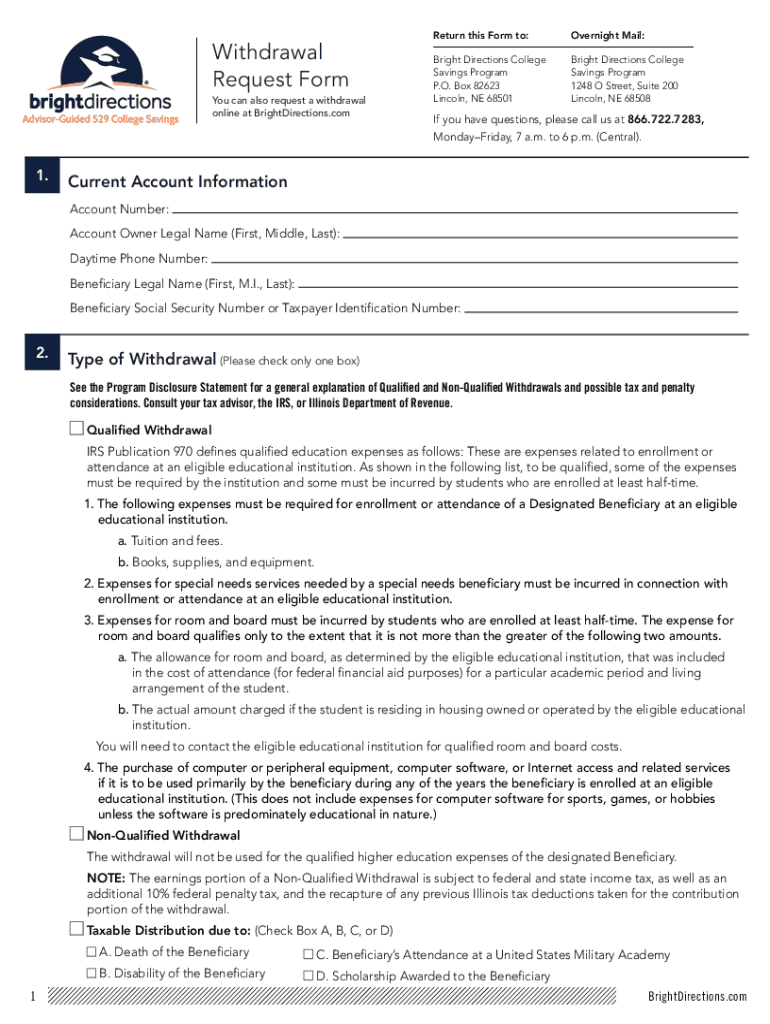
In today's digital age, "form online" refers to web-based versions of traditional paper forms that facilitate data collection, submission, and processing over the internet. This digital format offers the convenience of completing forms from any location with internet access. The term encompasses a wide range of form types, including applications, registrations, requests, questionnaires, and more, which are used across various sectors such as education, healthcare, business, and government.
Key Features of Online Forms
- Accessibility: Forms can be completed from any device with an internet connection.
- Efficiency: Digital forms reduce processing time compared to paper forms.
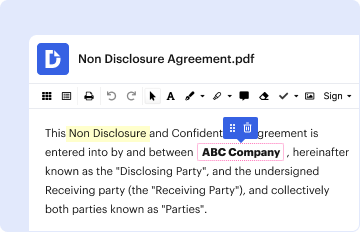
- Integration: Many online forms integrate with software like DocHub for easy editing and form management.
- Environmentally Friendly: Reduces the need for paper, contributing to sustainability efforts.
How to Use the Form Online
Using an online form involves a straightforward process, typically designed to be user-friendly. Follow these steps to efficiently complete an online form:
- Access the Form: Locate the form through a website, email link, or document sharing service like DocHub.
- Complete Required Fields: Fill in all necessary information, ensuring required fields are populated to avoid errors.
- Submit the Form: Once all sections are completed, review your information and click the submit button.
Tips for Efficient Form Use
- Prepare Documents: Have all necessary documents ready before starting the form.
- Double-Check Entries: Verify the accuracy of your information to prevent delays.
- Understand Form Requirements: Familiarize yourself with any specific instructions provided.
Steps to Complete the Form Online
Completing an online form is similar across most platforms, utilizing a series of guided steps:
- Open the Form Platform: Utilize a service like DocHub to access your online form.
- Input Personal Information: Start by entering basic personal details such as your name and contact information.
- Respond to Form-Specific Questions: Answer all the form’s questions thoroughly.
- Upload Supporting Documents: Attach any required documentation directly within the form.
- Review and Edit: Before submission, use tools to review or modify your responses.
- Final Submission: Submit the completed form and receive confirmation of receipt.
Examples of Documents to Upload
- Identification: Passports or driver’s licenses.
- Proof of Income: Pay stubs or bank statements.
- Authorizations: Signed consent forms or agreements.
Why Should You Form Online
Filling out forms online provides numerous advantages, from increased convenience to enhanced accuracy. Here’s why online forms are beneficial:
- Time-Saving: Instant submission reduces waiting periods.
- Error Minimization: Digital entries reduce risks of manual data entry errors.
- Cost-Effective: Eliminates costs related to paper, printing, and postage.
Benefits in Various Scenarios
- Individuals: Easier for personal finance management, like applying for loans.
- Businesses: Simplifies bulk data collection, such as employee surveys.
- Government Applications: Streamlines processes for permits or licenses.
Who Typically Uses the Form Online
The versatility of online forms makes them ideal for diverse users:
- Corporations: For HR processes like applicant tracking or employee evaluations.
- Educational Institutions: Managing student registrations and submissions.
- Non-Profit Organizations: Collecting donations and volunteer information.
- Government Agencies: Distributing official forms for taxes or benefits.

Case Studies
- Businesses: Online form tools have enhanced the efficiency of onboarding processes.
- Educational Use: Universities have adopted online application forms to streamline admissions.
Important Terms Related to Form Online
Understanding specific terminology related to online forms is crucial for accurate completion and efficient use. Here are some key terms:
- Fillable Fields: Interactive areas within a form where users input data.
- Submission Confirmation: Notification that indicates successful form submission.
- Data Encryption: Technology used to protect sensitive information entered in forms.
Common Terminology
- Responsive Design: Ensures forms are accessible and usable on various devices.
- Validation Checks: Processes that ensure data entered meets specific criteria.
- API Integration: Allows forms to connect with other applications for seamless data flow.
Legal Use of the Form Online
Online forms must comply with legal standards to ensure authenticity and security:
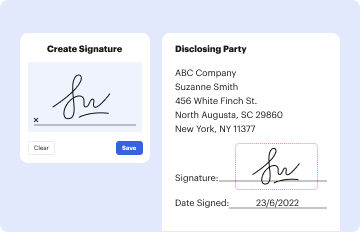
- Electronic Signatures: Governed by laws such as the ESIGN Act, providing legal recognition of e-signatures.
- Data Protection: Forms must adhere to regulations like GDPR to protect personal data.
- Authentication Protocols: Methods like OAuth 2.0 ensure secure access and sharing of forms.
Compliance Considerations
- Business Applications: Companies must ensure that their forms meet industry-specific compliance standards.
- Confidential Information: Additional security measures should be employed when handling sensitive data.
State-Specific Rules for the Form Online
State laws significantly influence the design and use of online forms, particularly for legal and governmental documents:
- Varying Requirements: Each state may have unique requirements for forms like tax filings or business registrations.
- Customization: Adapt online forms to comply with state-specific laws, ensuring legality and effectiveness.
Examples
- California: Known for strict data privacy laws affecting form data handling.
- New York: May have specific requirements for forms related to financial disclosures.
Examples of Using the Form Online
Real-world examples highlight the practical applications and impact of online forms across sectors:
- Legal Documentation: Forms used for inquiries or filings such as wills and estate documentation.
- Healthcare: Patient intake forms streamline pre-appointment information gathering.
- Retail: Feedback forms capture customer satisfaction data efficiently.
Practical Scenarios
- Insurance Claims: Expedite processing times using online submission forms.
- Educational Surveys: Implement digital feedback collection for course improvements.
These examples showcase the broad applicability and adaptability of online forms, emphasizing their crucial role in today's digital interactions.