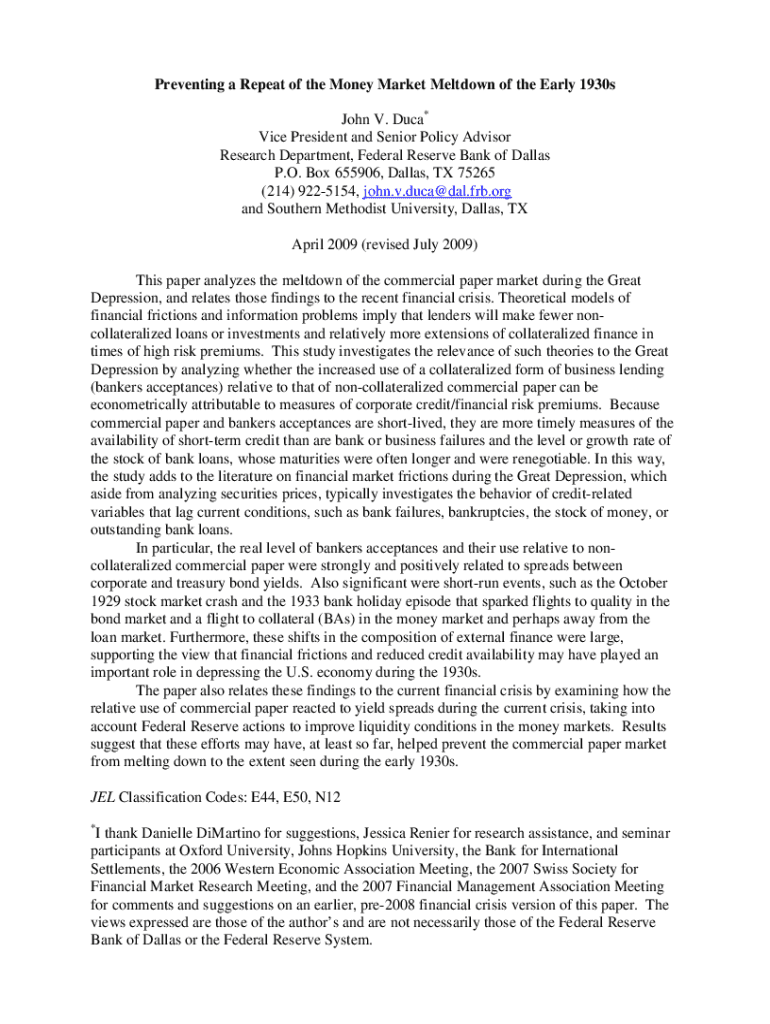







Definition and Significance of Financial Market Stability
Understanding financial market stability is essential to grasp the critical nature of mitigating market meltdowns. Stability refers to the resilience of financial systems against shocks that can lead to significant market disruptions, such as the 2008 financial crisis. By ensuring stability, businesses and individuals benefit from predictability, reduced risk, and increased investor confidence.
Steps to Prevent a Money Market Meltdown
-
Assessing Financial Risks: Regular evaluation of risk factors, including credit risk and liquidity concerns, is indispensable for early detection of potential market disruptions.
-
Diversification: Spreading investments across various asset classes helps reduce vulnerability to shocks in any single market sector.
-
Regulatory Compliance: Adhering to industry standards and legal requirements protects against penalties and supports orderly market function.
-
Crisis Planning: Developing comprehensive contingency plans and stress tests prepares institutions to respond effectively in times of market distress.
Legal and Regulatory Framework
Legal mechanisms are in place to prevent monetary instability, primarily through regulatory bodies like the Federal Reserve. Their interventions, such as interest rate adjustments and liquidity provisions, are critical in preventing market dysfunction.
Important Terms to Know
- Liquidity: The availability of liquid assets to a market or company.
- Credit Risk: The risk of default on a debt that may arise from a borrower failing to make required payments.
- Collateralized Lending: Securing a loan by pledging an asset as leverage.
Key Elements to Stabilize Money Markets
- Monetary Policy Tools: Adjustments to interest rates and reserve requirements help control inflation and stabilize financial systems.
- Stress Testing: This process evaluates the resilience of financial institutions under hypothetical adverse conditions.
- Transparency: Clear and consistent reporting ensures public confidence and aids regulatory enforcement.
Case Studies: Historical Lessons from Market Meltdowns
Analyzing past financial crises, such as the Great Depression and the 2008 meltdown, offers valuable insights. Common factors included over-leverage, speculative investments, and inadequate regulatory oversight.
Digital Tools for Monitoring Financial Stability
Digital platforms like DocHub offer a streamlined interface for document management, which is crucial for financial institutions needing to track compliance and risk assessment efficiently.
Role of the Federal Reserve in Market Interventions
The Federal Reserve plays a pivotal role through measures like quantitative easing, which injects capital into the financial system to enhance liquidity and prevent market collapse.
State-Specific Regulations
State regulations can differ significantly, affecting how financial markets operate in various regions within the United States. It's important to stay informed about these local laws to remain compliant.
Examples of Effective Market Risk Mitigation
Real-world applications include adopting dynamic asset allocation strategies and implementing rigorous financial audits to ensure that financial systems can endure economic downturns.
Penalties for Non-compliance in Financial Regulations
Failure to comply with financial regulations can lead to severe penalties, including fines, legal action, and loss of licenses – all of which can exacerbate market instability.
Importance of Financial Education
Educating individuals and organizations on financial literacy is vital for making informed decisions that contribute to overall market stability and prevent debilitating crises.
Taxpayer and Business Entity Scenarios
Different entities, from individuals to corporations, must adopt tailored strategies for risk mitigation to address their unique financial contexts effectively.