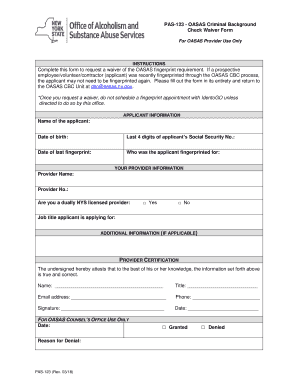
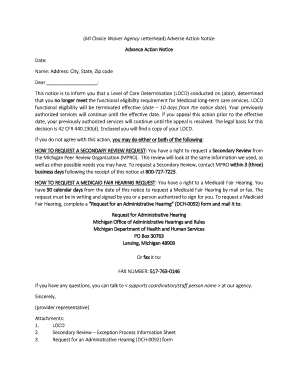
Definition and Purpose of the Fractional Cointegration and the Demand for M1 Claim Form
This form primarily deals with addressing issues related to contaminated and mutilated bank notes. The concept of fractional cointegration in this context relates to the advanced statistical modeling used to estimate long-term money demand relationships, providing insight into currency handling verification processes. The form itself facilitates the submission of claims for the redemption of damaged currency, ensuring that individuals and businesses can recover the monetary value of notes unsuitable for circulation.
Using the Fractional Cointegration and the Demand for M1 Claim Form
To effectively use this form, ensure you understand the reason for submission—whether it's for notes that are physically damaged due to contamination or mutilation. It is crucial to accurately describe the condition of the banknotes, including the extent of damage and potential causes. Providing detailed descriptions and supporting documents increases the likelihood of a successful claim.
Obtaining the Form
The form can typically be acquired from your local bank or financial institution. Additionally, it may be available online via federal banking websites. You can request a physical copy through mail services or download it directly in a compatible file format for digital completion and submission.
Steps to Complete the Form
- Gather Information: Collect all the banknotes you intend to claim and document their condition.
- Fill Out Personal Details: Provide your full name, contact information, and any identification numbers requested.
- Describe the Currency: Specify the denomination, serial numbers if visible, and the nature of the damage.
- Attach Evidence: Include photographs or other documentation supporting the condition and authenticity of the notes.
- Submit the Form: Follow the instructions for submission, whether that be mailing it to the relevant financial authority or using an online portal.
Importance of the Form
Filing this claim form is essential for redeeming currency values that would otherwise be lost due to destruction or contamination. Maintaining an accurate money supply is critical for both macroeconomic management and personal financial security, making this form vital for individuals holding damaged currency.
Who Typically Uses the Form
The primary users of this form are individuals and businesses holding significant amounts of cash that have been rendered unfit for circulation due to mutilation or contamination. Banks and financial institutions often assist in the process, acting as intermediaries between the claimant and the federal authorities.


Key Elements of the Form
- Detailed Descriptions: Accurate descriptions of the extent and type of damage.
- Personal Information: Full contact details for tracking and communication.
- Documented Evidence: Supporting materials evidencing the condition of the notes.
- Submission Guidelines: Clear instructions on how to submit the form, be it physical mail or digital upload.
Eligibility Criteria
To file a claim using this form, the currency must meet specific damage criteria, often defined by the percentage of identifiable note remains. Regulations may vary depending on the type of note and the issuing authority's requirements.

Methods of Form Submission
Typically, there are three methods to submit this form:
- Online Submission: For immediate processing and receipt confirmation.
- Mail: Sending the form and supporting documents directly to the specified address.
- In-Person: Submitting at a bank or federal agency for verification and immediate acknowledgment.
Important Terms and Concepts
Understanding terms like "mutilated notes," "contaminated currency," and "fractional cointegration" is vital in correctly navigating form instructions and guidelines. These terms help describe both the condition of the banknotes and the statistical methodologies underpinning currency management principles.
Legal Aspects and Compliance
The use of this claim form must adhere to national banking laws and regulations governing currency redemption. Non-compliance could result in claim denial, emphasizing the importance of adhering to all guideline specifications and requirements.