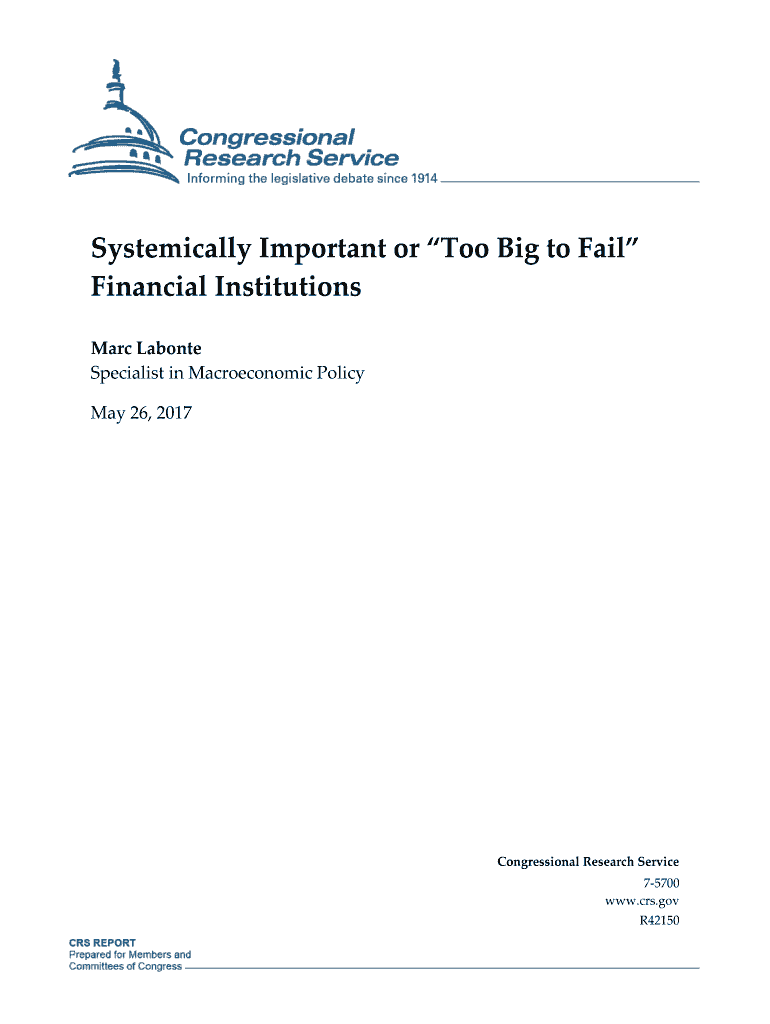







Definition and Meaning of "Systemically Important or Too Big to Fail"
"Systemically Important or Too Big to Fail" (TBTF) refers to financial institutions whose failure could significantly disrupt the broader financial system and economy. These entities are typically large, interconnected firms that, if collapsed, could trigger severe financial instability. During the 2008 financial crisis, TBTF institutions were deemed crucial to maintaining economic stability, prompting government interventions to prevent their failure. This concept highlights the importance of managing financial risk within these entities to protect the economy.
How "Too Big to Fail" Institutions Are Identified
Governments and regulatory bodies, such as the Financial Stability Board (FSB), identify TBTF institutions based on various criteria. Key factors include the size of the institution, its interconnectedness with other financial entities, and the complexity of its operations. Regulatory frameworks are in place to assess and monitor these firms to ensure sufficient oversight and minimize the risk of systemic failure.
Criteria for Identification
- Size and market share
- Interconnectedness with other financial firms
- Complexity of business operations
- Global activity and cross-jurisdictional presence
Policy Approaches for TBTF Institutions
To mitigate risks associated with TBTF institutions, various policy approaches have been proposed and implemented. These include enhanced regulation, capital requirements, limiting the size and scope of these firms, and establishing resolution regimes for handling failures efficiently.
Regulatory Measures
- Implementation of the Dodd-Frank Act, which introduced rigorous financial regulations.
- Enhanced capital and liquidity requirements to ensure firms can withstand financial shocks.
- Institutions must prepare and submit "living wills" outlining their resolution strategy in case of distress.
Legal Implications of "Too Big to Fail" Status
Legal frameworks have been developed to regulate TBTF institutions to prevent excessive risk-taking. The Dodd-Frank Act, for instance, established provisions for the orderly liquidation of large financial companies to avoid taxpayer bailouts. Legal mechanisms ensure these institutions operate with a higher level of scrutiny to protect the broader economic system.
Key Legal Frameworks
- Dodd-Frank Wall Street Reform and Consumer Protection Act
- Basel III international regulatory framework for banks
- Orderly Liquidation Authority under the FDIC
Examples of Systemically Important Institutions
Examples of institutions labeled as TBTF include major banks such as JPMorgan Chase, Bank of America, and Citigroup. These firms played significant roles during the 2008 financial crisis, prompting regulatory reforms aimed at mitigating their systemic risks.
Impact of Labeling
- Heightened regulatory oversight and greater scrutiny.
- Obligations to maintain higher capital reserves.
- Regular stress testing to evaluate resilience against financial shocks.
Key Elements of TBTF Institutions
Certain elements characterize TBTF institutions, including their dominance within financial markets, extensive global operations, and influence over economic stability. Recognizing these elements helps regulators focus on potential risks and develop strategies to safeguard the financial system.
Characteristics
- Large asset base and extensive market reach
- High degree of interconnectedness with global financial systems
- Critical role in facilitating liquidity and capital flow
Impacts of TBTF Status on Business Practices
Businesses labeled as TBTF face specific challenges and responsibilities. These include adhering to stringent regulatory requirements, maintaining robust risk management practices, and ensuring they do not engage in risky behaviors that could lead to economic instability.
Business Practices
- Adoption of comprehensive risk management frameworks
- Implementation of transparent operational procedures
- Regular compliance audits and regulatory reviews
Ongoing Debates on TBTF Effectiveness
The effectiveness of regulations on TBTF institutions remains a subject of debate among policymakers, economists, and industry stakeholders. Discussions focus on whether current measures sufficiently prevent future crises or if further reforms are necessary to enhance the stability of the financial system.
Key Debates
- Adequacy of capital requirements and systemic risk buffers
- Effectiveness of "living will" resolution plans
- Implications for global financial markets and international cooperatives
By exploring these aspects of "Systemically Important or Too Big to Fail," stakeholders can better understand the complexities involved in regulating financial institutions crucial to economic stability.