






Definition and Purpose of the Most Recent Reports - California State Auditor
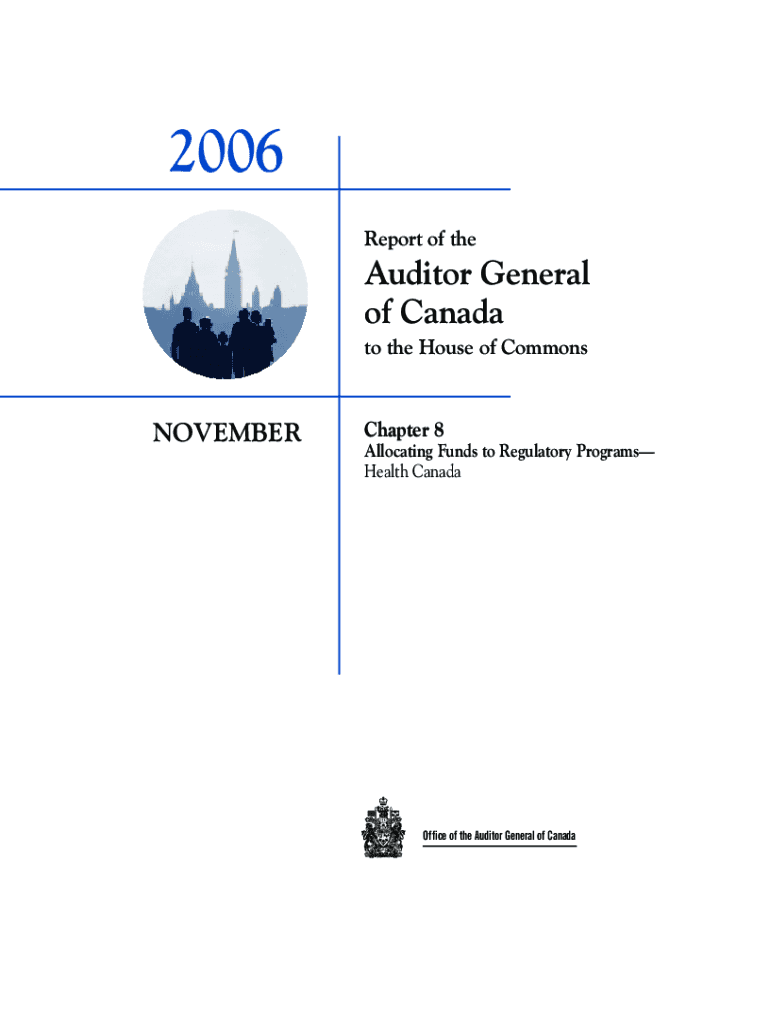
The "Most Recent Reports - California State Auditor" refer to the latest documentation and findings issued by the California State Auditor's office. These reports are typically prepared to assess government agencies' performance, ensure compliance with statutory obligations, and foster transparency within the state's operations. The auditor conducts financial and performance audits that offer insights into how effectively resources are being utilized, pinpoint areas needing improvement, and provide recommendations for enhancing operational efficiencies.
The purpose of these reports is multifaceted:
- They aim to uphold accountability by evaluating governmental entities and their management of public funds.
- They offer data-driven insights to policymakers for informed decision-making.
- They foster public trust through transparency in government operations.
How to Use the Most Recent Reports - California State Auditor
Using the "Most Recent Reports - California State Auditor" effectively requires a clear understanding of their structure and aims. Here’s how:
-
Interpret Findings: Examine the detailed findings to understand the performance and compliance level of the audited body. This includes identifying financial inconsistencies, operational inefficiencies, and areas requiring corrective actions.
-
Implement Recommendations: Utilize the recommendations provided to initiate improvements in processes and address the highlighted deficiencies.
-
Inform Strategy: Use the insights to inform strategic planning or policy formulation within the relevant government department or agency.
Practical Examples
- A city council might use these reports to enhance fiscal management practices.
- Educational boards could improve school district resource allocations based on audit findings.
Steps to Access the Most Recent Reports - California State Auditor
Accessing these reports is straightforward, often involving a few key steps:
-
Visit the Official Website: Navigate to the California State Auditor's official website, where the most recent reports are published.
-
Search for Specific Reports: Use the search functionality to find specific reports by entering relevant keywords, publication dates, or subject areas.
-
Download or Request a Copy: Most reports are available for free download in PDF format. For those not available online, you may request a physical copy from the auditor's office.
Detailed Process
- Online Access: Simply locate and click on the report you are interested in, then select the download option.
- Physical Copies: Contact the auditor's office via provided contact details to request a printed report.
Key Elements Found in the Reports
The reports typically contain several critical elements:
- Executive Summary: Provides an overview of key findings, objectives, and recommendations.
- Audit Scope and Objectives: Defines what was audited and the goals of the audit.
- Methodology: Outlines the methods used to conduct the audit, including data collection techniques.
- Findings and Conclusions: Detailed discussions of the results, including identified issues and potential impacts.
- Recommendations: Suggests actionable steps for improvement.
Legal Use of the Reports
Understanding the legal framework surrounding these reports is essential for compliance and effective usage.
Legal Compliance
- Ensure Adherence: Government bodies must adhere to the recommendations to comply with state regulations and achieve compliance.
- Policy Formulation: Legislators use these findings as a basis to draft or amend laws and policies to address systemic issues.
Real-world Application
- State Agencies: Use the report to correct identified operational weaknesses and demonstrate accountability.
- Public Interest Groups: Leverage the data in advocacy efforts aimed at policy reforms.
Who Typically Uses These Reports
The reports are utilized by a diverse group of stakeholders:
- Government Officials: To assess and enhance departmental efficiencies.
- Policymakers: For informed decision-making and legislative proposals.
- Researchers and Academics: To analyze public sector performance and policy impacts.
- Media and Citizens: To stay informed about government performance and public resource management.

Important Terms Related to the Reports
Familiarize yourself with these terms for better comprehension:
- Audit Scope: The extent and boundaries of the audit, covering what areas were examined.
- Performance Audit: Assesses the effectiveness and efficiency of operations rather than purely financial accuracy.
- Compliance Audit: Focuses on whether entities adhere to statutory guidelines.
Glossary
- GAAP: Generally Accepted Accounting Principles ensure consistency in financial reporting.
- Findings: The results or outcomes from the audit process.
State-Specific Rules and Guidelines
Each state's auditor operates within a distinct legal and regulatory framework. California's guidelines include:
- Public Disclosure Requirements: Mandates timely publication of audit findings to promote transparency.
- Corrective Action Plans: Required from audited entities based on the report’s recommendations to demonstrate compliance and improvement efforts.
Differences in Procedures
- State Variations: Other states might have different mandates and financial oversight procedures, impacting report structures and focus areas.
By understanding these detailed aspects and practical applications of the "Most Recent Reports - California State Auditor," stakeholders can leverage this vital resource to drive transparency, accountability, and operational excellence in California's public sector.