






Definition and Meaning
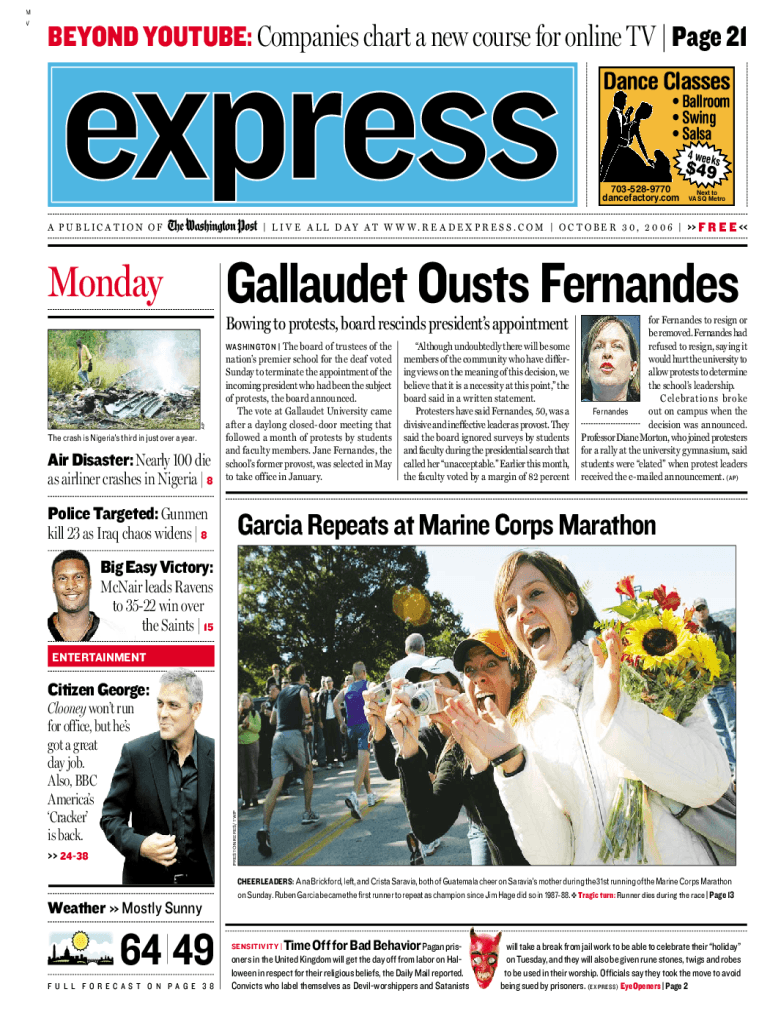
Dance lessons in swing dancing, ballroom dancing, and salsa are structured sessions designed to teach individuals the skills, techniques, and styles associated with these popular dance forms. Swing dancing includes a variety of styles like lindy hop, jive, and balboa, characterized by a rhythmic, energetic motion reflective of jazz music's influence. Ballroom dancing is a broad category that includes standard and Latin styles like the waltz, tango, and foxtrot, typically performed in pairs and known for its grace and precision. Salsa, a lively and social dance style originating from Cuban culture, places emphasis on rhythm and partner interaction. These lessons help participants develop coordination, rhythm, and an appreciation for music and movement aesthetics.
How to Use the Dance Lessons
Engaging in dance lessons requires preparation and openness to learning new steps and techniques. Participants should wear comfortable clothing allowing free movement and shoes that provide stability yet slide easily on the dance floor. Lessons start with basic steps, progressing through a choreographed routine tailored to the group's skill level. Instructors demonstrate each step before guiding students through practice. Regular attendance is essential to grasp the nuances of dance styles diligently. Video recordings of lessons serve as a useful tool for home practice, allowing dancers to review and refine their movements.
How to Obtain Dance Lessons
Finding dance lessons in swing, ballroom, or salsa involves identifying local dance studios or community centers that offer classes. Online directories and social media channels provide information about class schedules and instructors. Dance enthusiasts can also explore virtual lessons through platforms like YouTube or specialized dance websites, enabling learning from renowned global instructors. Membership in dance clubs or associations presents an opportunity for discounted access to classes and workshops. When selecting a course, consider the schedule, instructor credibility, and class size to ensure a conducive environment for personalized learning.
Steps to Complete Dance Lessons
- Registration and Orientation: Enroll in a chosen class, and attend an orientation session to understand course structure and requirements.
- Initial Evaluation: Participate in a beginner lesson, where the instructor assesses skills to tailor lesson pace and content.
- Learning Basics: Start with fundamental steps and footing, advancing to moves, spins, and combinations specific to each dance style.
- Practice Sessions: Attend practice sessions focusing on rhythm, posture, and partner coordination.
- Progress Evaluation: Instructors provide feedback and adjustments to improve techniques over time.
- Performance Evaluation: Participate in recitals or informal showcases to demonstrate progress and receive constructive critiques from peers and instructors.
Why Should You Engage in Dance Lessons
Dance lessons in swing, ballroom, or salsa offer multifaceted benefits. They are an excellent form of cardiovascular exercise, promoting physical fitness while enhancing flexibility and balance. The learning process fosters mental agility, enhancing memory and concentration as participants remember steps and sequences. Socially, dance lessons encourage communication and teamwork, building friendships and networks in a group setting. Consequently, dance also boosts confidence and presentation skills, vital for both personal and professional environments. Ultimately, dance offers cultural enrichment by exposing participants to diverse musical and movement traditions worldwide.
Who Typically Uses Dance Lessons
Dance lessons attract a diverse group of individuals. Young enthusiasts learn to express themselves through movement, while adults often seek lessons for fitness, social interaction, or as a new hobby. Wedding couples frequently engage in ballroom lessons to prepare for their first dance. Retirees find dance a fulfilling activity that keeps them active and socially engaged. Professional dancers refine their skills through specialized classes, while actors use lessons to broaden their performing repertoire. Dance as an inclusive activity welcomes people of all ages and backgrounds.
Key Elements of Dance Lessons
Dance lessons are structured around several key components to ensure comprehensive instruction:
- Basic Steps and Postures: The foundational moves of each dance form are taught, emphasizing posture.
- Footwork Techniques: Techniques to navigate dance floors seamlessly.
- Rhythm and Musicality: Understanding rhythm patterns and matching movements to music.
- Partnering Skills: Developing communication and connection in partner dancing.
- Choreography: Learning routines that combine techniques into coherent sequences.
- Improvisation: Encouraging creativity and adapting moves spontaneously to the music.
Examples of Using Dance Lessons
Dance lessons often culminate in performances or assessments where skills are showcased. For instance, swing dancers may participate in social dance nights or competitions. Ballroom dance students might perform at formal events, displaying graceful choreography learned in class. Salsa dancers frequently join Latin dance socials, applying their rhythmic style in a dynamic and lively setting. These varied platforms allow students to express their passion for dance, gain confidence, and receive accolades for their progress.
Digital vs. In-Person Lessons
Dance lessons are available in both digital and in-person formats, each offering unique advantages:
-
In-Person Lessons: Provide tactile feedback, direct interaction with instructors, and immediate correction. They offer a community atmosphere with direct partner interaction essential for paired dances.
-
Digital Lessons: Offer flexibility and accessibility, especially beneficial for remote learners or those with tight schedules. Recorded lessons provide the ability to learn at one's own pace, with pause and rewind features for complex routines.