




Definition and Meaning
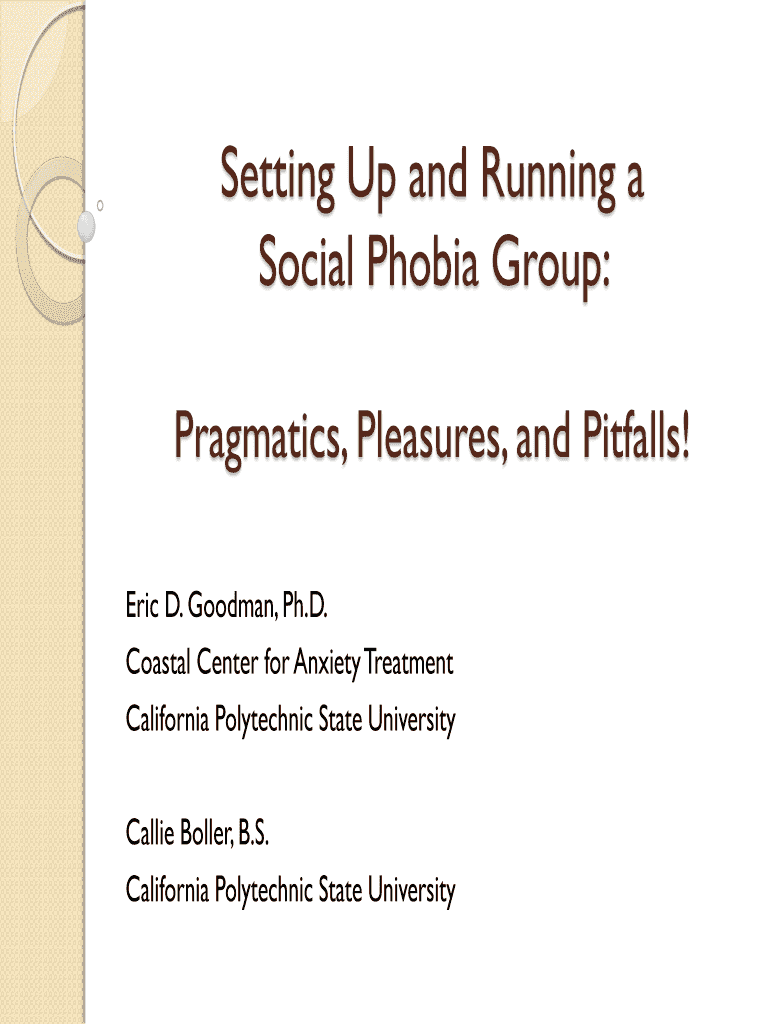
The term "Social Phobia Group" refers to a structured support group designed to aid individuals experiencing social anxiety or social phobia. This condition is characterized by an intense fear of social situations where one might be judged or scrutinized by others, leading to avoidance behavior and significant distress. The social phobia group operates as a therapeutic environment where participants can share experiences, receive mutual support, and engage in targeted cognitive-behavioral therapies aimed at reducing symptoms.
Key Elements of the Social Phobia Group
Social phobia groups typically focus on several core elements to ensure effective therapy and support:
- Group Therapy: Facilitates a shared space for participants to express fears and experiences in a non-judgmental environment.
- Cognitive-Behavioral Techniques: Addresses negative thought patterns and behaviors contributing to anxiety.
- Exposure Therapy: Gradually exposes participants to feared social situations in a controlled manner to reduce anxiety.
- Social Skills Training: Enhances interpersonal skills to improve confidence and communication in social settings.
Steps to Complete the Social Phobia Group
Participating in a social phobia group generally involves several key steps to ensure a comprehensive therapeutic process:
- Initial Assessment: Participants undergo a clinical assessment to determine the severity of social phobia and suitability for group therapy.
- Enrollment and Orientation: Upon assessment approval, individuals receive an orientation to understand the group's structure and objectives.
- Regular Sessions: Participants attend regular sessions, typically weekly, where the therapeutic activities are conducted.
- Progress Evaluation: Therapists regularly evaluate each participant's progress, adjusting the therapeutic approach as needed.
How to Use the Social Phobia Group
Effective utilization of a social phobia group requires active participation and engagement:
- Active Participation: Individually working through exercises, sharing experiences, and applying learned strategies.
- Homework Assignments: Engaging with exercises or tasks between sessions to reinforce learning.
- Peer Support: Building connections with fellow participants to form a supportive community outside group sessions.
Who Typically Uses the Social Phobia Group
Social phobia groups are often sought by individuals experiencing:
- Chronic Anxiety in Social Situations: People with persistent fear of negative evaluation in social settings.
- Behavioral Avoidance: Individuals who avoid activities like speaking in public, attending social gatherings, or meeting new people.
- Desire for Peer Support: Those who find mutual support and understanding from others with similar experiences beneficial.


Legal Use of the Social Phobia Group
While social phobia groups primarily serve therapeutic purposes, understanding their legal context is important:
- Confidentiality Agreements: Participants typically sign agreements ensuring that group discussions remain private.
- Therapist Qualifications: Groups are usually facilitated by licensed therapists or clinical social workers, ensuring professional standards are met.
Examples of Using the Social Phobia Group
Social phobia groups can be utilized effectively in various scenarios:
- Student Environments: Groups for students facing anxiety about public speaking or group projects at school.
- Workplace Support: Employees dealing with anxiety in professional interactions or meetings can benefit from group interventions.
- Community Outreach: Local community centers may host social phobia groups to provide accessible mental health support.
Important Terms Related to the Social Phobia Group
Understanding key terminology enhances comprehension of social phobia groups:
- Cognitive Restructuring: Reframing negative thoughts to reduce anxiety.
- Systematic Desensitization: Gradual exposure to anxiety-inducing scenarios.
- Therapeutic Alliance: The bond between therapists and participants facilitating effective therapy.
Why Participate in a Social Phobia Group
The benefits of joining a social phobia group include:
- Reduced Anxiety Levels: Through repeated exposure and practice, participants often experience decreased anxiety in social situations.
- Improved Social Skills: Direct practice in social settings helps participants enhance their communication and interpersonal skills.
- Community and Belonging: Connection with others facing similar challenges can reduce feelings of isolation and build a supportive network.