Definition & Meaning
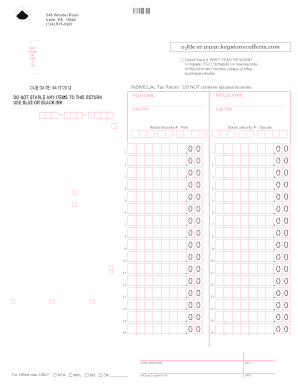
The Self-employment (Short) (2014) form is a tax document specifically designed for individuals in the United States who are self-employed and have relatively uncomplicated tax situations. This form facilitates the reporting of business income, expenses, and the calculation of taxable profits for the tax year 2014-15. Primarily, the form focuses on capturing comprehensive financial details required for accurate tax return filing. Users report personal details, business information, income streams, allowable expenses, and net profit or loss.
Key Features
- Business Details: Identification of business activities, including the nature and structure of the business.
- Income Section: Documents all sources of business income received during the specified tax year.
- Expense Reporting: Allows the deduction of various business-related expenses to lower taxable income.
- Capital Allowances: Accounts for depreciation of business assets over the year.
- Taxable Profit Calculation: Determines the final amount subject to tax after allowable deductions are applied.
Steps to Complete the Form
-
Personal Information Entry:
- Provide name, social security number, and current address.
-
Business Information:
- Enter precise details of business activity, such as business name and industry code.
-
Income Entry:
- Record all business earnings, including sales revenue and any other sources of income.
-
Expense Documentation:
- List all relevant business expenses such as office supplies, travel, and utilities.
- Ensure accurate documentation to support claimed expenses.
-
Calculate Net Profit or Loss:
- Subtract total expenses from total income to arrive at net profit or net loss.
-
Capital Allowances:
- Include any depreciable asset information to calculate applicable capital allowances.
-
Final Taxable Profit Computation:
- Deduct capital allowances from net profit to finalize taxable income.
Practical Example
- A freelance graphic designer with supplies and hardware costs would report those expenses under allowable deductions, ensuring that these costs are subtracted from gross income to determine net profit accurately.
IRS Guidelines
The IRS prescribes specific guidelines to ensure compliance when using the Self-employment (Short) (2014) form. It's vital to adhere to these regulations to avoid errors or potential audits.
Compliance Tips
- Accurate Reporting: Ensure all income and expenses reported align with IRS standards.
- Supporting Documentation: Keep receipts and financial records for each entry reported on the form.
- Eligibility Verification: Confirm that you meet criteria for using this simplified form instead of more complex self-employment forms.
Filing Deadlines / Important Dates
- Annual Deadline: The federal tax deadline for the year 2014 was typically on April 15, 2015. If this date falls on a weekend or holiday, the deadline might shift to the next business day.
- Extension Requests: If more time is needed, file for an extension before the deadline to avoid late fees.
Important Considerations
- Timely filing ensures avoidance of late penalties.
- Extensions provide additional time for submission but not for payment of due taxes, which should be estimated and paid by the original deadline.
Required Documents
When preparing to file using this form, collect all necessary documentation to ensure accurate and complete filing.
Checklist
- Income Statements: 1099 forms or equivalent statements detailing income received.
- Expense Receipts: Documentation supporting business expenses, such as invoices or receipts.
- Asset Records: Information concerning any business assets or depreciation.
- Sensitive Information: Ensure the security of personal data such as social security numbers.
Penalties for Non-Compliance
Several penalties exist for non-compliance with IRS regulations when filing the Self-employment (Short) (2014) form.
Types of Penalties
- Late Filing Penalties: Monetary fines applied for missing the filing deadline.
- Accuracy Penalties: Fines for significant errors or negligence in reporting accurate data.
- Payment Penalties: Additional charges for unpaid tax obligations.
Taxpayer Scenarios
Different scenarios illustrate the varied use cases for individuals filing with the Self-employment (Short) (2014) form.


Common Scenarios
- Freelancers: Individuals with project-based income without complex investment portfolios.
- Contractors: Professionals who provide services to multiple clients, with straightforward financial records.
- Small Business Owners: Sole proprietors with straightforward cash flows and limited assets subject to depreciation.
State-Specific Rules
Regulations may vary by state, potentially altering the reporting requirements or tax obligations.
Examples of Variability
- Different Deduction Rules: States might have unique rules on what constitutes a deductible expense.
- State Tax Structures: Variations in state tax rates and filing requirements may necessitate separate state forms.
By investing in thorough preparation and understanding of these blocks, self-employed individuals can effectively manage their filing obligations for the year 2014 using the Self-employment (Short) (2014) form, ensuring compliance and optimization of their tax return process.