
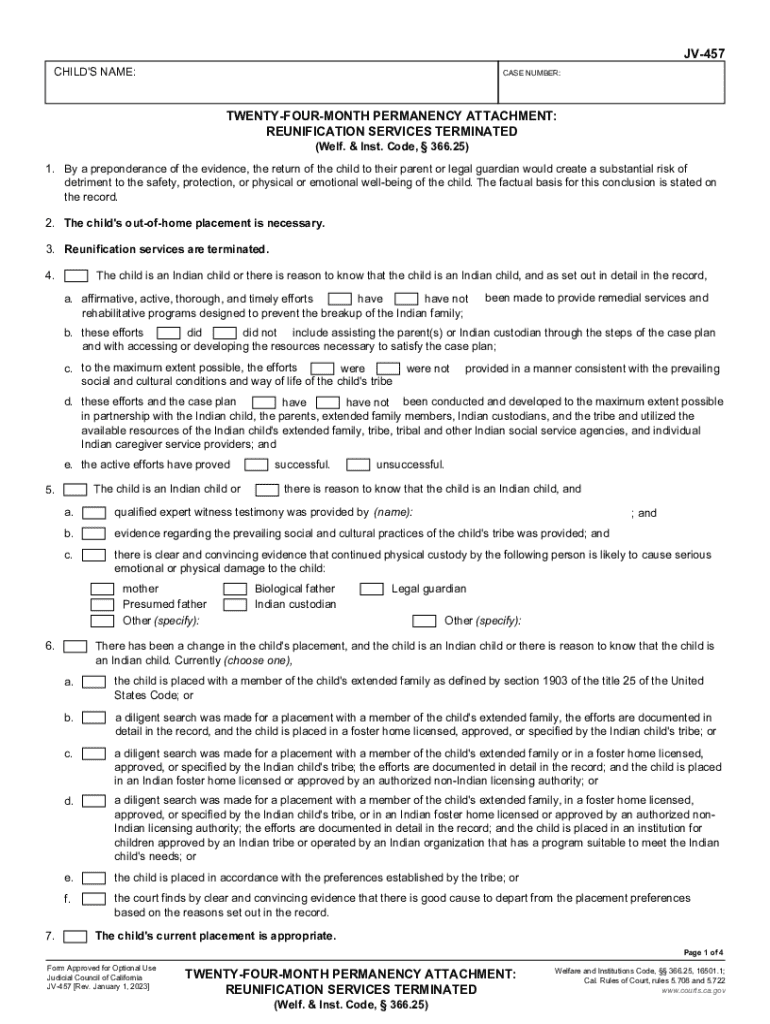





Definition & Meaning of Form Online
A "form online" refers to a digital document that can be accessed, completed, and submitted via the internet. These forms are designed to streamline processes that traditionally required physical paperwork, allowing for more efficient and environmentally friendly transaction methods. Forms online are used across various sectors, including government, finance, and healthcare. They are often associated with activities such as tax filing, obtaining permits, and managing banking or insurance details. The nature of a form online ensures that users can complete necessary tasks from any location, contributing to its growing popularity in a digitally connected world.
How to Use the Form Online
Using a form online typically involves a few straightforward steps that anyone familiar with basic computer operations can perform.
-
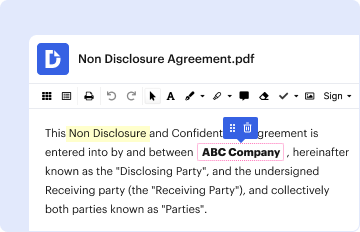
Access the Form: Begin by navigating to the website hosting the form. This could be a governmental site, a corporate portal, or platforms like DocHub that offer document management services.
-
Input Required Information: Once the form is open, input the requested data into the designated fields. These can include text boxes for names and addresses, dropdown menus for selecting options, and checkboxes for agreeing to terms or conditions.
-
Review Information: Before submission, review all entered details to ensure accuracy and completeness. Double-checking helps prevent errors that might require additional corrections or delays.
-
Submit the Form: After verifying the information, click the submit button. Confirmation of receipt is often provided, either on-screen or via email, along with instructions for further steps, if applicable.
By following these steps, users can effectively complete an online form, ensuring their information is processed accurately and timely.
Steps to Complete the Form Online
Successfully completing an online form demands attention to detail and adherence to specific steps:
-
Preparation: Gather all necessary documents and information before starting. This might include identification numbers, addresses, or other pertinent data typical of the form type.
-
Form Access: Open the form by following the link provided by the authoritative body or by downloading it from a reliable source.
-
Field Completion: Enter information into all required fields. Ensure that fields marked as compulsory are filled to prevent submission errors.
-
Attachments: If the form requires supportive documentation, use the upload feature to attach files. Most systems accept common formats like PDF and JPEG.
-
Validation: Utilize any in-built validation tools to check for mistakes or omitted fields.
-
Submission: Conclude by submitting the form and save any confirmation or receipt for future reference.
Key Elements of the Form Online
An online form's effectiveness lies in its design, which typically includes:
- User-Friendly Interface: Simplifies navigation with clearly labeled sections and instructions.
- Interactive Fields: Include text boxes, checkboxes, and dropdowns for user input.
- Validation Features: Automated systems that notify users of errors or missing data.
- Security Measures: Encryption to protect sensitive information during transmission and storage.
- Submission Confirmation: Ensures users are informed of successful submission instantly.
These elements work in harmony to enhance usability, making the completion of tasks efficient and secure.
Legal Use of the Form Online
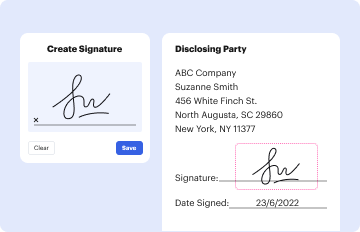
Legally, online forms are recognized as valid instruments for capturing consent, agreements, and declarations. Their legal standing is supported by various digital and electronic commerce laws, such as the ESIGN Act in the United States, which affirms the use of electronic signatures and documentation.
- Compliance: Forms must comply with relevant statutes and use verified digital signature technologies.
- Authentication: Users may need to verify identity through secure login methods or third-party authentication systems.
- Record Keeping: Electronic filing systems are often required to maintain digital copies for set periods to satisfy legal requirements.
These legal frameworks ensure that transactions completed via online forms are binding and enforceable, thus encouraging their widespread use.
Who Typically Uses the Form Online
Forms online are utilized by diverse groups spanning individual, corporate, and governmental sectors:
- Individuals: For personal services such as tax filing, healthcare enrollment, or application submissions.
- Businesses: For compliance reporting, payroll processing, and customer data collection.
- Government Agencies: To manage registrations, permits, and citizen services efficiently.
Each user group finds value in online forms' ability to facilitate speedy, accurate data collection and to streamline complex workflows.

State-Specific Rules for the Form Online
State-specific regulations can influence how online forms are structured and utilized. Each state may adapt federal guidelines to address local needs and preferences:
- Variations in Requirements: States might require distinct information formats or additional documentation.
- Submission Protocols: Deadline variations and acceptable methods of submission can differ by state.
- Regulatory Compliance: Ensuring compliance with regional laws when using online forms for state-specific tasks.
Understanding these nuances is critical for users to navigate the requirements effectively in their jurisdiction.
Examples of Using the Form Online
Real-world applications of online forms demonstrate their wide-ranging utility:
- Tax Filings: Individuals can complete and submit tax returns using electronic forms.
- Permit Applications: Businesses might apply for operational licenses through state-run portals featuring online forms.
- Health Insurance Enrollment: Forms online streamline the signup process for healthcare plans, enabling users to upload documents and provide necessary information seamlessly.
These scenarios highlight online forms' adaptability, offering solutions tailored to specific user needs and regulatory contexts. By leveraging such applications, users can engage in secure, efficient interactions suited to modern digital environments.