




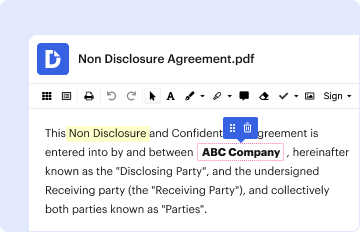

Definition and Meaning of Form Online
When we talk about a "form online," we're referring to digital versions of forms that can be processed through electronic means rather than using paper. These forms are designed to be completed, submitted, and sometimes even stored digitally. They often include fields where users can input data directly from their computers or mobile devices. Forms online streamline various processes, from filling out tax declarations to submitting job applications, making them an essential part of modern-day digital tasks.
Online forms are equipped with interactive features such as drop-down menus, checkboxes, and signature fields, making data entry intuitive and efficient. This digital format reduces errors that commonly occur with manual form filling. Today's digital transformation in both personal and professional realms hinges significantly on the ability and convenience provided by online forms. This transition to a more digital-focused work environment has led to substantial gains in efficiency and accuracy.
How to Use the Form Online
To effectively utilize an online form, follow a series of straightforward steps that transform the experience into a seamless task:
-
Access the Form: Navigate to the form through our platform or a cloud service like Google Drive. This removes unnecessary barriers and enables quick access.
-
Filling the Form: Once open, users can enter necessary details into designated fields. Highlighted sections guide you on required versus optional information, minimizing chances of overlooking crucial data.
-
Reviewing Input: Before submission, take a moment to ensure all entered data is accurate. Errors or omissions can often be corrected directly by revisiting respective fields.
-
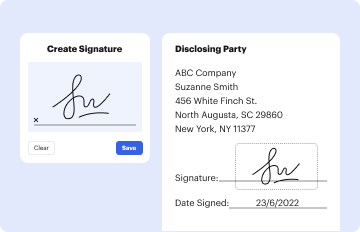
Signature as Needed: If electronic signing is required, utilize methods such as drawing, typing, or uploading your signature. Quick access to saved digital signatures makes this process efficient.
-
Submit or Save: Depending on your need, either submit the completed form online or save it for later submissions or reviews. This flexibility emphasizes the adaptability of online forms in varying scenarios.
-
Track Submission: Upon submission, rely on the platform’s notification system to confirm and track the status. Many forms offer real-time tracking to ensure peace of mind and compliance with deadlines.
Steps to Complete the Form Online
Completing an online form involves a series of actions:
-
Initiate Document: Begin by importing the form into the workspace. This can be done directly or through linked cloud accounts.
-
Field Navigation: Carefully navigate through fields. Hovering over different sections in the form provides prompts and instructions to guide the user.
-
Input Information: Leverage features like auto-fill for streamlining data entry. This reduces time spent on repetitive tasks while ensuring accuracy.
-
Save Progress: Don’t forget to save your work intermittently. With online forms, the risk of losing unsaved data is mitigated by the auto-save function in most platforms.
-
Check for Completeness: After data entry, check if all necessary fields were addressed and none of the vital information is missing.
-
Make Corrections: Use editing tools to fix mistakes observed during review. Some advanced platforms provide error detection features.
-
Submit the Form: Finalize the process by clicking submit. At this point, verification might be required to confirm submission.
-
Confirmation Received: Confirmation messages or emails assure users that their form has been successfully submitted. This confirms the completion of the online form process.
Key Elements of the Form Online
Forms designed for online completion consist of several critical elements:
-
Interactive Fields: Includes text boxes, number fields, and date pickers that facilitate user input.
-
Guidance Features: On-screen instructions assist users, helping to reduce form-filling errors.
-
Validation Checks: Integrated mechanisms to ensure data such as email addresses or phone numbers adhere to standardized formats.
-
Security Measures: Features like encryption and password-protection keep user data confidential and secure throughout processing.
-
User Customization: Customizable templates allow users to modify forms to suit specific needs, enhancing usability and applicability across different uses.
-
Accessibility Options: Compatibility with screen readers and keyboard navigation promotes inclusive design, broadening the user base for all forms.
Legal Use of Form Online
In the evolving realm of digital transformation, the legal use of forms online is an indispensable factor to consider. These forms comply with regulations like the ESIGN Act, ensuring they remain legally binding and valid. Security measures, such as encryption and audit trails, uphold the integrity of data, especially when handling sensitive information.
Users can incorporate digital signatures that meet verification standards, further legitimizing the online forms. By adhering to applicable legal requirements, forms used online stand as reliable and robust tools for individuals and corporations, ensuring protection and legality across various jurisdictions and uses.
Examples of Using the Form Online
Several scenarios benefit from transitioning traditional processes to digital ones using online forms:
-
Tax Filing: IRS forms, like the W-9, can be completed online, speeding up tax processing and reducing paperwork.
-
Application Submission: Job applicants swiftly submit applications, attaching necessary documents without mailing delays.
-
Surveys and Feedback: Businesses can create customer satisfaction surveys that allow real-time data collection and analysis.
-
Contract Creation: Agreements requiring multiple parties can be finalized digitally with securely attached electronic signatures.
-
Educational Enrollments: Schools often use forms online to streamline student enrollments, bypassing cumbersome paperwork.
These examples showcase the versatility and practicality of using forms in a digital setting, contributing to widespread efficiency gains.
Who Typically Uses the Form Online
A broad spectrum of individuals and organizations capitalize on the convenience of forms online:
-
Businesses: Adopted for invoicing, client onboarding, and human resource management, streamlining operations.
-
Healthcare Providers: Manage patient records and facilitate online appointment scheduling efficiently.
-
Government Agencies: Promote eco-friendly practices by digitizing documentation, reducing paper waste.
-
Educational Institutions: Enhance student interactions by handling admissions, feedback, and administrative forms online.
-
Individual Users: Widely use forms for personal finance, legal documentation, and communication purposes.
This wide range of users illustrates the exceptional adaptability of online forms in meeting diverse needs.


Digital vs. Paper Version
The shift from paper to digital forms offers distinct advantages over traditional methods:
-
Environmental Benefits: Digital forms significantly reduce paper usage, contributing to environmentally sustainable practices.
-
Enhanced Accessibility: The ability to reach and complete these forms from virtually anywhere empowers users, unlike static paper documents.
-
Rapid Processing: Digitized information moves faster between systems, cutting down processing times from weeks to days or even hours.
-
Improved Accuracy: Reduced human error from pre-filled forms and validation features ensures true representation of intended information.
-
Cost Efficiency: Expenses for printing, mailing, and storing physical forms are converted into cost savings when using digital alternatives.
Understanding these advantages stresses the need for continued adoption of digital solutions, ensuring smoother transitions in numerous applications and sectors.