



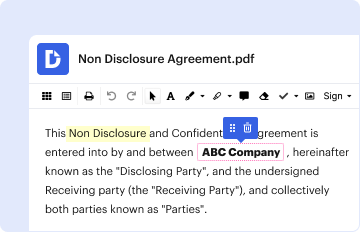
01. Edit your law 553 contract pdf online
Type text, add images, blackout confidential details, add comments, highlights and more.

Type text, add images, blackout confidential details, add comments, highlights and more.
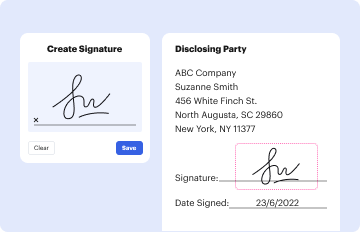
Draw your signature, type it, upload its image, or use your mobile device as a signature pad.
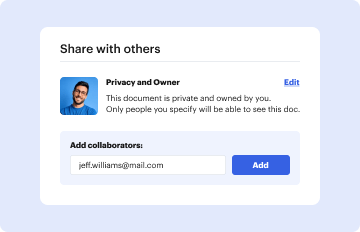
Send law 553 ca arb eps 3 23 via email, link, or fax. You can also download it, export it or print it out.
Law 553 refers to specific legal parameters governing retail installment contracts in California, impacting both buyers and sellers in various financial transactions. The law aims to ensure transparency and fairness in lending practices, regulating how contracts are structured and what information must be disclosed to consumers. A critical aspect of law 553 is its adherence to federal regulations while also addressing state-specific requirements.
The law requires certain essential elements to be included in any retail installment contract. These key components are designed to protect the interests of the consumer and promote clear communication between parties involved in the contract.
Developing a law 553 contract involves several steps to ensure compliance and protect both parties’ interests:
Draft the Contract Document:
Fill in Buyer and Seller Information:
Outline Financial Terms:
Review Consumer Disclosures:
Finalize and Sign the Document:
Law 553 is rooted in consumer protection principles. It outlines the obligations of lenders and sellers to ensure that consumers are adequately informed before entering into a financial agreement. Key compliance areas include:
While law 553 is specific to California, variations may exist depending on regional practices and interpretations. Contracts can differ based on:
Consider the following scenarios to illustrate law 553 contracts in action:
Failure to adhere to law 553 can result in significant penalties, not only for the seller but also for the maintaining of consumer trust. Key penalties include:
A law 553 contract PDF serves as a vital component in ensuring fair and transparent retail installment agreements in California. Understanding its elements, compliance steps, and variations is crucial for both consumers and sellers to protect their interests in financial transactions. By adhering to these guidelines, parties can foster confidence and clarity in their agreements, contributing to a more efficient marketplace.
Sign in to your DocHub account and import your law 553 to our editor using one of its upload options - from your device, cloud storage, protected URL, or your DocHub folders if you have already processed your document before. Open our editor, click the Sign button in the upper toolbar, and choose your signing method. You can use a picture of your handwritten signature, draw it, enter your name, or utilize a QR code instead.
If you are looking for a state-specific law 553 contract sample, you can find it in our DocHub Forms & Templates catalog. Use the search field, enter your form’s name, and search through the results for your state. You can also filter out irrelevant results while searching our catalog by groups.
At DocHub, your data security is our priority. We follow HIPAA, SOC2, GDPR, and other standards, so you can work on your documents with confidence.
LAW 553. LABOR LAW. Course Introduction Syllabus. Clinical Assistant Professor Mark Brittingham. Fall Semester 2019. Wednesday 4:30-7:00 p.m.. Room 206.Read more
Apr 24, 2013 (1) RESPONSE ACTION CONTRACT.The term response ac- tion contract means any written contract or agreement en- tered into by a responseRead more


