



Definition & Meaning
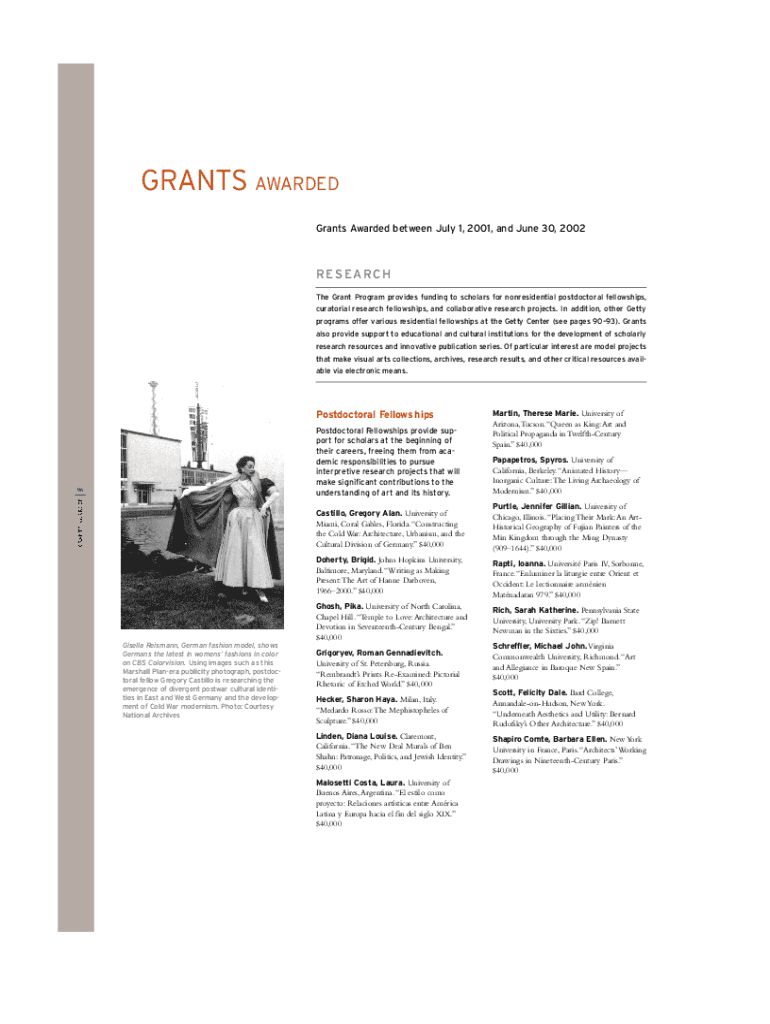
The term "Non-NIH Funding Opportunities - Grants and Fellowships" refers to financial opportunities available outside of the National Institutes of Health (NIH) for supporting various research, educational, and professional development projects. These opportunities include grants, which provide funds for specific projects, and fellowships, which typically offer support for individuals to further their education or research skills. Understanding these opportunities allows academic, scientific, and nonprofit institutions, as well as individual researchers, to seek alternative funding sources to support their innovative and impactful projects.
How to Use Non-NIH Funding Opportunities - Grants and Fellowships
Using these funding opportunities involves identifying relevant grants or fellowships that align with your research or educational goals. Begin by exploring databases or websites of organizations offering such funding. Carefully review eligibility criteria and application guidelines, ensuring that proposals meet the specific requirements outlined by the funding body. Once a suitable opportunity is found, you can prepare and submit a detailed application or proposal, highlighting how your project aligns with the goals and objectives of the funding opportunity.
Steps to Complete the Non-NIH Funding Opportunities - Grants and Fellowships
-
Research Available Opportunities: Start by researching organizations and institutions that provide non-NIH funding. Resources like the Foundation Center or professional societies in your field can be useful.
-
Evaluate Eligibility: Assess your qualifications and project details against the eligibility criteria specified by the funding source.
-
Prepare Proposal: Compile a compelling proposal or application that includes background information, project objectives, methodologies, and expected outcomes.
-
Submit Application: Follow specific submission instructions—this may involve completing an online form or mailing a paper application. Keep track of submission deadlines.
-
Follow Up: After submission, ensure any additional requests for information are promptly addressed.
Who Typically Uses the Non-NIH Funding Opportunities - Grants and Fellowships
Typical users include researchers, educators, and professionals in sectors such as healthcare, social sciences, arts, and humanities. Nonprofit organizations and educational institutions also leverage these opportunities to fund projects that do not fall within the NIH's purview. For example, an art historian looking to fund research for the conservation of historical artworks may pursue grants from entities focused on the arts and culture.

Key Elements of the Non-NIH Funding Opportunities - Grants and Fellowships
- Eligibility Criteria: Specific qualifications required to apply, such as academic background or institutional affiliation.
- Funding Amount: Details on the amount of financial support available and how it may be used.
- Application Requirements: Necessary documents and information needed to complete the application, such as a project proposal, CV, and letters of recommendation.
- Funding Period: The duration for which the financial support is intended to cover.
- Reporting Requirements: Obligations to report on project progress or outcomes during or after the funding period.
Application Process & Approval Time
The application process typically involves detailed proposal preparation, which can take several weeks to months, depending on the complexity of the project. After submission, approval timelines vary widely; it can range from a few weeks to several months. During this period, proposals may undergo thorough review processes, including evaluations by committees or panels.
Required Documents
- Project Proposal: Outlines the objectives, methods, anticipated outcomes, and significance of the project.
- Current CV or Resume: Demonstrates academic and professional qualifications.
- Budget Plan: Details expected expenses and use of funds.
- Letters of Recommendation: Provide endorsements from peers or mentors familiar with your work.
- Institutional Support Letter: Confirms that your organization supports your application and project.
Penalties for Non-Compliance
Failure to comply with the guidelines and obligations of a funded project can lead to penalties, such as the requirement to return granted funds or disqualification from future funding opportunities. Non-compliance might include not meeting reporting deadlines, misusing funds, or not achieving project milestones as initially proposed.