
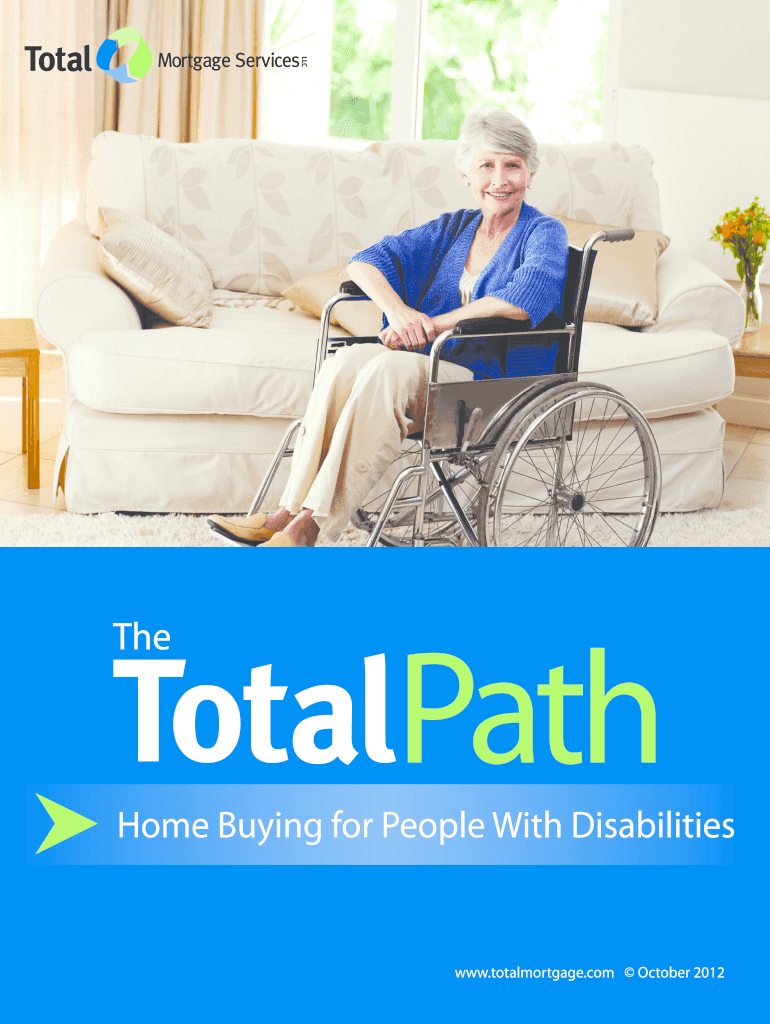







Definition and Meaning of Home Buying for People With Disabilities
"Home Buying for People With Disabilities" refers to a structured guide designed to assist individuals with disabilities in navigating the often complex process of purchasing a home. This guide typically includes essential information on understanding disability definitions, evaluating the pros and cons of homeownership, and comprehending the rights of homebuyers with disabilities. It also provides specific resources and programs tailored to assist in overcoming financial barriers and making necessary housing modifications.
Important Terms Related to Home Buying for People With Disabilities
Understanding key terminology is crucial when navigating the home buying process for individuals with disabilities. Some important terms include:
- Accessibility: This refers to the design of products and environments to be usable by people with various disabilities.
- Reasonable Accommodation: Modifications or adjustments to a home that enable disabled individuals to have equal enjoyment and use of their residence.
- Fair Housing Act: A federal act that prohibits discrimination in housing based on disability, among other factors.
- Assistive Technology: Devices or systems that enable disabled individuals to perform tasks that might otherwise be challenging.
Steps to Complete the Home Buying Process for People With Disabilities
-
Assess Needs and Preferences: Identify the specific requirements and preferences related to accessibility. Consider the need for public transportation, community resources, and neighborhood accessibility.
-
Financial Planning: Evaluate financial capacity and explore assistance programs designed to aid disabled homebuyers. Budget for additional costs such as housing modifications.
-
Explore Financing Options: Research mortgage options, focusing on those with favorable terms for individuals with disabilities, such as low down payments or reduced interest rates.
-
Search for an Accessible Home: Work with real estate professionals who are knowledgeable about accessibility features and housing options.
-
Negotiate and Purchase: Negotiate terms that include reasonable accommodations, if necessary, and complete the purchase.
-
Utilize Housing Support Resources: Take advantage of available resources to assist with modifications and adaptations post-purchase.
Eligibility Criteria for Home Buying for People With Disabilities
To qualify for programs and resources available for disabled homebuyers, several eligibility criteria typically must be met:
- Proof of Disability: Documentation from a healthcare provider affirming the disability status.
- Income Verification: Proof of stable and sufficient income to manage mortgage payments and associated costs.
- Program-Specific Requirements: Additional criteria depending on specific assistance programs, such as residency, veteran status, or income limits.


State-Specific Rules for Home Buying for People With Disabilities
Different states may have varying rules and resources regarding home buying for individuals with disabilities. Key considerations include:
- State-Specific Assistance Programs: Some states offer additional financial assistance programs beyond federal options.
- Local Housing Laws: Understanding variations in housing policies that pertain to disability rights under state law.
- Regional Accessibility Standards: Consideration of regional standards and codes that govern accessibility features in homes.
Financial Assistance Programs for Disabled Homebuyers
Several financial assistance programs exist to aid individuals with disabilities in purchasing a home:
- Section 8 Homeownership Voucher Program: Assists low-income families and individuals with disabilities in transitioning from renting to owning a home.
- FHA Loans: Offer favorable terms and lower down payment requirements for qualifying disabled homebuyers.
- USDA Loans: Provide assistance for purchasing homes in rural areas with zero down payment options for eligible individuals.
Legally Binding Rights for Disabled Homebuyers
Individuals with disabilities are protected under several laws ensuring their rights during the home buying process:
- Americans with Disabilities Act (ADA): Prevents discrimination based solely on disability.
- Fair Housing Act: Ensures access to housing without discrimination and mandates reasonable accommodations be provided.
- Rehabilitation Act: Guarantees rights related to housing when federal assistance is involved.
Examples of Successfully Implemented Home Buying for People With Disabilities
Real-world examples highlight how individuals with disabilities have successfully navigated the home buying process:
- A veteran with a disability used the Veterans Affairs’ Specially Adapted Housing grant to fund necessary modifications in a new home.
- A family used Section 8 vouchers to transition from renting to owning, incorporating accessibility features suited to their young child's mobility needs.
Digital vs. Paper Version of Home Buying Resources
Navigating home buying materials varies based on format:
- Digital Resources: Offer easy access, up-to-date information, and interactive tools for understanding home buying steps and eligibility.
- Paper Resources: Provide a tangible reference but might lack the immediate updates of digital formats and accessibility features such as screen readers for the visually impaired.
Software Compatibility with Home Buying Processes
Compatibility with software can streamline document handling and form processing associated with home buying for individuals with disabilities:
- DocHub: Facilitates the editing and electronic signing of required documents, ensuring accessibility and ease of completion.
- Financial Planning Tools: Software like QuickBooks aids in managing finances during the home buying process.
- Real Estate Platforms: Utilize digital real estate tools compatible with platforms for searching and touring homes with accessibility features.
Incorporating these structured blocks ensures comprehensive coverage for the form "Home Buying for People With Disabilities," addressing all pertinent aspects and offering a complete guide for the intended audience.




