
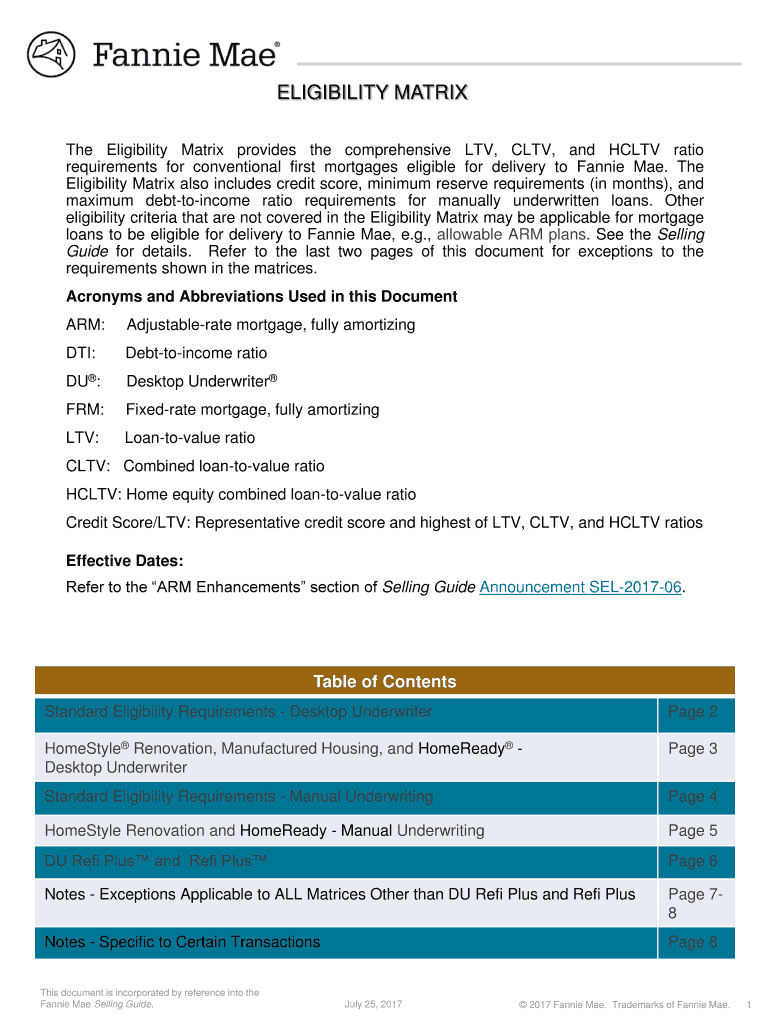







Definition and Meaning of Standard Manufactured Housing (MH) - Fannie Mae
Standard Manufactured Housing (MH) refers to prefabricated homes that follow the specific construction and installation standards set by the U.S. Department of Housing and Urban Development (HUD). Fannie Mae, a government-sponsored enterprise, provides guidelines and financing offerings for these types of properties. These homes are built on a permanent chassis and can be transported to a site for installation. They are designed to be cost-effective alternatives to traditional site-built homes, offering affordable housing options in various communities.
Construction Standards
- HUD Code Compliance: Ensures homes meet safety, design, and performance standards.
- Quality Control: Consistent manufacturing processes provide high-quality outcomes.
Financial Aspects
- Financing Options: Eligible for government-backed mortgages through Fannie Mae.
How to Use the Standard Manufactured Housing (MH) - Fannie Mae
Individuals looking to purchase a manufactured home can utilize Fannie Mae's financing programs tailored to such housing options. This involves checking whether the home is eligible under Fannie Mae's guidelines, which include aspects like construction standards and installation requirements. Buyers need to consult with approved lenders who are familiar with these criteria.
Eligibility Requirements
- Property Standards: Must comply with HUD Code and be installed on a permanent foundation.
- Lending Criteria: Factors like credit score, down payment, and debt-to-income ratio are considered.
Role of Lenders
- Program Availability: Lenders provide information and manage loan applications.
- Guideline Compliance: Verify property's adherence to Fannie Mae’s standards.
Steps to Complete the Standard Manufactured Housing (MH) - Fannie Mae
Purchasing a manufactured home with a Fannie Mae-backed mortgage involves several precise steps to ensure eligibility and compliance. This ensures a smooth process from application to closing.
Application Process
- Select a Lender: Choose from Fannie Mae-approved lenders.
- Submit Documentation: Provide financial statements, credit information, and proof of eligibility.
- Pre-approval: Receive an initial assessment of borrowing capacity.
Property Evaluation
- Inspection and Appraisal: Confirm the home's compliance with Fannie Mae's standards.
- Foundation Certification: Verify permanent foundation installation.
Legal Use of the Standard Manufactured Housing (MH) - Fannie Mae
Legal considerations in using Fannie Mae’s programs revolve around compliance with federal and state housing laws. These ensure that the manufactured homes meet all housing standards necessary for legal sale and occupation.
Federal Requirements
- HUD Compliance: All homes must meet HUD standards for manufactured housing.
- State Regulations: Conform to additional state-specific building codes.
Documentation
- Title and Deed: Legal documentation proving ownership and rights.
- Loan Agreement: Outlines terms and conditions of the mortgage.
Key Elements of the Standard Manufactured Housing (MH) - Fannie Mae
The core components of a Fannie Mae-backed manufactured housing project include both structural and financial aspects. Understanding these elements is essential for buyers and lenders alike.
Structural Components
- Design Specifications: Includes size, layout, and customization options.
- Sustainability Features: Energy-efficient designs and materials.
Financial Considerations
- Mortgage Terms: Interest rates, loan duration, and payment plans.
- Insurance Options: Coverage for structural integrity and natural hazards.
Who Typically Uses the Standard Manufactured Housing (MH) - Fannie Mae
Fannie Mae's manufactured housing programs are particularly appealing to specific demographics due to their affordability and flexibility. This includes a wide range of potential homeowners looking for cost-effective housing solutions.


Target Demographics
- First-time Homebuyers: Seeking affordable entry into homeownership.
- Retirees: Preferring low-maintenance and affordable living environments.
- Rural Populations: Access to improved housing in less densely populated areas.
Economic Benefits
- Cost Efficiency: Lower than traditional housing costs.
- Customization Potential: Options to tailor homes to personal preferences.
Important Terms Related to Standard Manufactured Housing (MH) - Fannie Mae
Understanding the terminology associated with manufactured housing and Fannie Mae's offerings is crucial for navigating the mortgage application and home purchase process.
Key Terminology
- Certificate of Title: Proof of ownership for manufactured homes.
- Permanent Chassis: The base structure allowing the home to be transported.
- Manufactured Home Loan: A specific loan type for purchasing HUD-compliant homes.
Financial Terms
- Fixed Interest Rate: A stable interest rate that remains constant throughout the loan term.
- Debt-to-Income Ratio: A metric used by lenders to measure creditworthiness and ability to repay.
State-Specific Rules for the Standard Manufactured Housing (MH) - Fannie Mae
Different states in the U.S. may have specific regulations that add to or modify the federal guidelines for manufactured housing under Fannie Mae's framework. Understanding these variations is essential for compliance and eligibility.
Regulatory Variations
- Installation Standards: States may have unique criteria for the foundation and installation practices.
- Zoning Laws: Differences in zoning could affect where manufactured homes can be placed.
Licensing Requirements
- Contractor Certification: Varies by state for those installing manufactured homes.
- Homeowner Association Guidelines: Specific to community rules and regulations.




