






Definition and Meaning of a Sales Contract
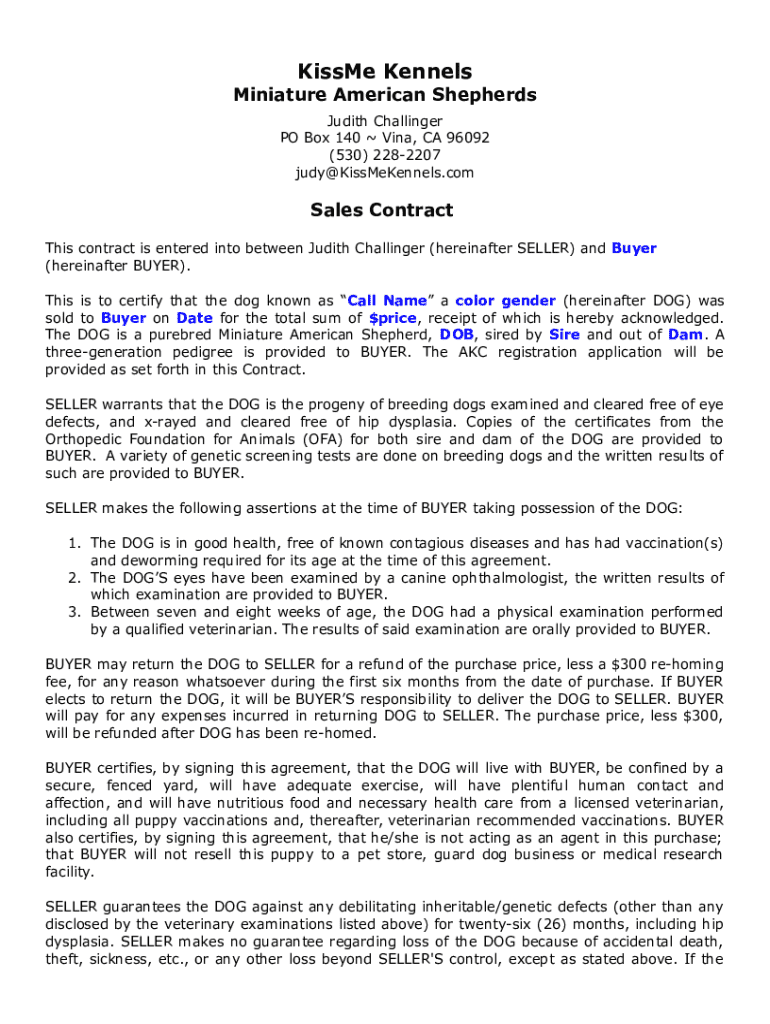
A sales contract is a legally binding agreement between a buyer and a seller that details the terms and conditions of a sale of goods. Fundamentally, this document serves to solidify the transaction between parties, providing a framework that specifies what each party needs to fulfill for the sale to proceed. The contract typically includes elements such as the description of goods being sold, price, delivery terms, payment details, and responsibilities of both the buyer and the seller. It is crucial to understand that the contract’s enforceability hinges on its clear and comprehensive detailing of these terms to prevent disputes.
Key Components of a Sales Contract
- Description of Goods: Clearly defines what is being sold, including specifications, quality, and quantity.
- Price and Payment Terms: Outlines the total cost and the agreed-upon method of payment.
- Delivery Terms: Specifies how and when the goods will be delivered to the buyer.
- Warranties and Guarantees: Details any promises regarding the condition or performance of the goods.
- Return Policy: Explains the terms under which the buyer can return goods and seek refunds or replacements.
How to Use the Sales Contract
Utilizing a sales contract involves more than just signature acceptance; it requires a thorough understanding of its terms and how they affect both parties. Each party should review the document carefully to ensure it accurately reflects their intentions and expectations. It is common for negotiations to adjust certain terms before finalizing the agreement. Once both parties are satisfied, they proceed by signing the document, which then becomes legally binding. Proper use of the contract means regularly referencing it throughout the transaction to guide decision-making and resolving disputes.
Steps for Effective Use
- Review: Both parties should read the contract thoroughly.
- Negotiate: Discuss and amend terms as necessary to ensure mutual satisfaction.
- Sign: Each party signs the document, signaling acceptance of the terms.
- File: Store a signed copy for future reference to address any potential disputes or questions.
- Monitor Compliance: Ensure all parties follow the agreed terms during the transaction.
Key Elements of the Sales Contract
Understanding the fundamental elements of a sales contract can help prevent misunderstandings and legal complications. These key elements include comprehensive details that provide clarity, reducing the potential for disputes. By specifying matters such as the responsibilities of each party and condition of goods, a contract effectively sets expectations and provides the means for accountability.
Essential Components
- Party Identification: Names and addresses of both buyer and seller.
- Detailed Product Information: Description, quality, and quantity must be explicitly stated.
- Delivery Instructions: Includes logistics, shipping method, and timelines.
- Legal Jurisdiction: Defines which state's laws will govern the contract, often crucial for interstate transactions.
- Dispute Resolution: Offers a predefined method for handling disputes, such as mediation or arbitration.
Steps to Complete the Sales Contract
Completing a sales contract requires systematic steps that ensure all essential components are addressed and agreed upon by both parties. Failure to complete these steps can lead to legal issues or voided agreements. This process emphasizes careful review and adjustments, ensuring that the final contract is the accurate reflection of both parties' responsibilities and expectations.
Process Breakdown
- Initial Drafting: Begin with a clear draft that includes all necessary elements.
- Collaborative Review: Both parties should discuss and negotiate terms.
- Final Adjustments: Make any necessary changes based on feedback.
- Legal Check: It may be beneficial to have a legal professional verify the contract's validity.
- Execution: Signatures from both parties signify consent and understanding.
Legal Use of the Sales Contract
A sales contract must adhere to relevant legal standards to be enforceable. Ensuring a sales contract meets all legal requirements protects both parties from fraudulent claims and disputes. It is vital that all parties understand these legal stipulations to uphold the contract’s validity in the event of legal scrutiny.
Legal Considerations
- Properly Signed: The contract must be signed by authorized individuals from both parties.
- Clarity and Precision: Ambiguity can render a contract void if challenged in court.
- Compliance with State Laws: The contract must comply with applicable state regulations, which may vary in specifics such as notice requirements or acceptable forms of signatures.
- Consideration: There must be a clear exchange of value; both sides must bring something of value to the agreement.
- Legally Competent Parties: Both parties must have the legal capacity to enter into the contract, meaning they are of sound mind and legal age.
Important Terms Related to Sales Contract
Understanding common terms found within a sales contract is crucial for proper interpretation and execution. These terms dictate various operational aspects of the contract and ensure both parties have shared understanding and expectations. Such terms often include industry-specific terminology that necessitates careful review.
Common Terms
- Breach of Contract: Occurs when one party fails to comply with the agreed terms.
- Force Majeure: Clause that absolves parties from liability in cases of extraordinary events beyond control.
- Indemnity: A contractual obligation of one party to compensate for losses incurred by another party.
- Default: Failure to fulfill contractual obligations.
- Escrow: Funds held by a third party until contract conditions are met, often used in large transactions for buyers' and sellers' peace of mind.
Who Typically Uses the Sales Contract
Sales contracts are utilized by a diverse range of users, highlighting their versatility and importance across different industries and types of transactions. This contract format is widely used, from private individuals to large multinational corporations, ensuring lawful exchanges of goods and services with defined commitments and protections for all parties involved.


Typical Users
- Businesses: Enterprises of all sizes involved in the sale of products or services.
- Private Individuals: Anyone partaking in significant personal purchases, like automobiles or real estate.
- Manufacturers and Suppliers: Parties involved in the distribution and purchase of goods.
- Retailers: Businesses buying products from wholesalers to sell to consumers.
- Legal and Financial Institutions: Often use sales contracts for transactions involving ownership transfers.
State-Specific Rules for the Sales Contract
Due to the variances in state laws across the U.S., sales contracts often need to be tailored to align with specific state regulations. Encompassing these legal distinctions is crucial in states where contract requirements, enforcement, and enforcement procedures deviate notably from federal norms. Ignoring such mandates may lead to the contract being unenforceable in that jurisdiction.
State-Specific Variations
- California: Emphasizes consumer protection, requiring clear disclosures and fair terms.
- New York: Necessitates written agreements for certain transactions to be enforceable under the statute of frauds.
- Texas: Permits electronic signatures and contracts, aligning with the wider U.S. adoption of e-commerce practices.
- Florida: Requires explicit stated timeframes and conditions for real estate transactions.
- Illinois: Enforces strict guidelines on warranty inclusion and representation accuracy.