




Importance of Using Forms Online
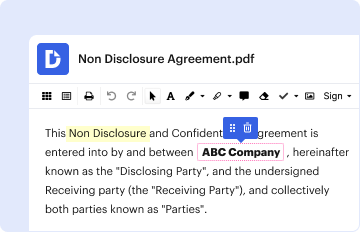
Creating and managing forms online has become an integral part of modern document management systems for businesses and individuals. The primary reason for using online forms is the ability to streamline data collection, enhance collaboration, and simplify workflows. By transitioning to digital platforms, users save time on administrative tasks and reduce the risk of errors associated with manual data entry.
- Online forms enhance accessibility, making them available from any location with internet access, eliminating the need for physical transportation.
- The automation of data collection and storage reduces the risk of misplaced or lost information.
- Customizability of forms allows for the collection of specific data tailored to the needs of an organization or individual project.
Benefits of Completing Forms Online
The digital completion of forms provides several significant advantages over traditional paper-based processes. These benefits include improved efficiency, accuracy, and convenience for both form creators and respondents.
- Online forms allow users to input data directly into a digital platform, decreasing the likelihood of handwriting errors or illegible responses.
- Instant data validation and error-checking features help ensure the accuracy and completeness of submissions.
- Automated workflows can notify relevant parties when submissions are completed, expediting processing times.
Steps to Complete a Form Online
Completing a form online involves a structured yet straightforward process, accessible to users with varying levels of technical proficiency. Follow these general steps to ensure a smooth completion process:
-
Access the Form:
- Locate the link or platform where the form is hosted.
- Ensure you have a stable internet connection to avoid disruptions during completion.
-
Provide Required Information:
- Fill in all mandatory fields, typically marked with an asterisk or highlighted in a different color.
- Use dropdown menus, checkboxes, and text fields as specified for each section.
-
Review and Validate:
- Check for any input errors or omissions that may prevent successful submission.
- Correct inaccuracies and ensure all required fields are complete.
-
Submit the Form:
- Click the submit button once all fields are accurately filled.
- You may receive a confirmation message indicating successful submission.
Legal Use and Compliance for Online Forms
The legal framework governing the use of forms online ensures that digital documents maintain the same validity as their paper counterparts. Compliance with legal standards is crucial to safeguard organizations and individuals against disputes related to unlawful data use.
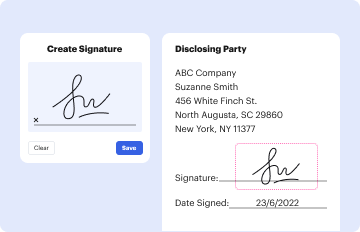
- Electronic signatures collected through online platforms are legally binding under the ESIGN Act in the United States.
- Ensure all collected data adheres to privacy regulations, such as the GDPR, if applicable.
- Confirm that your online form complies with industry-specific regulations to uphold legal standards.
Types of Forms Commonly Used Online
Various types of forms are commonly utilized in a digital context, each serving distinct purposes across different sectors. Recognizing the types of forms can help users identify the appropriate template for their specific needs.
- Registration Forms: Used for event sign-ups, school enrollments, or memberships.
- Application Forms: Employed in job applications, loan requests, or service subscriptions.
- Surveys and Feedback: Designed to collect opinions, reviews, or satisfaction ratings from clients or employees.
- Order Forms: Used for purchasing products or services, capturing customer details and payment information.
State-Specific Rules for Online Form Usage
While the use of forms online is generally standardized, state-specific regulations may dictate certain requirements. Different jurisdictions may impose laws that influence how forms are structured, distributed, and stored.
- Some states require specific disclosures to be included in online contracts or agreements.
- There may be unique retention policies for digital records, varying by state.
- Awareness of local laws can prevent potential compliance issues for businesses operating in multiple states.
Software Compatibility and Integration
Ensuring that your online forms are compatible with other software systems is crucial for seamless data integration and processing. Many platforms offer built-in capabilities to integrate with popular applications, improving workflow efficiency.
- Forms created using DocHub can integrate with Google Workspace, facilitating easy sharing and editing within familiar environments.
- Compatibility with financial software, like QuickBooks or TurboTax, can streamline tax preparation and financial reporting.
- Utilizing API connections allows for real-time data transfer between multiple applications.
Document Security and Privacy Considerations
Ensuring the security of information collected through online forms is paramount to maintain user trust and comply with data protection laws. Features designed to secure information throughout its lifecycle are critical when managing sensitive or personal data.
- Advanced encryption methods, such as 256-bit SSL, protect data transmitted between users and servers.
- Platform-specific security measures, like OAuth 2.0, secure user authentication and account access.
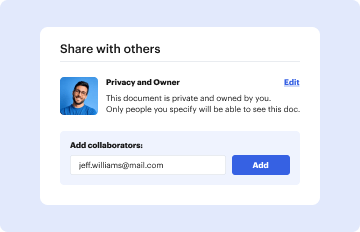
- Toggle password protection for sensitive forms to restrict access and prevent unauthorized data exposure.
Scenarios for Using Online Forms in Varied Contexts
Online forms are versatile and can be employed across a wide range of scenarios, offering customized solutions to diverse challenges in both personal and professional settings.
- Education: Streamline student registrations, grading, and feedback through customized online forms.
- Healthcare: Collect patient information, consent forms, and feedback efficiently while maintaining compliance with HIPAA standards.
- Human Resources: Utilize online forms to manage job applications, employee evaluations, and benefit selections, enhancing HR processes.
Alternatives and Improvements in Form Management
Exploring various online form platforms and management solutions can optimize how forms are created, distributed, and stored. Upgrading from traditional methods not only benefits data handling and processing efforts but also enhances collaboration and user experience.
- Evaluate the need for different platforms based on features, integration capabilities, and user interface design.
- Implement version control strategies to maintain accuracy and relevance across distributed templates.
- Continuously assess form design and feedback to identify potential improvements and enhance user engagement.