





Definition and Meaning of Online Forms
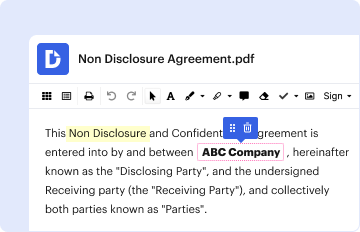
Online forms are digital versions of paper documents that individuals and organizations use to collect information, conduct transactions, or fulfill official requirements without using physical paper. They are designed to improve efficiency, minimize errors, and streamline data collection processes. These electronic forms may include various fields like text boxes, checkboxes, dropdown lists, and signature fields to guide users in providing accurate and complete information.
Case Study: Digital Transformation in Businesses
Consider a multinational corporation that previously relied on paper forms for internal surveys and client feedback. By transitioning to online forms, the company reduced its paper consumption significantly and expedited data collection by enabling real-time insights. Moreover, automated tools within the platform helped in instantaneously analyzing responses, thus speeding up decision-making processes.
How to Use Forms Online
Using forms online involves accessing a web-based platform that hosts the form, entering the required information, and submitting it through the internet. Most online forms provide user-friendly interfaces with clear instructions to facilitate a seamless completion experience. Users can often save partially completed forms to finalize later and have the option to review their information before submission.
Step-by-Step Guide to Completing a Form
- Open the web-based form from a trusted platform.
- Enter personal and relevant details in the designated fields; ensure accuracy.
- Use dropdowns and checkboxes where applicable.
- Upload any required documents if indicated.
- Review all entered information to correct any potential errors.
- Submit the completed form and, if necessary, save a copy or print for personal records.
Key Elements of Online Forms
Effective online forms are structured with key elements that ensure accuracy and completeness. These elements often include mandatory fields, conditional logic that reveals or hides questions based on previous answers, and validation checks that prevent incorrect data submissions.
Important Form Features
- Mandatory Fields: Ensures users fill out essential information.
- Conditional Logic: Guides users by showing questions based on previous inputs.
- Automatic Validation: Alerts users about data format errors instantly.
- Security Features: Employs encryption and authentication to protect data integrity.
Legal Use of Forms Online
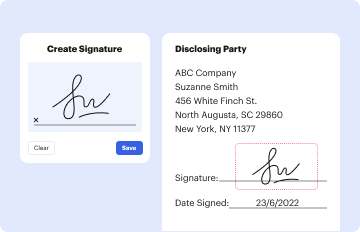
Online forms are legally recognized tools for conducting business, legal, and administrative processes. The digital signatures collected through these forms comply with legislation such as the Electronic Signatures in Global and National Commerce (ESIGN) Act. This ensures that electronically signed documents have the same legal weight as those signed in ink.
Practical Application: Securing Contracts
A real estate firm uses online forms for contract negotiations. By utilizing digital signatures, they ensure contracts are signed swiftly and securely, keeping in line with legal standards while saving time for both parties involved.
Required Documents for Online Forms
When submitting online forms, specific documentation may be mandatory depending on the form’s purpose. This can include identification, financial records, proof of residency, or any other document pertinent to the form’s requirements.
Example Requirements
- Identity Verification: Driver's license or passport for identity confirmation.
- Financial Information: Income statements or tax returns for financial forms.
- Legal Documents: Contracts or affidavits for legal proceedings.
Who Typically Uses Online Forms
A broad spectrum of individuals and organizations leverage online forms to fulfill various needs. From individuals filing taxes or applying for permits to businesses collecting customer data, online forms cater to diverse requirements across different sectors.
Real-World Users
- Individuals: For tasks like tax return filing or job applications.
- Businesses: For customer feedback, transactions, or regulatory compliance.
- Government Agencies: For census data, applications, and public service delivery.
Benefits of Using Forms Online
The primary advantages of using online forms include enhanced accessibility, reduced turnaround times, and improved accuracy. They eradicate geographical barriers, allowing users to access and submit forms from anywhere, at any time.
Notable Benefits
- Efficiency: Faster processing times and automated data handling.
- Accuracy: Reduction in manual errors through real-time validation mechanisms.
- Convenience: Ease of use and accessibility on various digital devices.
Software Compatibility with Online Forms
Online forms are designed to work across multiple platforms and are often compatible with various software systems like TurboTax or QuickBooks, assisting users in importing and exporting data seamlessly.
Integration Capabilities
- Tax Software: Sync with tax preparation platforms for direct data import.
- Accounting Tools: Align with accounting software for streamlined financial reporting.
- Cloud Storage: Effortlessly save completed forms to services like Google Drive or Dropbox.