





Definition and Meaning of Online Forms
Online forms are digital versions of traditional paper forms that allow users to input their data electronically. They streamline the data collection process by enabling users to fill out and submit information directly through the internet. These forms can range from simple contact forms to complex multi-page applications. By converting forms into a digital format, organizations can improve efficiency, minimize paperwork, and reduce the likelihood of human error during data entry.
Advantages of Online Forms
- Efficiency: Online forms can be completed and submitted much faster than paper forms.
- Data Accuracy: Minimizing manual entry reduces errors.
- Instant Submission: Information is collected in real-time and can be integrated into databases immediately.
- Accessibility: Users can fill out their forms from any location with internet access.
How to Use Online Forms Effectively
Using online forms effectively involves understanding the form's purpose and how to interact with it efficiently. Whether for business, education, or government purposes, users should follow these general steps:
- Identify the Purpose: Understand why the form is needed and what information is being requested.
- Gather Necessary Information: Before starting, collect all required details, which might include personal data, identification numbers, or supporting documents.
- Interact with the Form: Enter the information carefully, verify fields for accuracy, and make use of any guides or help tooltips provided alongside the form.
- Submit and Confirm: After completing the form, submit it and look for a confirmation message or email to ensure it has been successfully received.
Steps to Create and Submit Online Forms
- Select or Create the Form: Choose an existing template or begin a new form for your requirements.
- Add Necessary Fields: Include all the fields where users will input their data, such as text boxes and dropdown menus.
- Customize the Form: Adjust the design to suit your organization’s branding and ensure it is user-friendly.
- Deploy the Form: Share the form link with your audience, embed it on your website, or distribute it via email.
- Collect and Analyze Data: Use the software's analytics tools to track submissions and extract insights from the collected data.
Steps to Complete an Online Form
For many online forms, there is a straightforward process to ensure that all necessary information is captured correctly and efficiently:
- Begin by Accessing the Form: Open the form through the provided link or directly from the website.
- Fill in Personal Information: Start with basic identifying information such as name, email address, and phone number.
- Provide Requested Data: Complete the sections that require specific information related to the form's purpose, such as employment history or financial details.
- Upload Supporting Documents: Attach any required files or documents that must accompany the form submission.
- Review and Submit: Double-check each section for accuracy, then submit the form electronically.
Common Problems and Solutions
- Technical Issues: Ensure your internet connection is stable and compatible with the software.
- Missing Data: Verify all required fields are complete to avoid submission errors.
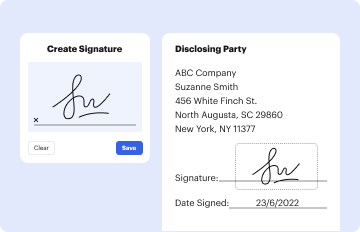
- Digital Signatures: Use tools like DocHub to electronically sign forms.
Key Elements of Online Forms
Several essential components contribute to the functionality and effectiveness of online forms:
- User-Friendly Interface: Simplified navigation and clear instructions make forms accessible to all users.
- Adaptive Design: Compatibility with multiple devices and screen sizes ensures wide accessibility.
- Data Validation: Instant feedback on inaccurate or incomplete fields promotes accurate data entry.
- Security Protocols: Features such as SSL encryption and data compliance standards protect user information.
Examples of Using Online Forms in Different Scenarios
Numerous sectors benefit from utilizing online forms, each with unique requirements and implementations:
- Educational Institutions: Enrollment applications and feedback forms for student assessments.
- Healthcare Services: Patient intake forms and appointment scheduling.
- Government Agencies: Tax forms, license applications, and public service requests.
- Businesses: Customer service inquiries, registration forms, and digital contracts.
Security and Legal Use of Online Forms
Security is paramount with online forms, especially when handling sensitive information. Compliance with legal standards such as the Electronic Signatures in Global and National Commerce Act (ESIGN) ensures that e-signatures and electronic forms are legally binding. This compliance is essential for maintaining trust and upholding the integrity of data collected.
Security Features
- Data Encryption: Protects information during transmission and storage.
- Authentication Mechanisms: Validates user identity before form access.
- Audit Trails: Tracks document history and interaction for accountability and transparency.
Form Submission Methods: Online, Mail, and In-Person
Different methods of form submission provide flexibility and cater to varying user needs:
Online Submission
- Instantaneous: Direct submission to the organization's system.
- Verification: Immediate confirmation of successful submission.
Mail Submission
- Physical Documentation: Useful for those without consistent internet access.
- Tracking: Postal services offer tracking options for mailed forms.
In-Person Submission
- Face-to-Face Interaction: Provides opportunities to ask questions and receive immediate feedback.
- Verification: Immediate acknowledgment and processing by the receiving party.