







Definition and Meaning of C O M M E N TA R Y
The term "C O M M E N TA R Y" refers to a document or form utilized for capturing additional insights, notes, or explanations related to a primary document or subject. In many contexts, commentary forms are used to provide context, clarification, and expert opinions that aid in enhancing the understanding of the main content. Examples include financial commentaries, legal analysis, and editorial notes, each serving to highlight or explain different aspects of the main document.
How to Use the C O M M E N TA R Y
Using the C O M M E N TA R Y involves a series of strategic steps to ensure that the insights provided are relevant and valuable. The users should first familiarize themselves with the main content, identifying areas that require further explanation or emphasis. Once these areas are identified, they can draft comprehensive notes or explanations that offer additional clarity. The commentary should be structured logically, ensuring that each point aligns with the corresponding section of the main document.
Steps to Complete the C O M M E N TA R Y
- Review the Core Material: Start by reviewing the primary document to understand its core message and structure.
- Identify Key Sections for Commentary: Highlight areas that may require further context or clarification.
- Draft Initial Notes: Write initial notes around the highlighted sections. Focus on providing explanations, insights, or relevant examples.
- Organize the Commentary: Align the notes with the sections of the main document for easy reference.
- Revise for Clarity: Ensure that the commentary is clear, concise, and free of jargon unless necessary for technical accuracy.
- Finalize and Integrate: Incorporate the commentary into the main document as footnotes, sidebars, or separate sections.
Who Typically Uses the C O M M E N TA R Y
The commentary form is primarily used by professionals and experts across various fields:
- Financial Analysts use it to provide insights and forecasts in investment documents.
- Legal Professionals utilize it to interpret and explain legal texts or contracts.
- Editors and Academics use commentary to provide critical analyses of texts or articles.

Important Terms Related to C O M M E N TA R Y
- Annotation: A note that explains or comments on a part of a text.
- Exegesis: Detailed explanation or interpretation, typically used in a critical or scholarly context.
- Footnote: Additional information or reference provided at the bottom of a page in a document.
Key Elements of the C O M M E N TA R Y
A well-structured commentary will include:
- Insightful Analysis: Providing deep insights into complex issues addressed.
- Clarification of Concepts: Explaining abstruse terms or theories for the reader’s better understanding.
- Relevant Examples: Using real-world scenarios to illustrate points effectively.
- Consistent Structure: Maintaining a clear and logical flow throughout the commentary.
Examples of Using the C O M M E N TA R Y
- Financial Reports: Analysts may offer commentaries on quarterly earnings, discussing past performance and future forecasts.
- Legal Interpretation: Lawyers may provide annotations on legislative texts to clarify legal terminologies or implications.
- Editorial Comments: Editors might include commentaries in academic journals to critique research methodologies or conclusions.
State-Specific Rules for the C O M M E N TA R Y
The application of commentary may vary based on state-specific regulations. For legal documents, jurisdiction rules may dictate the inclusion of particular explanations or disclaimers. Financial commentaries may require adherence to specific reporting standards dictated by state law. It's crucial for users to be aware of these regional differences to ensure that their commentaries are compliant and actionable.
Software Compatibility and Tools
Commentaries can be crafted and edited using various digital tools and platforms:
- Microsoft Word and Google Docs offer robust annotation and commenting features essential for drafting commentaries.
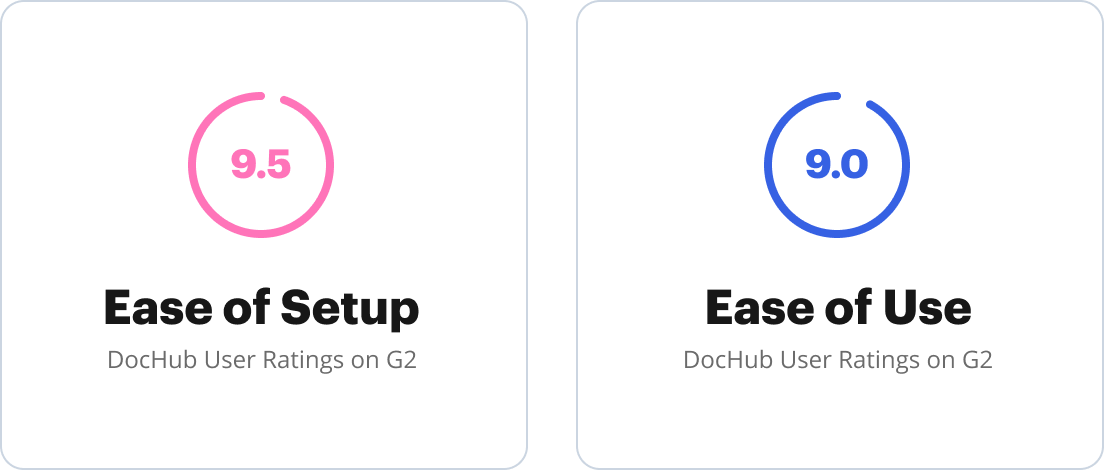
- Platforms like DocHub provide integrated functionalities for annotating PDFs and collaborating with others in real time, ensuring that the commentary process is streamlined and efficient.
These tools help facilitate the seamless integration of commentaries into primary documents, allowing professionals to focus on content quality and accuracy.




