




Definition & Meaning
The term "Underwriting Borrowers with a Prior Preforeclosure Sale or Deed-in-Lieu of Foreclosure" refers to the process used by lenders to assess the eligibility of individuals seeking a new mortgage after experiencing significant financial distress, such as a short sale or deed-in-lieu of foreclosure. Underwriting is the evaluation mechanism to ensure borrowers meet specific criteria and pose a manageable risk to lenders.
Key Aspects of Preforeclosure Events
- Preforeclosure Sale: Also known as a short sale, it occurs when a borrower sells their property for less than the outstanding mortgage balance.
- Deed-in-Lieu of Foreclosure: This is when a borrower voluntarily transfers property ownership to the lender as an alternative to formal foreclosure proceedings.
These actions significantly affect a borrower's credit score, impacting their future borrowing capabilities.
Eligibility Criteria
Lenders often impose specific eligibility criteria for borrowers seeking new loans after such preforeclosure events. This includes evaluating financial recovery and reassessment of creditworthiness. Borrowers usually need to show improvement in financial stability and adherence to waiting periods before qualifying for new mortgages.


Financial Stability Indicators
- Income Verification: Consistent and verifiable income over a designated period post-event.
- Debt-to-Income Ratio: A manageable ratio that does not exceed lending guidelines.
- Credit Improvement: Demonstrated efforts in re-establishing credit scores through timely payments and reducing outstanding debts.
How to Obtain the Form
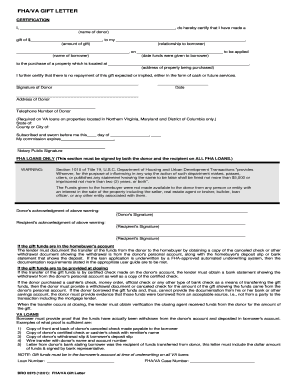
To begin underwriting, financial institutions often require specific forms and documentation. For borrowers with a history of preforeclosure or deed-in-lieu of foreclosure, obtaining the appropriate forms is essential to streamline the process.
Methods to Obtain Forms
- Contact Lender: Directly reach out to your lender for the necessary forms and instructions.
- Visit Financial Institutions: Many banks and credit unions provide documents in person.
- Online Platforms: Downloadable forms available on financial institution websites for convenience.
Borrowers should ensure that all forms are the latest versions and that any supplementary documentation is readily available.
Steps to Complete the Form
Completing the underwriting form involves several crucial steps to ensure accuracy and compliance. It is important to follow the specified format and provide all required information to avoid delays.
Detailed Instructions
- Personal Information: Enter accurate details including name, address, and Social Security number.
- Financial History: Document prior preforeclosure or deed-in-lieu details, including dates and circumstances.
- Income Documentation: Attach recent pay stubs, tax returns, and other income proofs.
- Asset Declaration: List current assets, including savings and property.
Each section requires careful attention to ensure the lending institution receives a complete picture of the borrower's current financial status.
Why Underwriting is Essential
Underwriting is vital for both lenders and borrowers. It helps assess risk and determine the most appropriate lending structure for borrowers who have undergone financial distress in the past.
Importance for Borrowers and Lenders
- Risk Mitigation: Assists lenders in managing potential lending risks.
- Borrower Safety: Ensures borrowers are not overextending financially.
- Better Loan Terms: Successful underwriting can lead to better interest rates and loan terms for the borrower.
Key Elements of the Form
The form used in underwriting borrowers post-preforeclosure sale or deed-in-lieu of foreclosure typically contains several key sections. Each element serves a specific purpose in determining borrower eligibility.
Important Sections
- Credit History: Overview of current credit score and historical data.
- Preforeclosure Details: Comprehensive account of previous preforeclosure events, including approval documentation and resolution.
- Debt Obligations: Full accounting of outstanding loans and repayment terms.
Understanding these elements helps borrowers prepare the necessary documentation for underwriting efficiently.
Legal Use of the Form
This form is a legally binding document that requires accuracy and honesty in all reported data. Misrepresentation can lead to serious consequences for both the borrower and lender.
Consequences of Errors or Omissions
- Legal Repercussions: False information may lead to penalties or legal action.
- Loan Denial: Inaccuracies can result in rejection of the loan application.
- Future Implications: Misrepresentation can affect future borrowing eligibility and lender trust.
Borrowers should consult legal or financial advisors when completing these forms to ensure full compliance.
Examples of Using the Form
Various scenarios illustrate how this form is used in practice. Understanding these can aid borrowers in anticipating the type of information lenders may seek.
Common Scenarios
- Post-Event Financial Recovery: A borrower demonstrates consistent income and improved credit, enabling favorable loan review.
- Joint Applications: Couples with different financial standings may use the form to lend context to their current financial health.
These examples highlight the practical applications of the underwriting process for borrowers looking to rebuild after financial setbacks.