






Definition and Meaning
The term "Unprecedented Events Unprecedented Response," although not explicitly defined as a form, generally refers to the extraordinary measures and actions taken in reaction to unusual or extreme situations. Such scenarios may include natural disasters, like hurricanes or earthquakes, and human-made crises, such as terrorist attacks or pandemics. These events call for adaptive and innovative responses from organizations, governments, and communities to effectively manage the unique challenges presented.
How to Use the Concept
In practice, understanding "Unprecedented Events Unprecedented Response" means being prepared to implement flexible and creative strategies when standard procedures may not suffice. This involves:
- Developing contingency plans tailored to potential catastrophic events.
- Training personnel to respond quickly and effectively under pressure.
- Utilizing technology to coordinate communication and data sharing among relevant parties.
- Engaging with local and national resources for support and collaboration.
Such approaches ensure that when faced with unexpected events, organizations can maintain operational continuity and protect both their workforce and stakeholders.
Importance of Unprecedented Responses
Crafting unprecedented responses is critical for minimizing damage and facilitating recovery during extraordinary events. It ensures:
- Rapid assessment and deployment of resources to where they are most needed.
- Efficient coordination between rescue teams, volunteers, and agencies.
- Protection of vital infrastructure and services to support ongoing operations.
- Providing immediate assistance to affected individuals, boosting community resilience.
The significance of these responses lies in their ability to mitigate adverse impacts, safeguard lives, and restore normalcy as swiftly as possible.
Who Typically Uses This Concept
The entities most likely to utilize the "Unprecedented Events Unprecedented Response" approach include:
- Government agencies responsible for public safety and crisis management.
- Non-governmental organizations (NGOs) involved in humanitarian aid.
- Private sector companies whose operations may be disrupted by unforeseen events.
- Educational institutions conducting research on disaster management and response.
Each entity may have specialized roles but shares the common goal of reducing risks and ensuring safety amid crises.
Key Elements of Effective Responses
Developing an effective response to unprecedented events involves several critical elements:
- Leadership and Decision-Making: Agile leadership capable of quick, decisive action.
- Communication Plans: Clear communication protocols to disseminate information promptly.
- Resource Allocation: Strategic distribution of resources to maximize impact and efficiency.
- Community Engagement: Involving local populations in relief efforts to tap into on-the-ground insights and boost morale.
- Continuous Evaluation: Ongoing assessment of response strategies for real-time adjustments.
Incorporating these components into preparedness plans enhances an organization's ability to handle unexpected challenges.
Examples of Unprecedented Responses
Historical examples of unprecedented responses provide valuable insights:
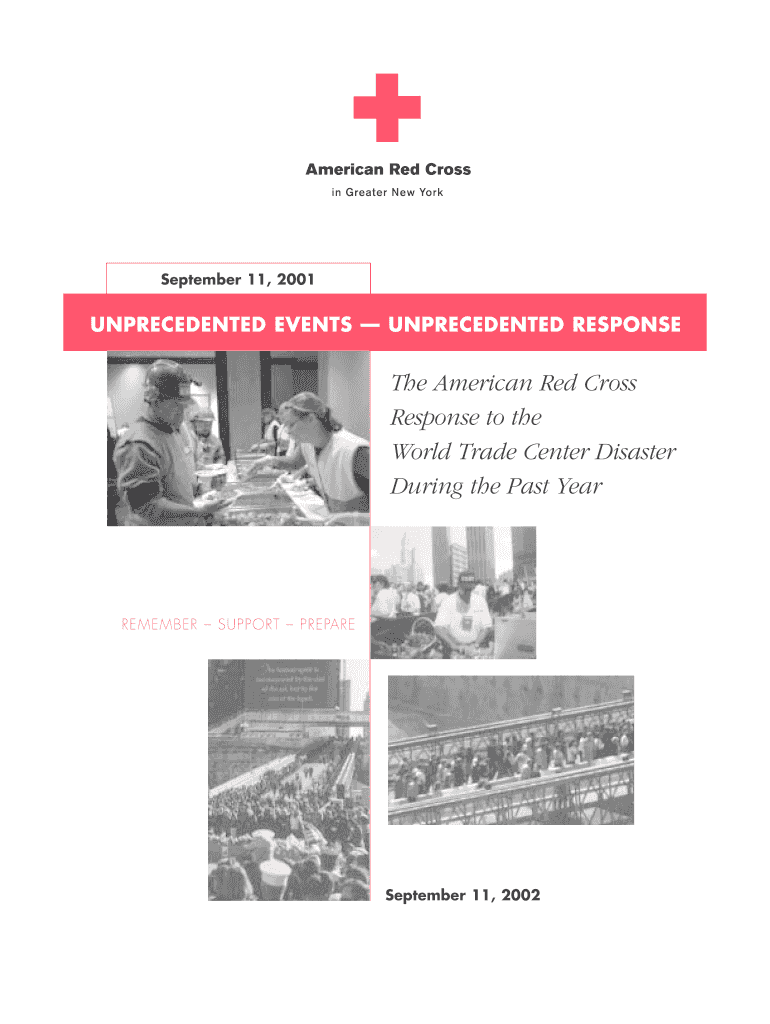
- The September 11, 2001 Attacks: The American Red Cross's establishment of the Liberty Disaster Relief Fund, raising over $1 billion and offering diverse support programs.
- COVID-19 Pandemic: Health systems rapidly developing testing and vaccination infrastructure worldwide.
- Hurricane Katrina: Coordinated rescue operations and reconstruction efforts across federal and local agencies.
Such instances illustrate the varied and adaptive strategies employed to address complex crises effectively.
Legal Aspects and Considerations
Legal frameworks play an essential role in guiding responses to unprecedented events:
- Emergency Powers: Governments may invoke special powers to manage resources and enact temporary regulations.
- Liability Protections: Laws may shield responders and volunteers from legal repercussions when aiding during disasters.
- Compliance Requirements: Ensuring adherence to local, state, and federal disaster management regulations.
Understanding these legal facets assists organizations in navigating their responsibilities and rights during crises without incurring liabilities.
Digital vs. Paper-Based Response Tools
In modern crisis management, digital tools provide distinct advantages over traditional paper-based methods:
- Speed and Efficiency: Digital platforms enable quicker communication and data processing.
- Real-Time Updates: Information can be continuously updated and accessed remotely by various stakeholders.
- Scalability: Digital tools can handle large volumes of data necessary for comprehensive crisis management.
Despite these benefits, organizations should also maintain backup paper-based systems to ensure redundancy in case of technological failures.