Definition and Meaning of "Life, Health"
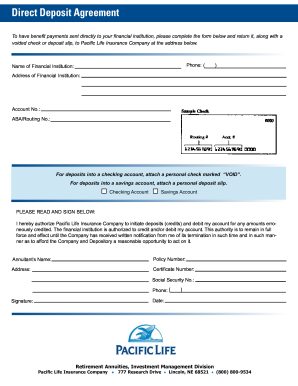
The term "Life, Health" refers to both life and health insurance forms, which are used to document, apply for, and manage aspects of these insurance types. Life insurance provides financial protection to beneficiaries upon the policyholder's death, whereas health insurance offers coverage for medical expenses incurred by the policyholder. The forms involved in "Life, Health" are essential for managing and administering these insurance policies. They help ensure policyholders receive the intended benefits and adhere to the necessary legal and procedural standards.
How to Use the "Life, Health" Forms
Using "Life, Health" forms often involves multiple steps to ensure accuracy in submission and compliance with relevant regulations. First, identify the purpose of your form, whether it's an application, claim, or policy update. Typically, forms require personal information such as full name, address, and social security number, as well as detailed health or beneficiary data. Once filled, the forms can be submitted through various methods depending on the insurer's process, often including online submission, mail, or direct in-office delivery. Make sure to follow the instructions on each form to avoid delays or rejections.
Steps to Complete "Life, Health" Forms
-
Gather Necessary Information:
- Personal identification details (name, contact information)
- Policy number and details specific to life or health coverage
- Beneficiary details for life insurance or health history for health insurance
-
Fill Out the Form:
- Follow the detailed guidelines provided with the form
- Ensure precision in filling mandatory fields to prevent errors
-
Review and Verify Information:
- Double-check all entries for accuracy and completeness
- Correct any mismatches or omissions promptly
-
Submission:
- Submit via online portals, if available, for fast processing
- If submitting physically, ensure the form is neatly filled without errors or corrections
-
Confirmation and Follow-up:
- Keep a copy of your completed form for personal records
- Follow up with the insurance provider to confirm receipt and processing status
Important Terms Related to "Life, Health"
Understanding the terminology used in these forms is crucial:
- Beneficiary: Person or entity entitled to receive life insurance proceeds.
- Premium: Regular payment required to keep the insurance policy active.
- Deductible: Out-of-pocket cost before health insurance coverage begins.
- Policyholder: Individual who owns the life or health insurance policy.
- Claims: Requests for coverage or benefits under the terms of the insurance policy.
Legal Use of "Life, Health" Forms
"Life, Health" forms have legal implications, serving as evidence of agreement between the insurer and policyholder. Adhering to legal guidelines while completing these forms ensures valid protection of rights and access to benefits. These forms may need to comply with the Health Insurance Portability and Accountability Act (HIPAA) for privacy in health information, and life insurance forms must adhere to state regulations ensuring proper beneficiary listings and premium payments.
Key Elements of the "Life, Health" Forms
These insurance forms contain critical components that determine the benefits and responsibilities of each party involved:
- Policy Identification: Unique identifier for the insurance policy.
- Coverage Details: Specifics about life or health coverage, including limits and exclusions.
- Beneficiary Assignments: Clearly defined allocations for life insurance benefits.
- Signature and Date: Policyholder's acknowledgment of terms and conditions.
- Employer Information (if applicable): Employer-provided details for group insurance policies.
Examples of Using "Life, Health" Forms
- Life Insurance Application: Used when applying for a new life insurance policy to detail coverage preferences and beneficiary designations.
- Health Insurance Claim: Filed when seeking reimbursement or coverage for medical expenses under health insurance.
- Policy Update Form: Utilized for modifications such as changing beneficiary details or updating contact information.
Required Documents for "Life, Health" Forms
Completing these forms often requires additional documentation:
- Proof of Identity: Government-issued ID or social security number.
- Medical Records (for health insurance): Relevant medical history or physician statements.
- Policy Documents: Existing policy information for updates or changes.
- Beneficiary Identification: Legal documentation proving the identity of listed beneficiaries.
Digital vs. Paper Versions of "Life, Health" Forms
Many insurers provide both digital and traditional paper versions. Digital forms offer convenience through online submission and immediate processing, while paper versions may be preferred by those needing a physical document trail or lacking internet access. Digital formats often feature autofill sections and reduce errors through automated checks, but paper versions serve as a fail-safe in digital unavailability.