




01. Edit your satra towing online
Type text, add images, blackout confidential details, add comments, highlights and more.

Type text, add images, blackout confidential details, add comments, highlights and more.

Draw your signature, type it, upload its image, or use your mobile device as a signature pad.

Send satra registration via email, link, or fax. You can also download it, export it or print it out.
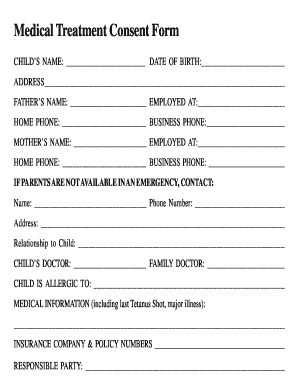
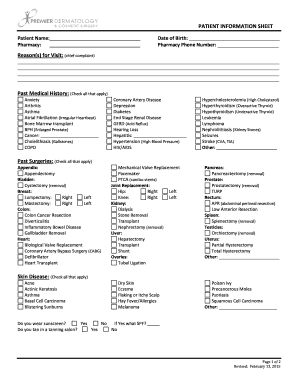
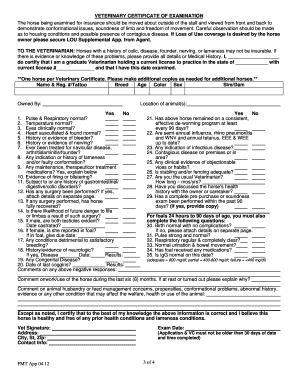
A membership form is a standardized document used to collect essential information from individuals or entities seeking membership in an organization. This form serves as an application tool that allows organizations to gather necessary data, such as personal identification, contact details, payment information, and areas of interest or expertise. It ensures that members receive the appropriate benefits and communications from the organization.
Membership forms play a critical role in streamlining the onboarding process for new members, providing a structured approach to ensure all required information is captured accurately. They are often used by various types of organizations, including professional associations, clubs, trade groups, and non-profits, to maintain organized records and manage membership-related transactions.
Utilizing a membership form involves several steps that both the applicant and the organization must follow meticulously. For the applicant, the first step is to obtain the form through the organization's official website or by visiting their physical office. Once accessed, the form should be read thoroughly to understand the required information and any attached terms or conditions.
Applicants should complete each section of the form with accurate details, ensuring that contact information, preferences, and payment details are correctly entered. For fields requiring additional documentation, such as identity verification papers or professional certifications, applicants need to prepare the relevant documents for submission. After filling out the form, it can be submitted through designated methods, which may include online submission, email, or postal mail, according to the organization's instructions.
Membership forms are often made readily available through various channels to facilitate easy access for potential members. The most common method is via the organization's website; users can download and print the form or fill it out electronically. Some organizations provide a direct link to the form in their membership section, ensuring prospective members can easily locate and complete it.
For organizations without online availability, physical copies of the form can typically be obtained at their office or at events where membership recruitment is conducted. When acquiring the form, it's essential to check for any additional materials or guidelines provided by the organization, which may outline submission procedures and membership criteria.
The membership form typically includes several key sections designed to capture comprehensive information about the applicant:
Membership forms hold legal significance as they represent a formal agreement between the member and the organization. For the organization, they are used to comply with legal requirements concerning data protection and consent. Members should be aware that by submitting the form, they often enter a legally binding agreement that establishes rights and obligations, including adherence to the organization’s bylaws and payment of membership fees.
The legal framework surrounding membership forms often varies by organization and jurisdiction, highlighting the importance of reading all terms and ensuring compliance. Organizations typically maintain a privacy policy that outlines how member data will be protected and used, aligning with laws such as the General Data Protection Regulation (GDPR) or the California Consumer Privacy Act (CCPA).
Membership forms are widely used by a range of organizations seeking to formalize the relationship with their members. Typical users include:


Understanding the common terms associated with membership forms is crucial for both the applicant and the organization:
Membership forms are tailored to fit various organizational needs, serving diverse purposes beyond simple data collection. For instance, a professional association may use membership forms to gather detailed career histories, thus aiding in specialized networking events or certification processes. In another scenario, a hobby club could utilize the form to collect members' interests, ensuring that club activities align with members' preferences.
For organizations focused on charity or non-profit work, membership forms often include sections for volunteer options or donation pledges, allowing the organization to efficiently manage its resources and plan community outreach initiatives effectively. These examples illustrate the flexibility and utility of membership forms in accommodating a wide range of organizational goals and member expectations.
We've got more versions of the satra towing form. Select the right satra towing version from the list and start editing it straight away!
| Versions | Form popularity | Fillable & printable |
|---|---|---|
| 2009 | 4 Satisfied (50 Votes) |
At DocHub, your data security is our priority. We follow HIPAA, SOC2, GDPR, and other standards, so you can work on your documents with confidence.


Jun 13, 2025 An application for the exclusive shop, the Tenshodo. Take it to the headquarters to become a member. Used In Quest(s):. Tenshodo Membership.Read more
Accept new members with our membership application template. Collect and keep track of member info and accept payments online securely. Free trial!
Membership Form Business / Individual Name Your Email Mailing Address Street Address (if Different from Above).


