






Definition & Meaning
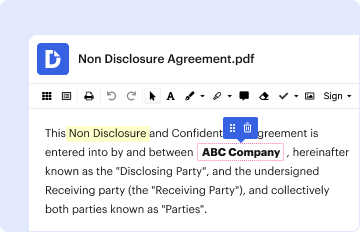
Online forms are digital equivalents of paper forms that allow individuals or organizations to collect and process information efficiently over the internet. They can serve varying purposes, such as data collection, application submissions, or gathering feedback. Online forms are designed for ease of use and accessibility, requiring users to fill out fields directly on their device, with submissions being processed electronically. This definition encompasses a wide range of applications, from simple contact forms on a website to complex government or business applications.
Steps to Complete the Form Online
Completing a form online typically involves several straightforward steps:
-
Access the Form: Visit the designated website or platform where the form is hosted. This might be a governmental portal, a business website, or an online document editing service.
-
Review Instructions: Before filling out the form, carefully read any accompanying instructions or guidelines. This ensures you understand what information is required and any special instructions for submission.
-
Fill in Required Fields: Enter your data into the form fields. Mandatory fields might be marked with an asterisk (*) or highlighted in a different color. Common field types include text boxes, checkboxes, radio buttons, and dropdowns.
-
Attach Required Documents: Some forms require supporting documents. Ensure you upload all necessary files in the specified formats, such as PDF or JPEG.
-
Validate Your Entries: Review your inputs for accuracy and completeness. Some platforms provide real-time validation to help correct errors immediately.
-
Submit the Form: Once completed, click the submit button. Some forms may provide a confirmation message or email to acknowledge receipt.
-
Save Confirmation: After submission, save any confirmation number or email for your records, as proof of submission or for follow-up.
Legal Use of the Form Online
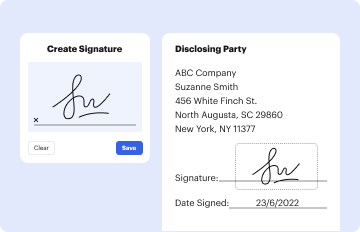
The legal use of online forms involves adherence to specific standards and regulations, especially when collecting personal data. Online forms must comply with privacy laws such as the General Data Protection Regulation (GDPR) or the California Consumer Privacy Act (CCPA) when applicable. These laws require transparency about data usage and necessitate secure processing and storage methods to protect personal information. Entities using online forms for legal contracts should ensure that electronic signatures are valid under the ESIGN Act or equivalent legislation.
Key Elements of the Form Online
Creating a comprehensive online form involves incorporating several key elements:
- User-Friendly Design: Forms should be intuitive, with a clean layout that guides users effortlessly from one section to the next.
- Responsive Fields: Fields should adapt to different inputs, such as automatically formatting phone numbers or dates.
- Accessibility Features: Include features like screen reader compatibility and keyboard navigation to make forms usable for individuals with disabilities.
- Conditional Logic: This allows users to see only the questions relevant to them based on their previous answers, simplifying the form-filling process.
- Security Measures: Implement SSL encryption and secure form hosting to protect user data.
- Save and Resume Options: Allow users to save their progress and complete the form at their convenience.
Examples of Using the Form Online
Real-world use cases of online forms abound:
- Job Applications: Companies may use online forms to gather applicant information efficiently, often integrating with HR software for streamlined processing.
- Tax Filings: Platforms like the IRS e-file system enable taxpayers to submit their income tax returns online.
- Patient Intake Forms: Healthcare providers often use online forms to obtain patient details before appointments, reducing wait times and data entry errors.
- Surveys and Feedback: Businesses utilize forms to capture customer feedback through post-purchase surveys or product reviews.
Digital vs. Paper Version
Online forms offer several advantages over their paper counterparts:
- Convenience: Users can complete digital forms anywhere, anytime, as long as they have internet access.
- Speed: Processing is faster with digital submissions, as there’s no need to manually enter data from physical forms.
- Cost-Effectiveness: Reduces the need for printing and mailing, saving resources and expenses.
- Environmental Impact: Digital forms contribute to less paper waste, supporting sustainability efforts.
- Real-Time Updates: Digital forms can be updated instantly to reflect changes in regulations or form requirements.
Software Compatibility
Online forms should integrate seamlessly with commonly used applications, such as:
- Google Workspace: Many online form services integrate with Google Drive and Gmail, allowing users to import and export data smoothly.
- Accounting Software: Platforms like TurboTax and QuickBooks support forms required for tax purposes, facilitating file uploads and calculations.
- CRM Systems: Forms integrated with CRM software can automatically populate customer databases, improving client management.
- Document Management Services: Services like DocHub allow for comprehensive editing and distribution of online forms.
Application Process & Approval Time
The application process for completing an online form can vary depending on its purpose:
-
Identify Requirements: Know what information and documents you’ll need before starting.
-
Complete the Form: Follow the steps outlined to ensure all necessary information is accurately entered.
-
Submit Documentation: Attach any required documentation as specified.
-
Await Confirmation: After submission, most forms provide a confirmation message or email.
-
Approval Timeframe: This can vary significantly — some processes are automated, offering instant approval, while others may take days or weeks for review and approval, depending on the form's complexity and organizational requirements.
Understanding the process ensures efficient use of time and resources in dealing with any digital form.